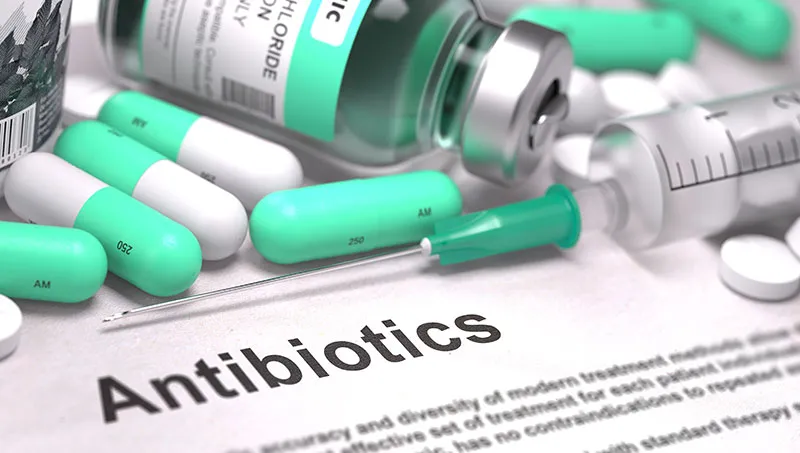
Overusing antibiotics disrupts the balance of oral bacteria, weakening the microbiome that protects teeth and gums and contributing to resistant infections.
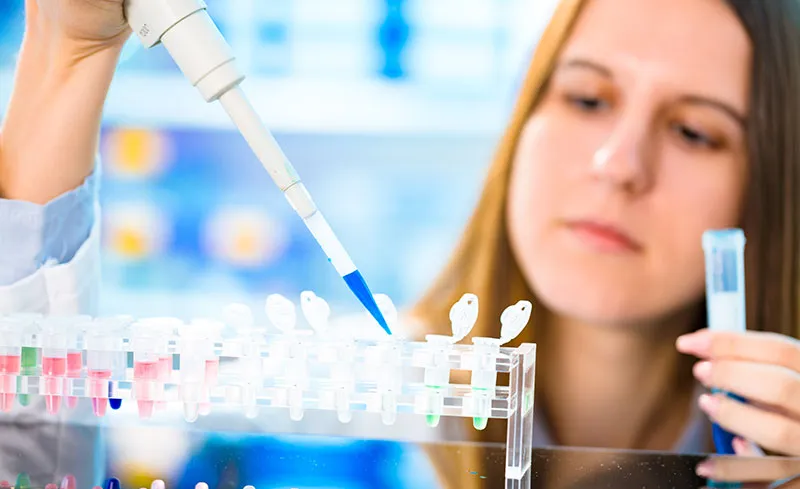
A University of Pennsylvania trial used stem cells from baby teeth to regenerate pulp in injured children's teeth, restoring sensation and tooth function.
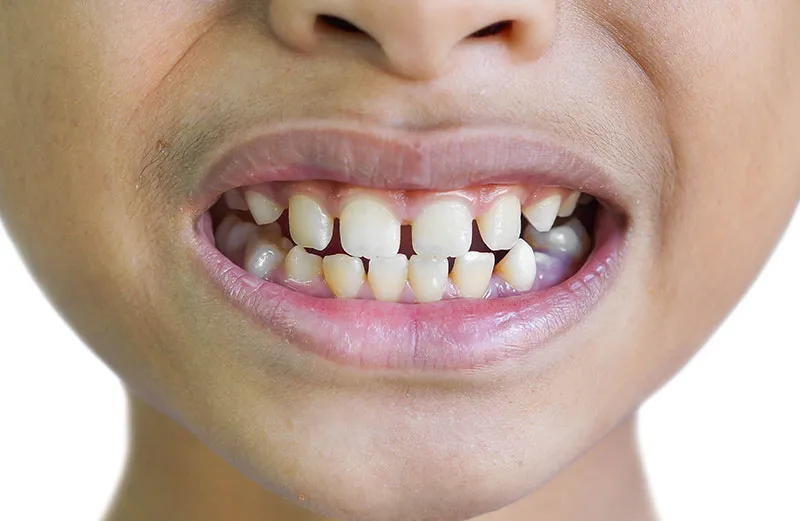
Gaps between teeth trap food and lead to plaque and gum disease, but orthodontic treatments including braces and clear aligners can close them effectively.
How you consume acidic foods matters as much as what you eat, since swishing or sipping slowly prolongs enamel exposure and causes far more erosion overall.
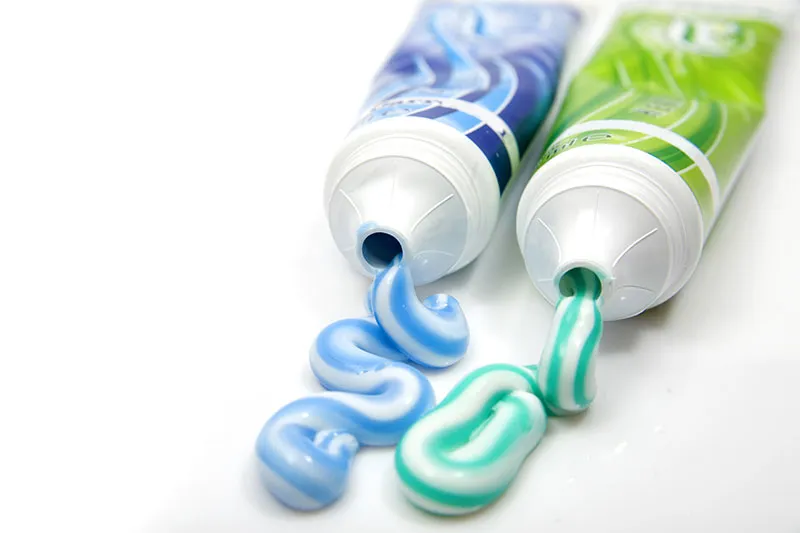
Dentists recommend choosing a toothpaste with ADA approval and the appropriate fluoride content along with a formula designed for your specific dental needs.
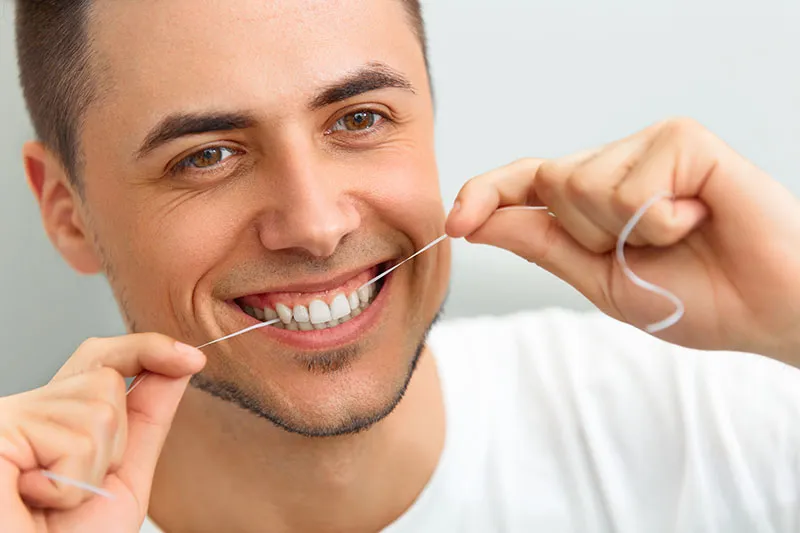
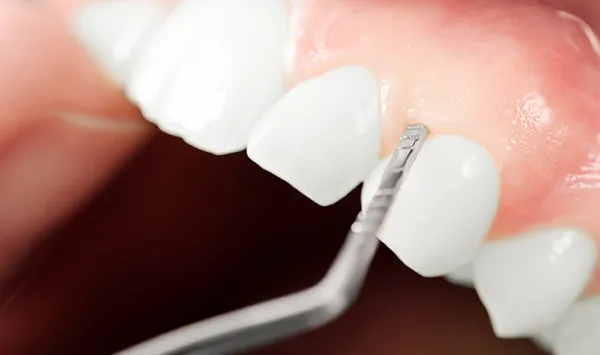
A survey found 27 percent of patients admit lying to their dentist about flossing, but gum inflammation and plaque patterns between teeth reveal the truth.
Two-year molars break through between 22 and 33 months, causing discomfort that parents can ease with chilled teething rings and appropriate pain relievers.
Common dental myths, like sugar directly causing cavities or bleaching always being harmful, have been debunked by current dental research and ADA guidance.
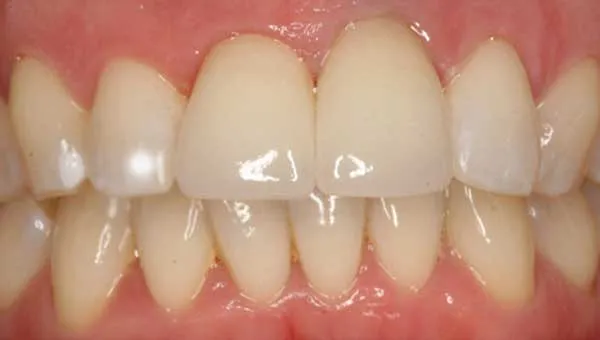
White spots can result from excess fluoride, enamel demineralization, or certain medications, and can be treated with bonding, veneers, or microabrasion.
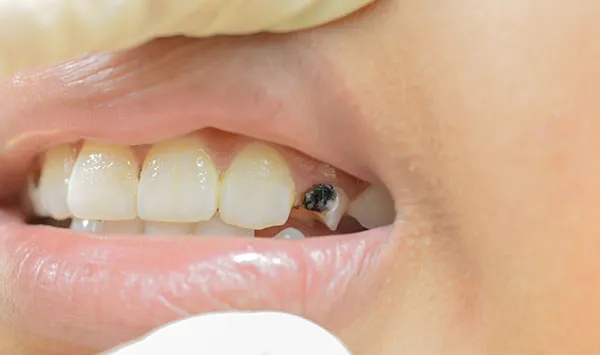
Teeth can turn black due to severe decay, injury, tartar buildup, or medications, and prompt dental treatment is essential to address the underlying cause.
Medical research confirms smiling and laughing reduce stress hormones and release endorphins, making healthy teeth that inspire confidence a real health asset.
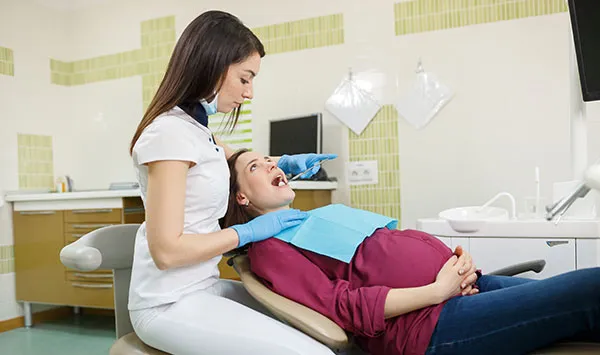
Dental care is essential during pregnancy because hormonal changes increase cavity risk and baby teeth begin developing as early as six weeks in utero.
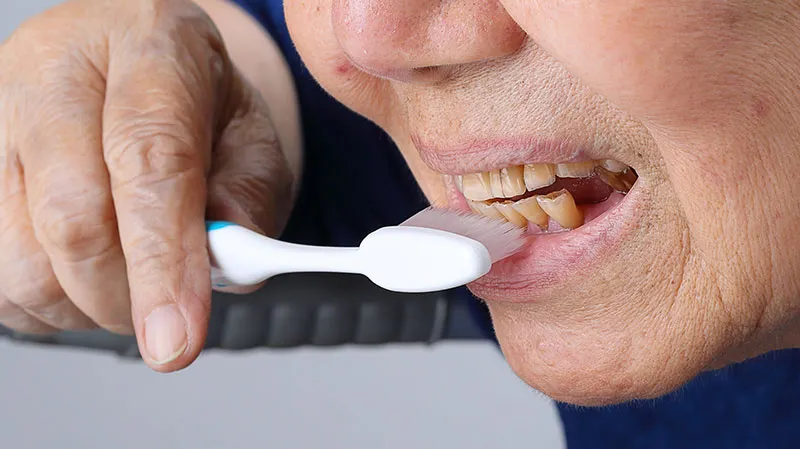
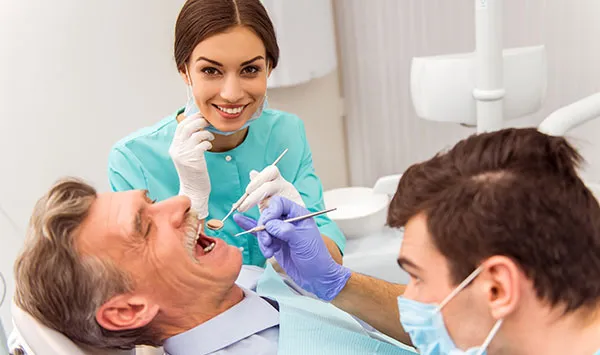
Oral Health America tracks decay across all 50 states, revealing one-third of seniors have lost six or more teeth, with 25 states receiving poor grades.
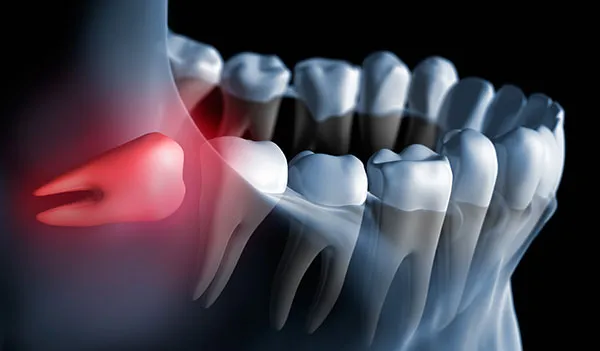
After wisdom tooth extraction, eating yogurt, smoothies, mashed potatoes, and soup allows extraction sites to heal comfortably without irritation or infection.