Diabetes and gum disease share a bidirectional link, where uncontrolled blood sugar worsens gum health and gum disease makes blood sugar harder to control.
Children tend to mimic their parents, so modeling positive dental habits at home is one of the most effective ways to reduce your child's dental anxiety.
Every February the ADA joins educators and healthcare providers to raise awareness about children's dental health and encourage lifelong hygiene habits.
Nitrous oxide, or laughing gas, is a safe sedation option that reduces dental anxiety and pain perception without the risks of deeper anesthesia types.
Overusing whitening products, called bleachorexia, damages enamel, causes severe sensitivity, and makes teeth appear translucent, requiring dental correction.
University of Florida researchers are studying beneficial oral bacteria that neutralize acid, potentially leading to a probiotic pill to prevent cavities.
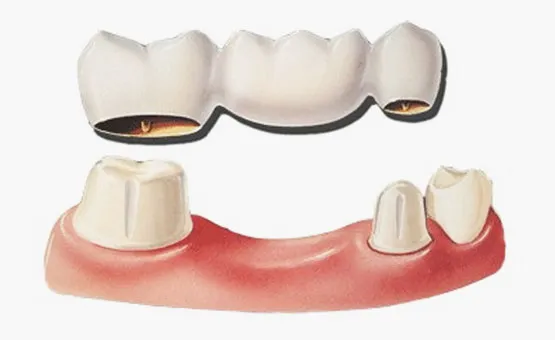
A dental bridge fills the gap left by a missing tooth using crowns on adjacent teeth, restoring your bite, preventing shifting teeth, and improving your smile.
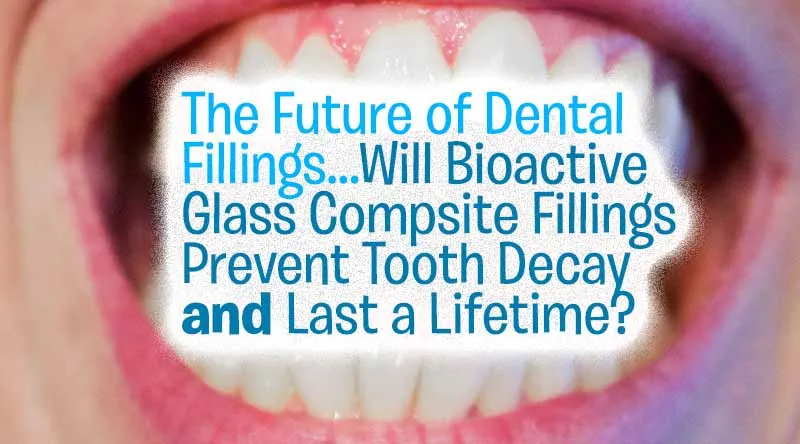
Oregon State researchers found bioactive glass in composite fillings resists bacterial attack and releases minerals that remineralize the surrounding tooth.
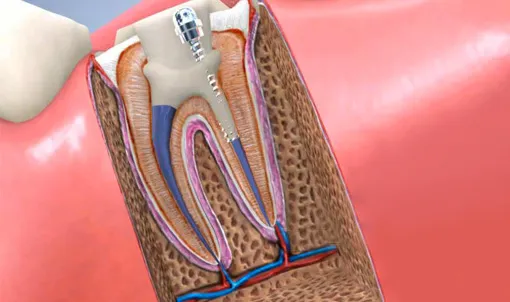
A root canal removes infected pulp to eliminate pain and infection, and with modern anesthesia, the procedure is far more comfortable than most patients expect.
Researchers are experimenting with engineering blood vessels in root-canal-treated teeth to restore living tissue and increase the longevity of treated teeth.
Researchers developing a green tea extract that blocks exposed dentin tubules could offer longer-lasting tooth sensitivity relief than current options provide.
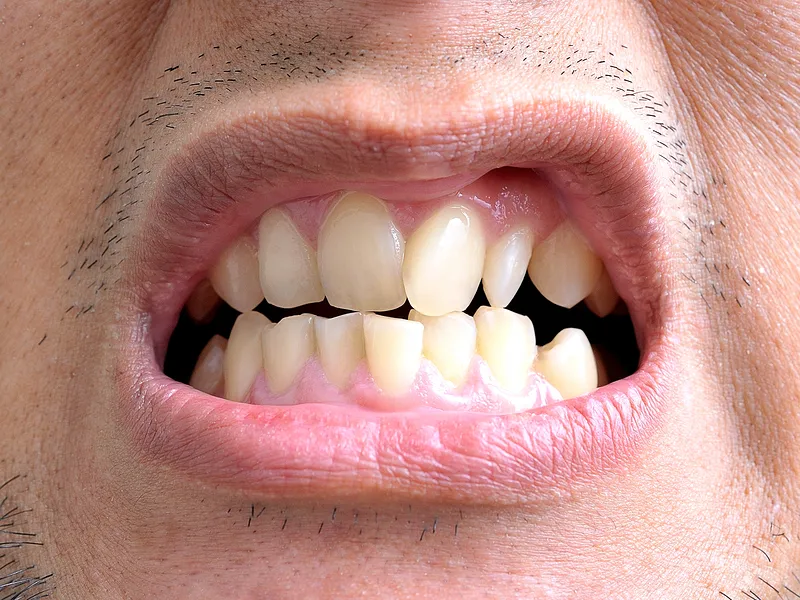
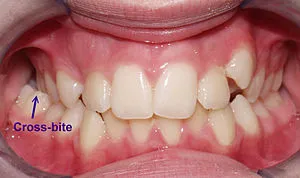
Crossbite occurs when upper and lower teeth don't align properly and can be corrected with braces or retainers to prevent long-term jaw and bite problems.
Common myths about dental care during pregnancy have been debunked by the ADA, confirming that x-rays, cleanings, and fillings are safe for expectant mothers.
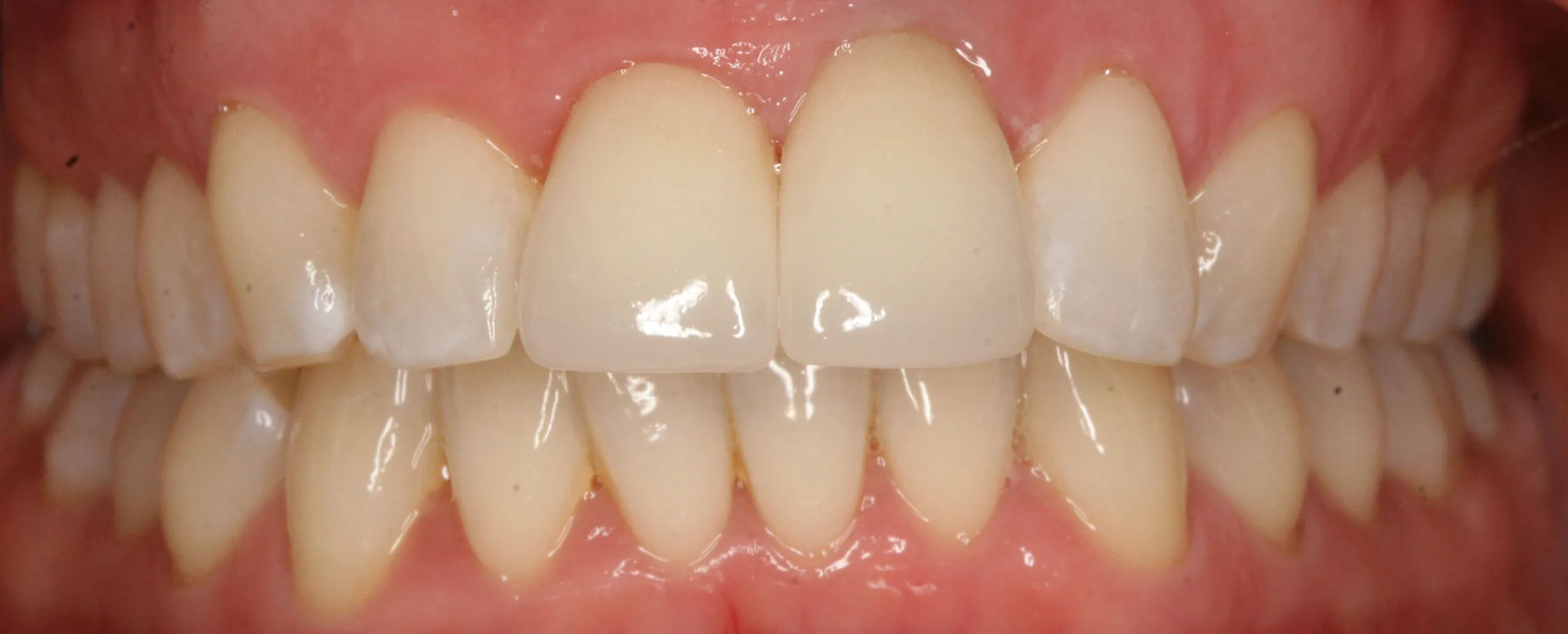
Teeth are essential for chewing food to support digestion, maintaining facial bone structure, enabling clear speech, and keeping adjacent teeth aligned.
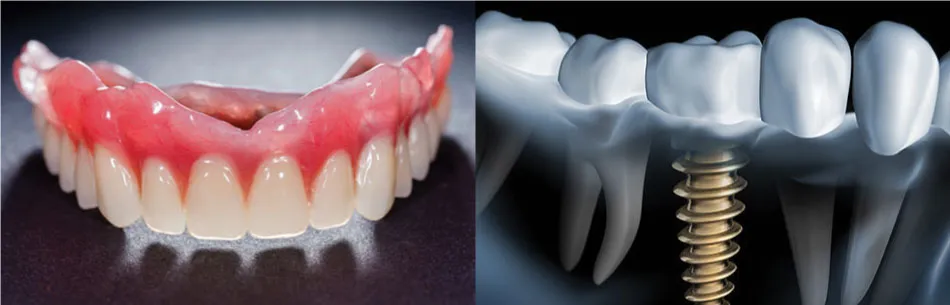
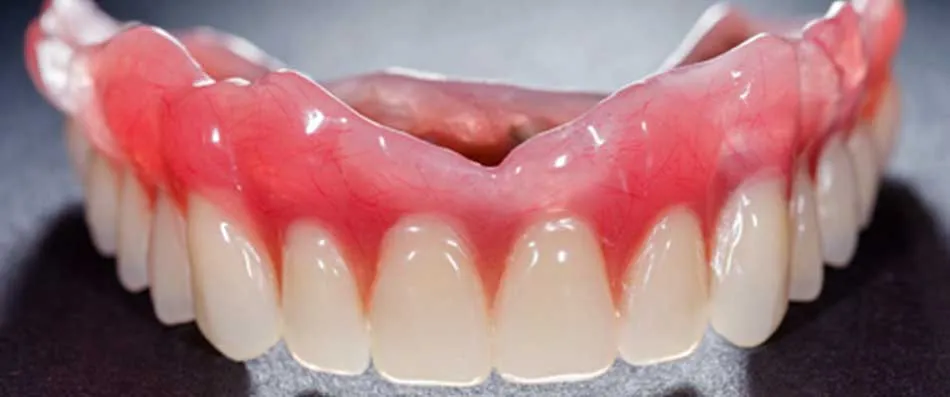
Choosing between dentures and implants depends on your health, bone density, lifestyle, and budget, and your dentist can help you weigh the options carefully.
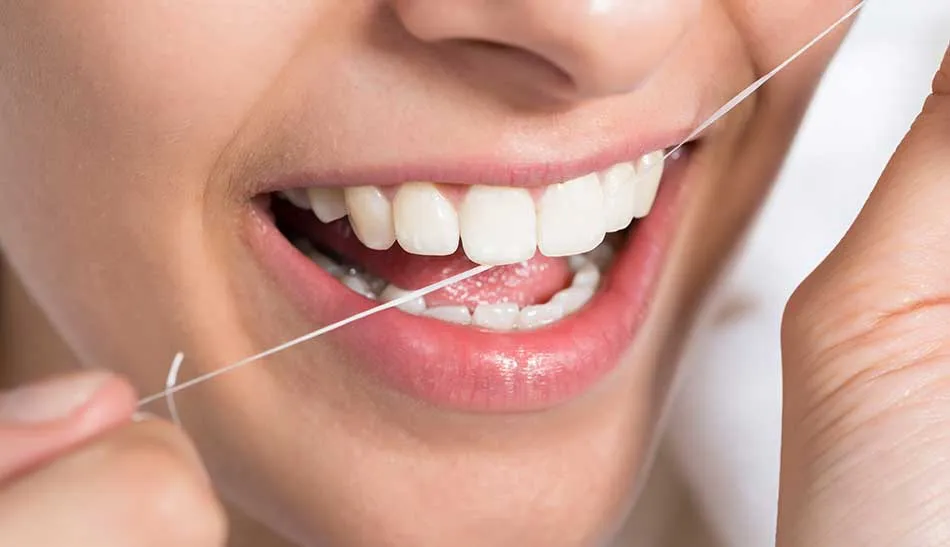
Signs you are not flossing enough include bleeding gums, persistent bad breath, visible plaque between teeth, and early gum disease that worsens over time.
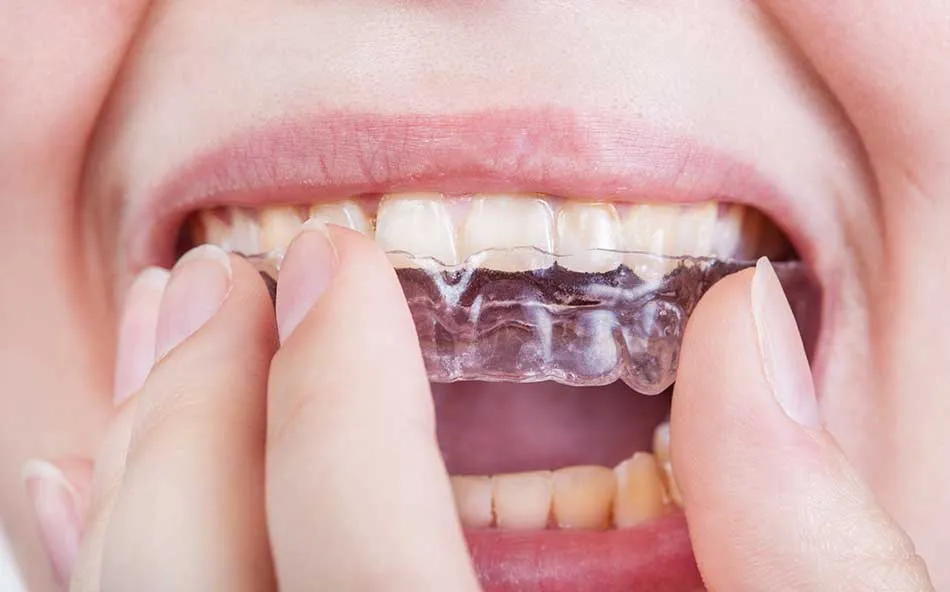
Retainers should be cleaned daily to prevent plaque buildup, as a cloudy or bad-smelling retainer can harbor organisms that harm the teeth and gums over time.