We're sorry — we're having trouble with our phone system. If your call doesn't go through, please try again shortly, email us or request an appointment online.
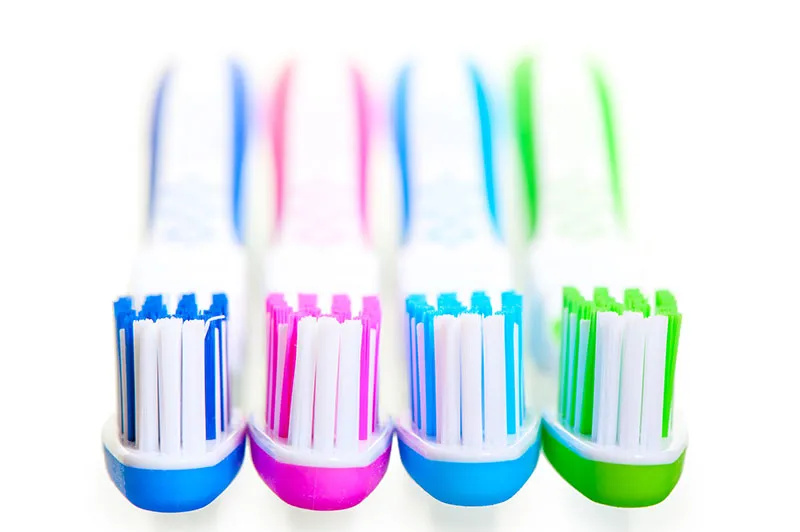
The ADA recommends a soft-bristled toothbrush with the ADA Seal, replaced every three to four months, used with gentle circular motions for best cleaning.
Jaw pain, clicking, and limited movement are common symptoms of TMJ disorders, which dentists can diagnose and treat with a variety of non-surgical approaches.
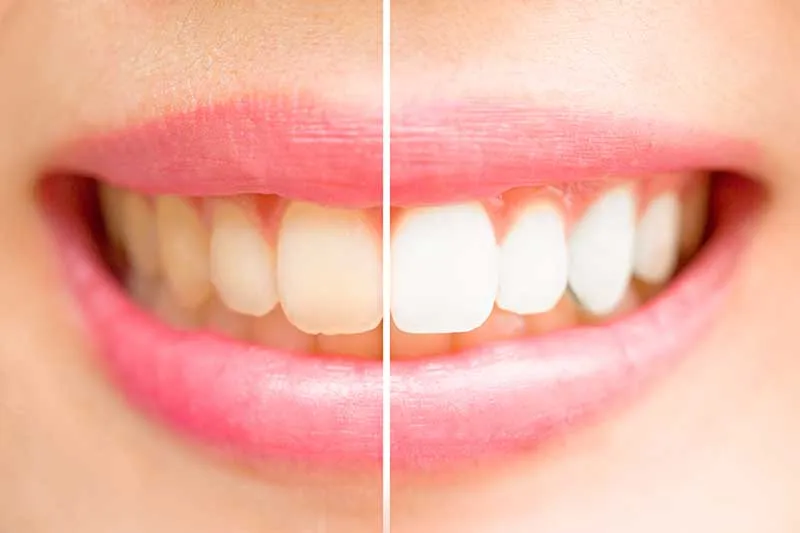
Coffee, tea, and red wine stain teeth faster on porous enamel, but rinsing with water and regular professional cleanings can significantly limit discoloration.
Filling baby bottles with sugary drinks or letting infants sleep with a bottle can cause tooth decay in young children, but simple guidelines can prevent it.
Brushing alongside children, making it a game, and using two-minute timers are dentist-approved strategies that help kids develop strong toothbrushing habits.
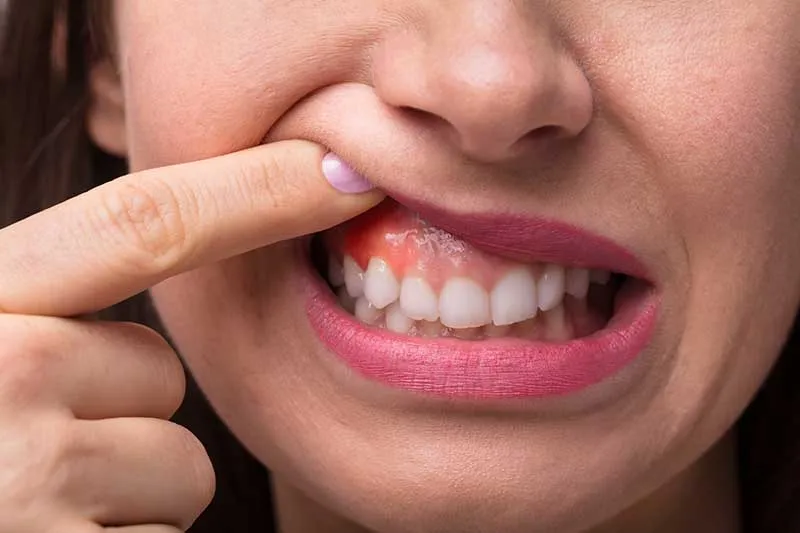
Gum pain may come from aggressive brushing, ill-fitting appliances, gum disease, or abscess, and a dentist can pinpoint the source and provide proper treatment.
Caregivers helping elderly or disabled loved ones with dental hygiene can follow ADA guidelines for safe, effective tooth brushing, flossing, and denture care.
The ADA recommends packing a travel dental kit, locating a dentist at your destination in advance, and staying consistent with brushing while traveling.
The American Academy of Pediatrics recommends fluoride toothpaste as soon as a baby's first tooth appears, using just a rice-grain-sized amount until age three.
Brief sensitivity after a filling is normal, but persistent pain weeks later may indicate a high bite, cracked tooth, or failed restoration needing care.
Some tooth sensitivity after a filling is completely normal and typically fades within a few days to weeks as the tooth adjusts to the new restoration.
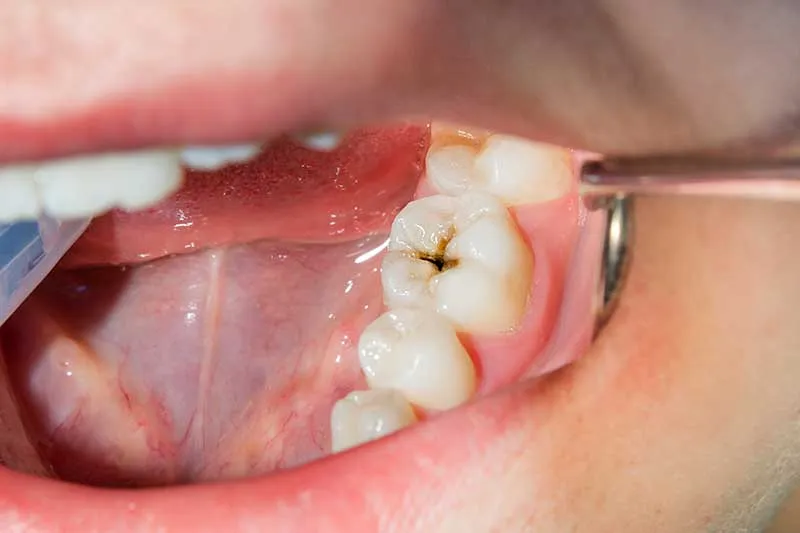
Cavities are holes caused by bacterial acids eroding enamel, and they must be treated with fillings before they deepen to the nerve and cause severe pain.
The American Academy of Pediatric Dentistry recommends pacifiers because pacifier habits are easier to limit before affecting tooth and jaw development.
Thumb sucking is normal for infants, but if it continues past age four or five, it can alter permanent teeth development and require orthodontic intervention.