We're sorry — we're having trouble with our phone system. If your call doesn't go through, please try again shortly, email us or request an appointment online.
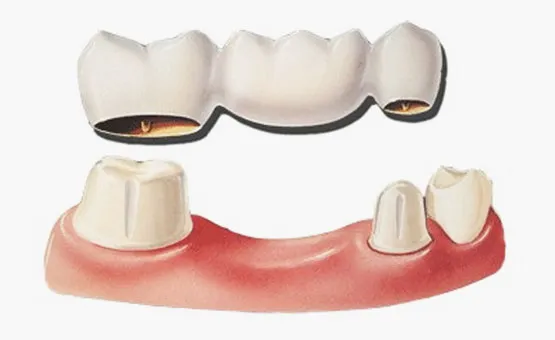
A dental bridge fills the gap left by a missing tooth using crowns on adjacent teeth, restoring your bite, preventing shifting teeth, and improving your smile.
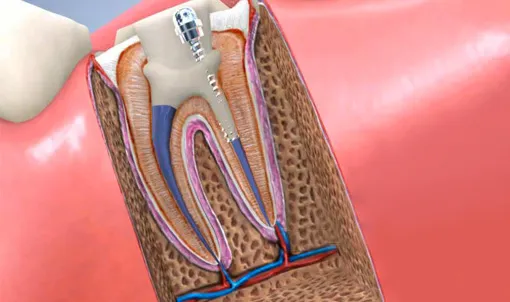
A root canal removes infected pulp to eliminate pain and infection, and with modern anesthesia, the procedure is far more comfortable than most patients expect.
Common myths about dental care during pregnancy have been debunked by the ADA, confirming that x-rays, cleanings, and fillings are safe for expectant mothers.
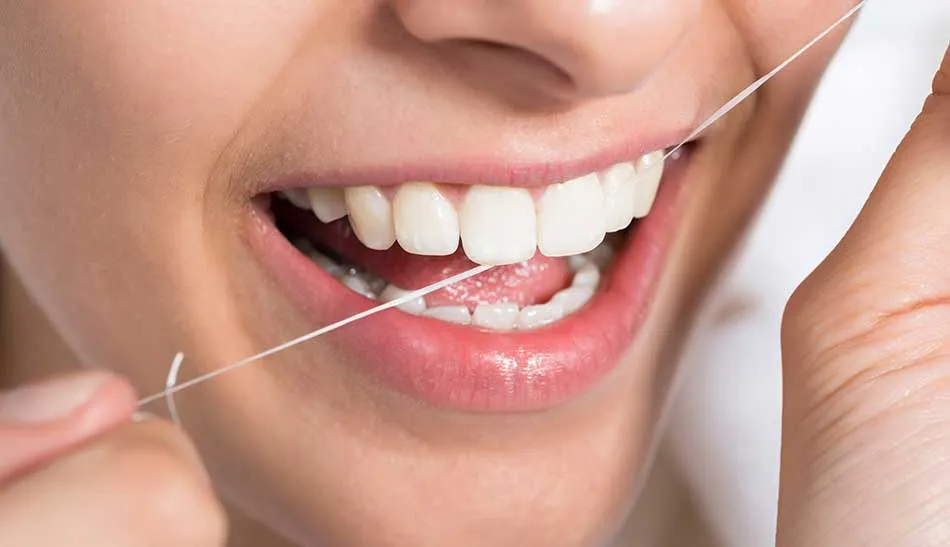
Signs you are not flossing enough include bleeding gums, persistent bad breath, visible plaque between teeth, and early gum disease that worsens over time.
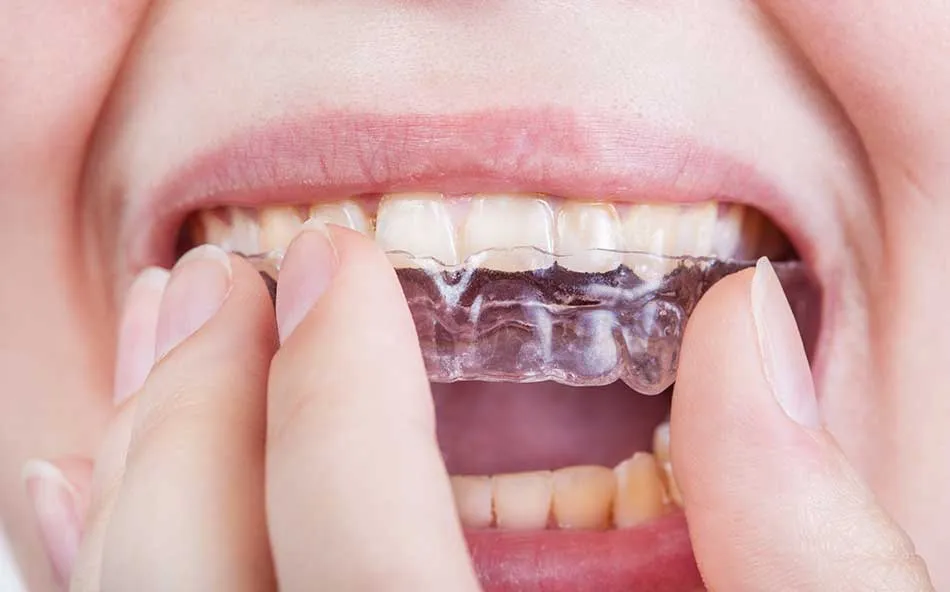
Retainers should be cleaned daily to prevent plaque buildup, as a cloudy or bad-smelling retainer can harbor organisms that harm the teeth and gums over time.
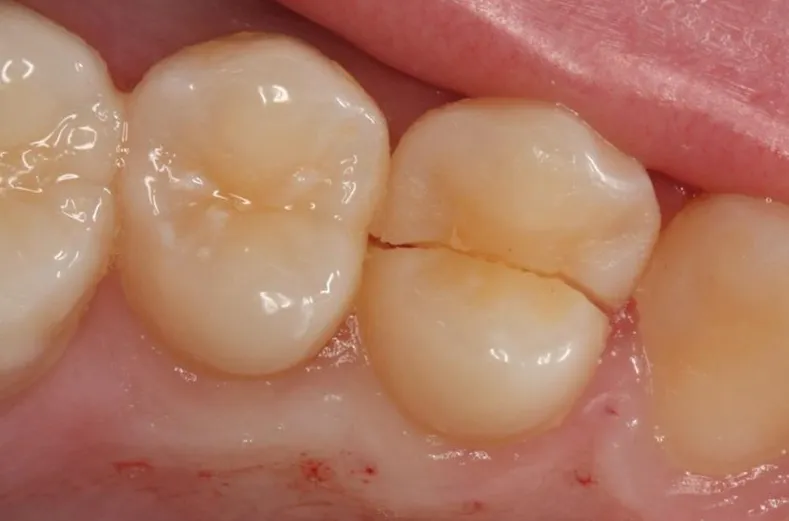
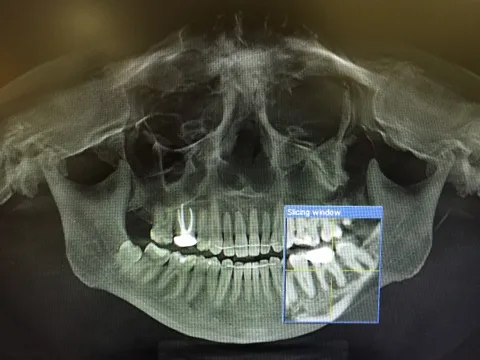
Cracked teeth range from superficial craze lines to deep fractures reaching the pulp, with treatment varying from monitoring to crowns or root canal therapy.
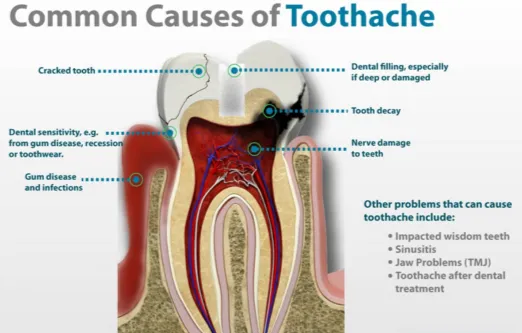
Toothaches are caused by deep decay, cracked teeth, gum disease, or abscess, and a dentist must identify the underlying source to provide lasting relief.
Milk, eggs, leafy greens, nuts, and crunchy vegetables are among the best tooth-friendly foods for calcium content, saliva stimulation, and cleaning action.
Simple choices like avoiding ice chewing, limiting sugary snacks, drinking more water, and brushing properly make a big difference in long-term dental health.
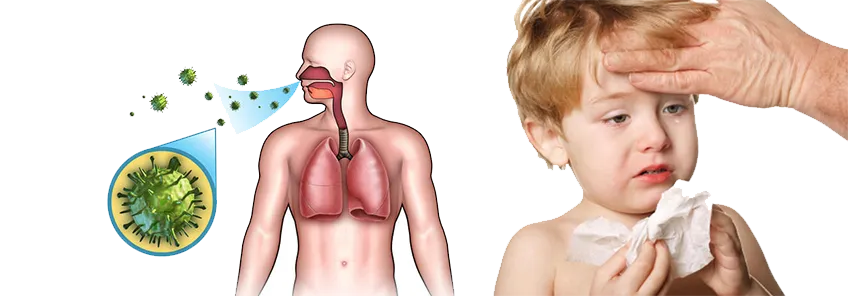
Research links poor dental care to a higher risk of pneumonia. In one large study, people who never had dental checkups were 86% more likely to get bacterial pneumonia.
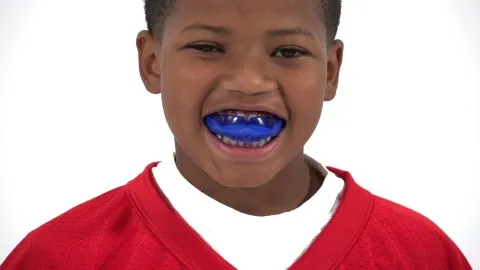
Custom-fitted mouthguards from a dentist protect children and adults in contact sports by cushioning impacts that could crack or knock out teeth during play.
Eating Halloween candy with meals, avoiding sticky sweets, and brushing thoroughly are ADA-recommended ways to protect children's teeth during the holiday.
Helping children overcome dental fear means explaining what to expect, staying calm, and choosing a dentist skilled at making young patients feel safe.
The American Academy of Pediatric Dentistry recommends a first dental visit by age one to catch early decay, build good habits, and ease dental anxiety.