We're sorry — we're having trouble with our phone system. If your call doesn't go through, please try again shortly, email us or request an appointment online.
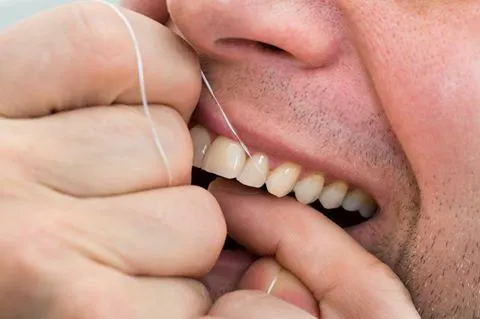
The ADA emphasizes flossing removes plaque between teeth where brushing cannot reach, preventing the gum disease that affects nearly half of American adults.
Tooth sensitivity is typically caused by worn enamel, exposed roots, or cavities, and can be treated with desensitizing toothpaste, fluoride, or bonding.
Bad breath often comes from bacteria, dry mouth, gum disease, or certain foods, and daily brushing, flossing, tongue cleaning, and checkups can eliminate it.
Pregnancy hormones can cause gum swelling, sensitivity, and bleeding, making regular dental cleanings and good oral hygiene vital for expectant mothers.
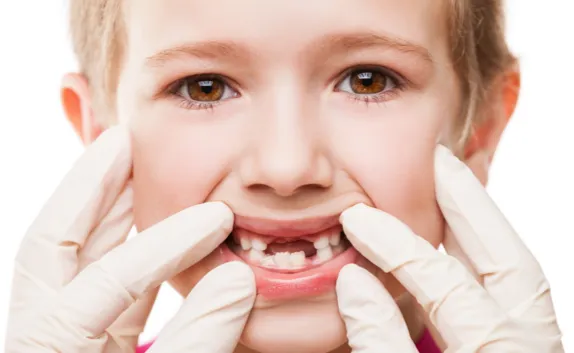
Starting dental care in infancy, limiting sugary drinks, brushing twice daily, and the first dental visit by age one protects your child's developing teeth.
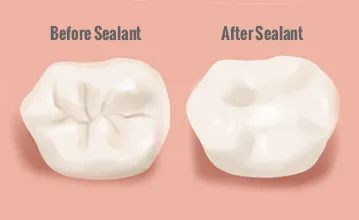
Dental sealants are plastic coatings applied to the chewing surfaces of back teeth that block bacteria and food from reaching the enamel and causing cavities.
A tooth that darkens after an injury may have damaged pulp. Learn what treatments—root canal, whitening, veneers, or crowns—can restore its appearance.
Chewing sugarless gum after meals is ADA-approved because it stimulates saliva flow that washes away acids and food particles for a modest cavity benefit.
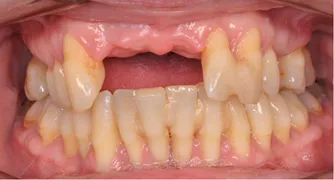
The most common causes of tooth loss are gum disease, untreated cavities, injury, smoking, and poor nutrition, most of which are preventable with regular care.
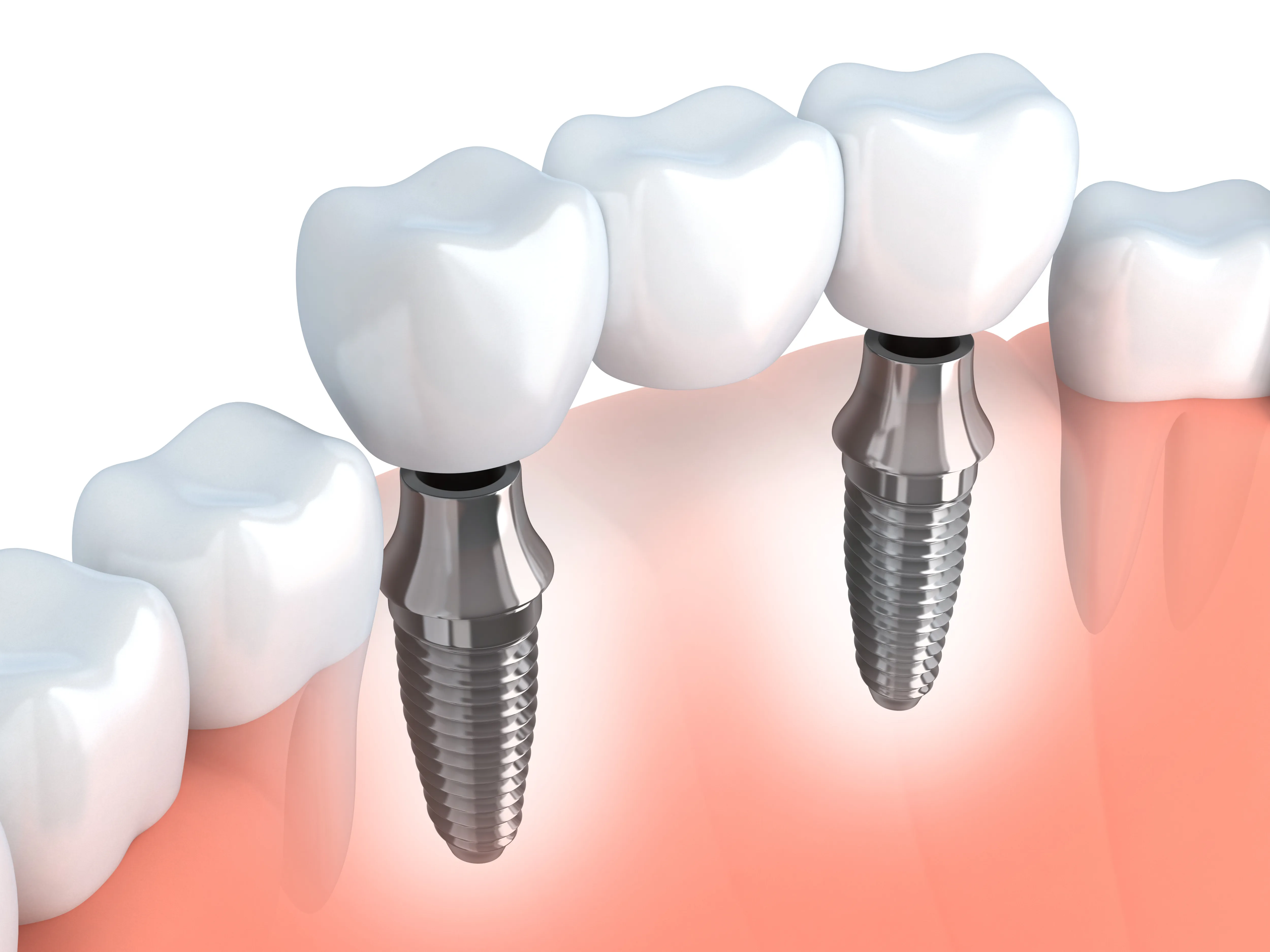
Dental implants are titanium roots that support permanent crowns and preserve jawbone, offering a more stable solution than bridges or removable dentures.
Cosmetic dentistry using porcelain veneers and bonding can transform crooked, discolored, or chipped teeth into a bright, aligned Hollywood-worthy smile.