Researchers found a gum cell that detects chemical byproducts from harmful oral bacteria and activates the immune system to defend against gum disease.
Studies show patients with advanced gum disease have higher blood pressure and respond less effectively to blood pressure medication than healthy patients.
Despite good hygiene, elite athletes suffer high rates of cavities and gum disease due to sports drinks, energy gels, and mouth breathing during exercise.
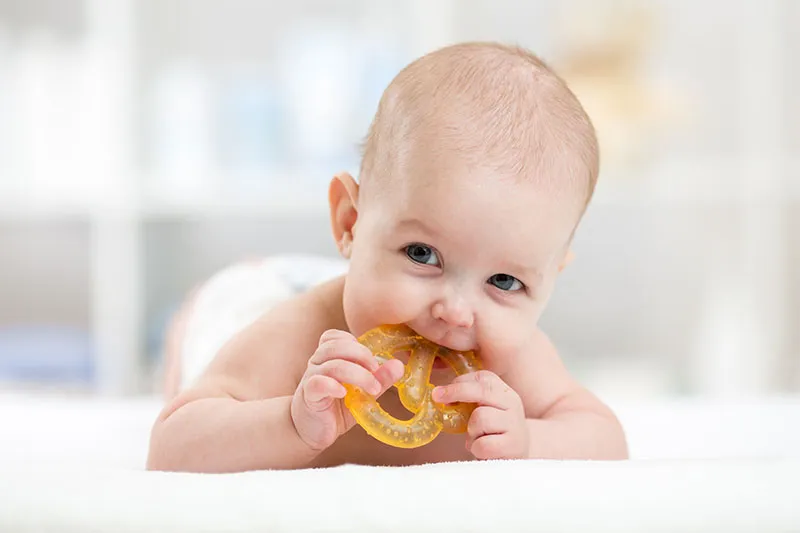
Baby teeth typically begin erupting between three and fourteen months, and knowing normal teething symptoms helps parents provide comfort during this milestone.
Pregnant mothers need calcium, phosphate, and vitamin D to support dental health and baby tooth development, which begins as early as six weeks in utero.
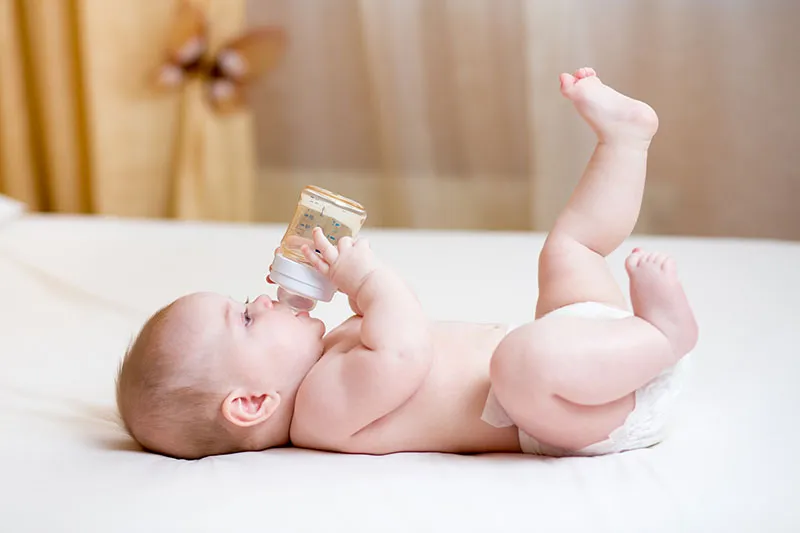
Filling baby bottles with sugary drinks or letting infants sleep with a bottle can cause tooth decay in young children, but simple guidelines can prevent it.
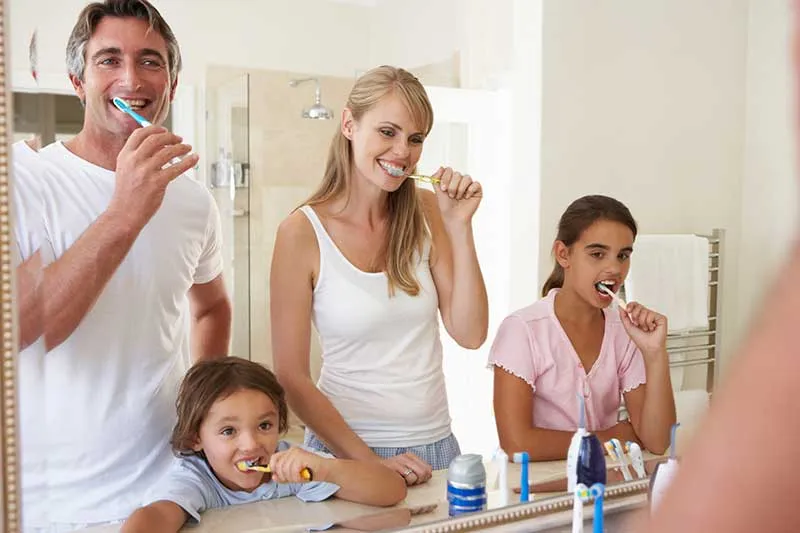
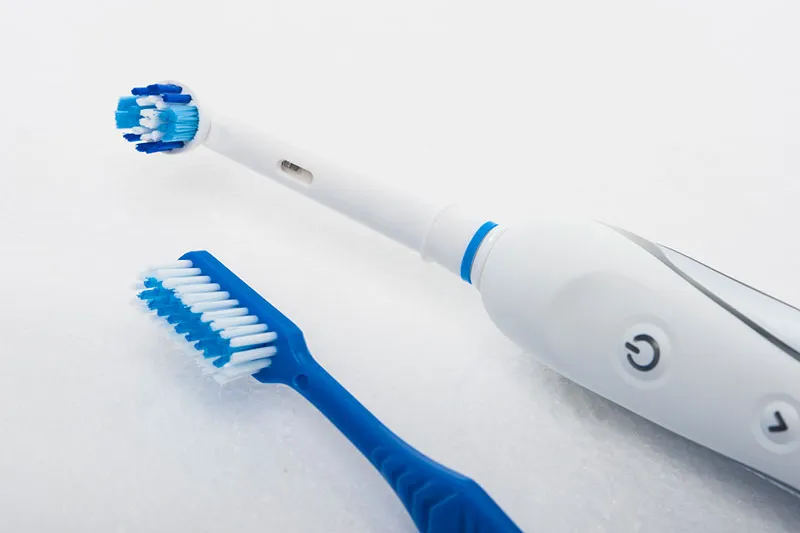
Brushing alongside children, making it a game, and using two-minute timers are dentist-approved strategies that help kids develop strong toothbrushing habits.
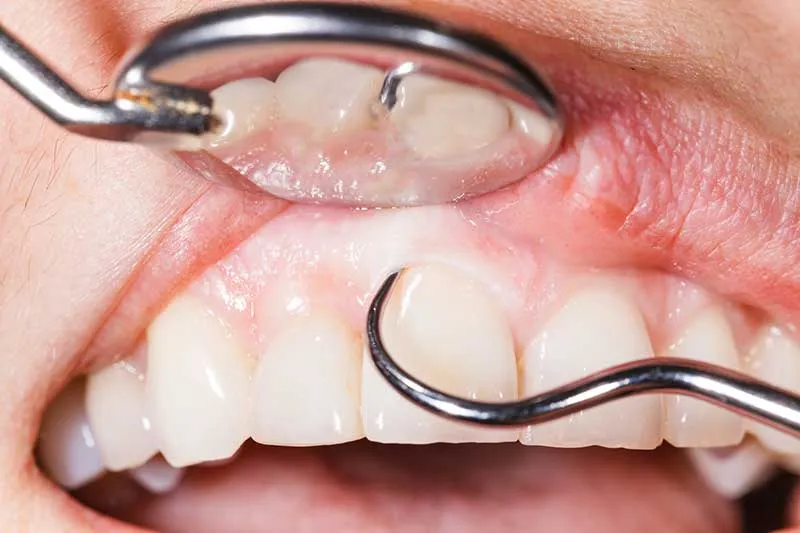
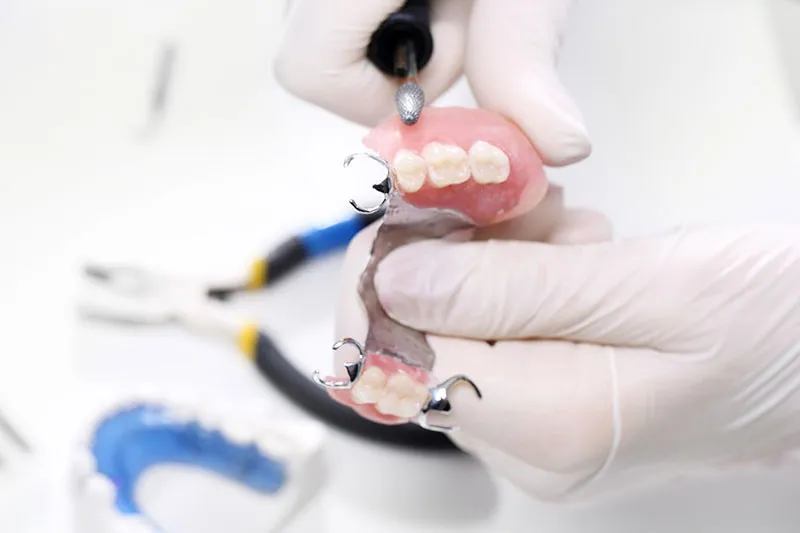
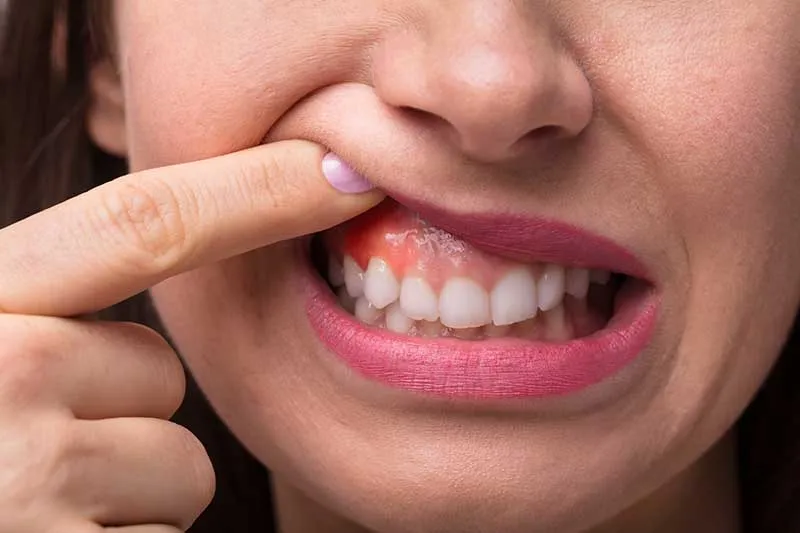
Gum pain may come from aggressive brushing, ill-fitting appliances, gum disease, or abscess, and a dentist can pinpoint the source and provide proper treatment.
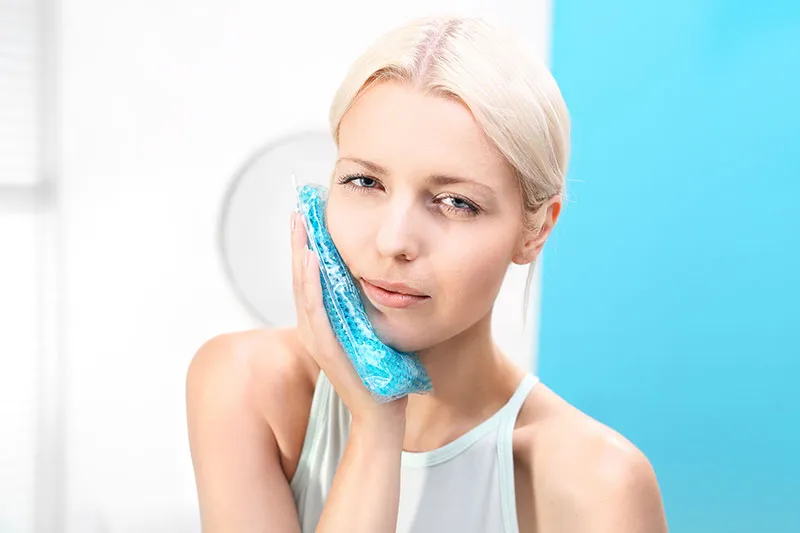
Aching gums can often be relieved at home with salt water rinses, tea bag compresses, and cold compresses until you can see your dentist for proper treatment.
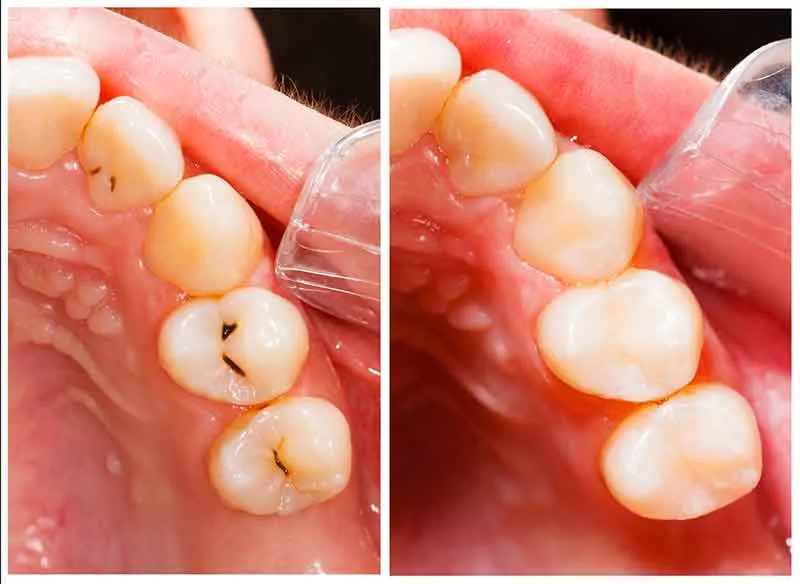
Researchers are developing antibacterial filling materials that fight bacteria responsible for new cavities forming around existing dental restorations.
Caregivers helping elderly or disabled loved ones with dental hygiene can follow ADA guidelines for safe, effective tooth brushing, flossing, and denture care.
The ADA recommends packing a travel dental kit, locating a dentist at your destination in advance, and staying consistent with brushing while traveling.
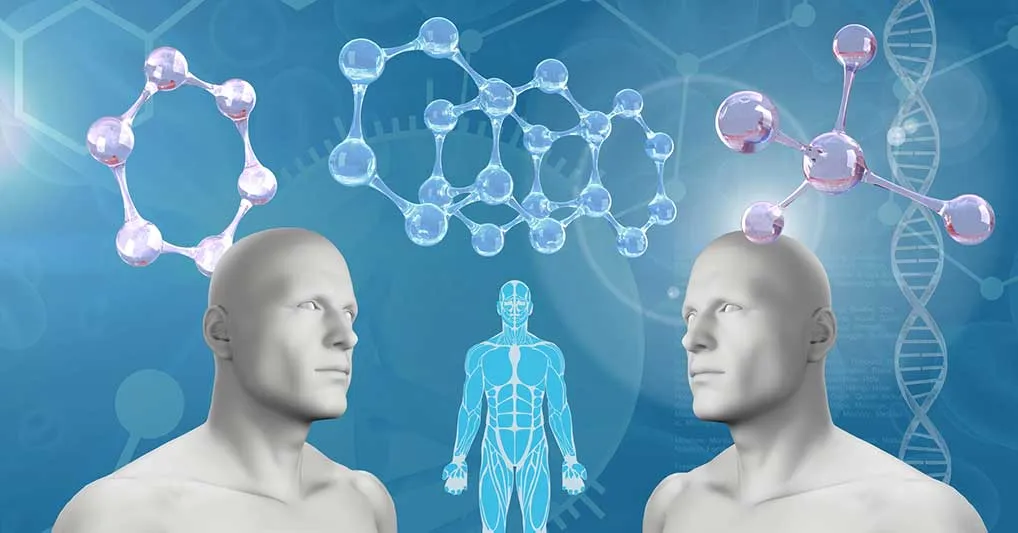
A University of Melbourne twin study confirmed genetics plays a minimal role in dental health, with diet and hygiene being the key determining factors.
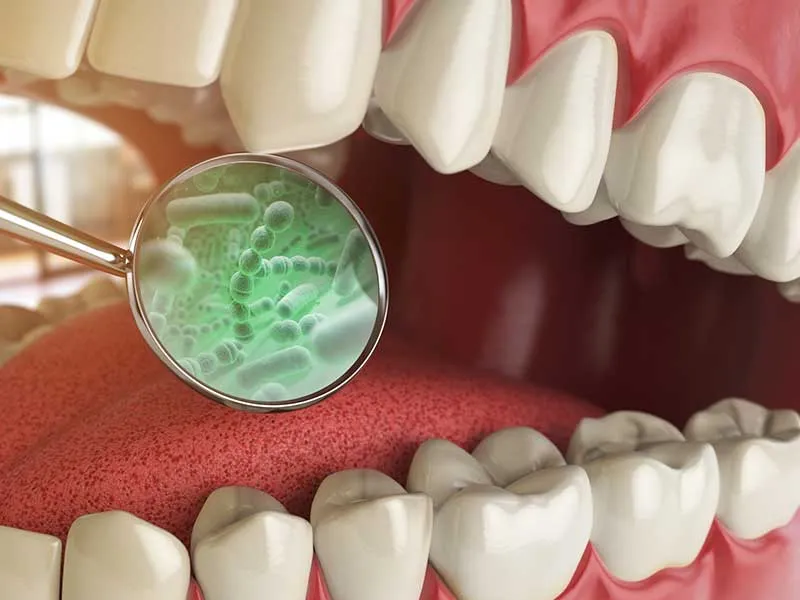
University of Pennsylvania researchers developed micro-robots that remove dental biofilm from tooth surfaces, offering a breakthrough in plaque control.
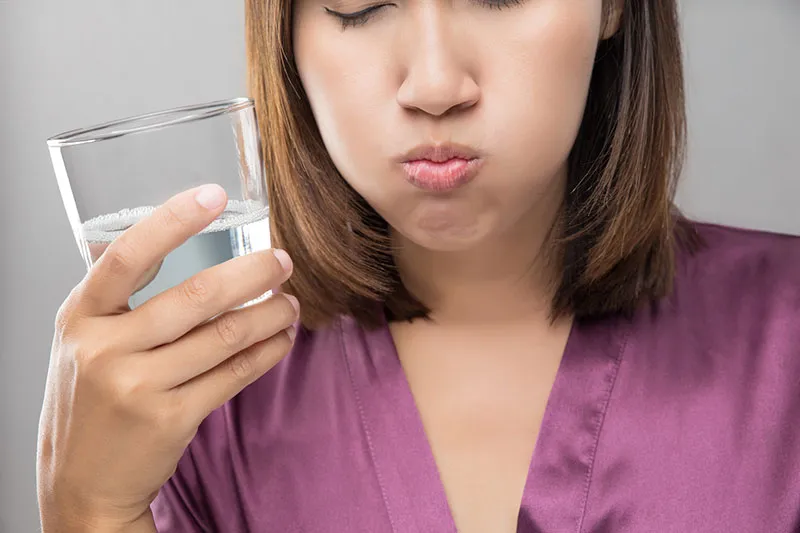
Gargling with salt water can reduce inflammation, kill surface bacteria, and help relieve gum pain, sore throats, and discomfort following dental procedures.