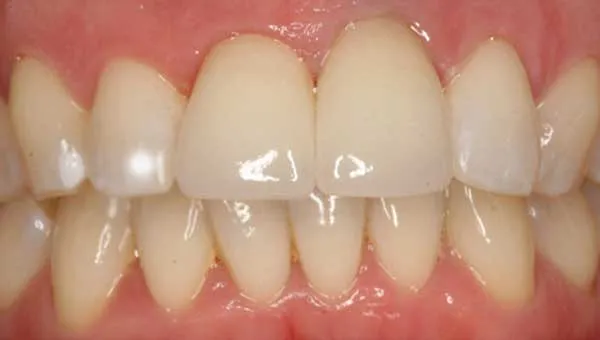
Dental bonding uses tooth-colored resin to repair chips, close gaps, and improve stained or misshapen teeth in a single office visit with minimal prep.
Hollywood stars like Joan Crawford used cosmetic dental procedures to improve their appearance on screen, reflecting dentistry's role in improving smiles.
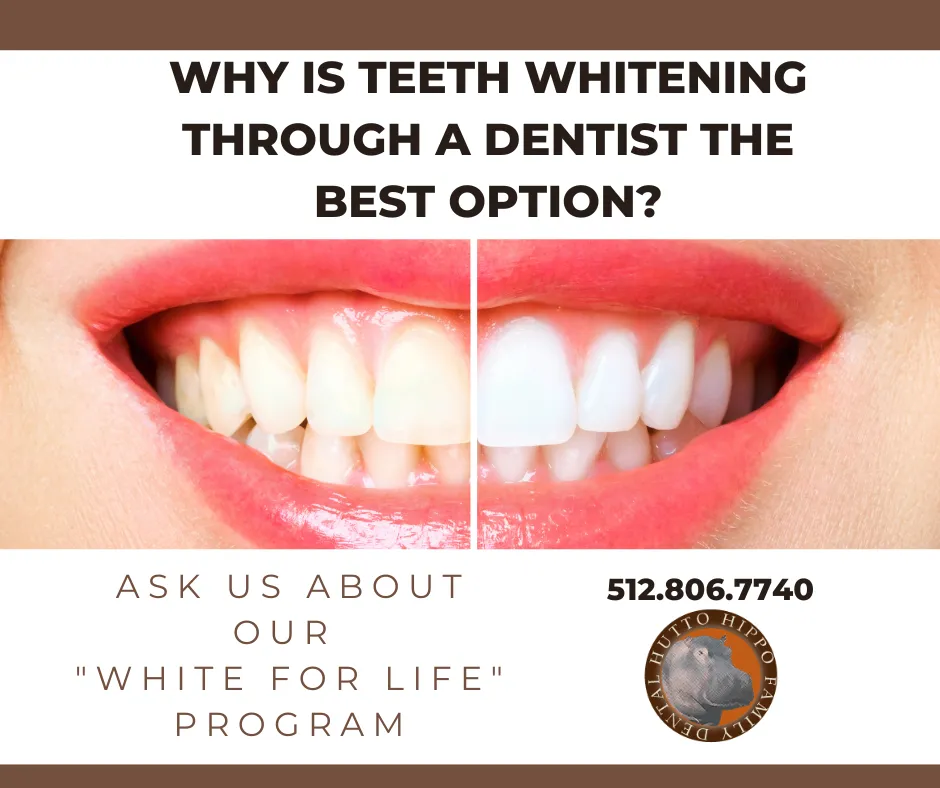
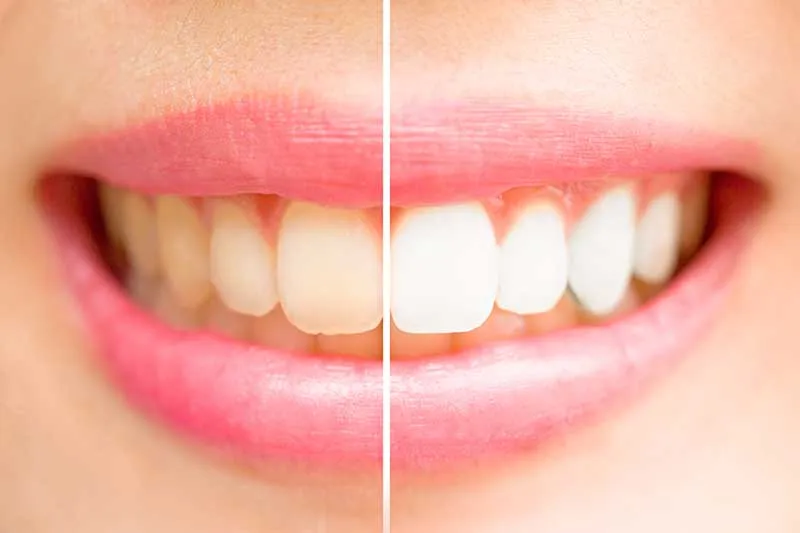
Dentist-supervised whitening uses higher hydrogen peroxide concentrations than OTC products and includes gum protection for safer, more effective results.
Dental bonding applies tooth-colored composite resin to repair chips, reduce gaps, cover stains, and reshape teeth in a single comfortable office visit.
Home whitening remedies like activated charcoal and lemon juice are ineffective or damaging, while professional whitening delivers safe, lasting results.
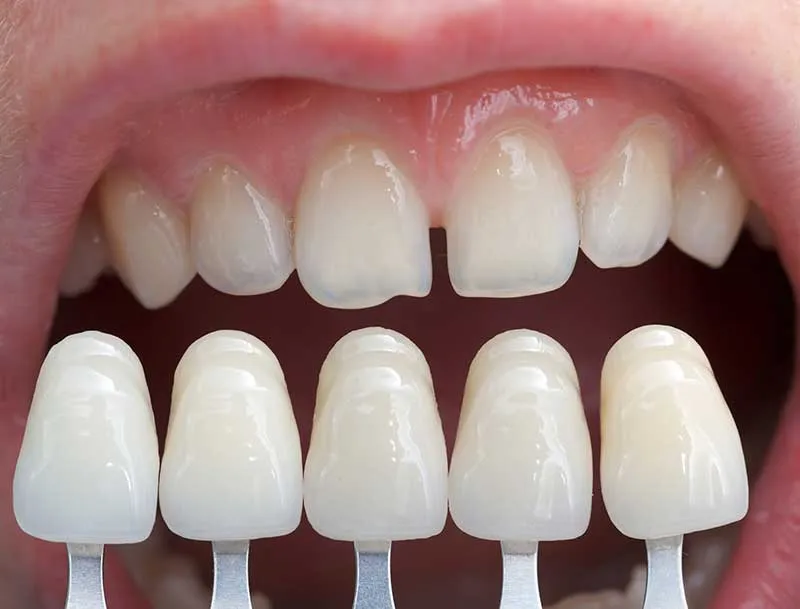
Dental veneers are thin porcelain or composite coverings bonded to teeth to correct chips, staining, gaps, and discoloration for a dramatic smile makeover.
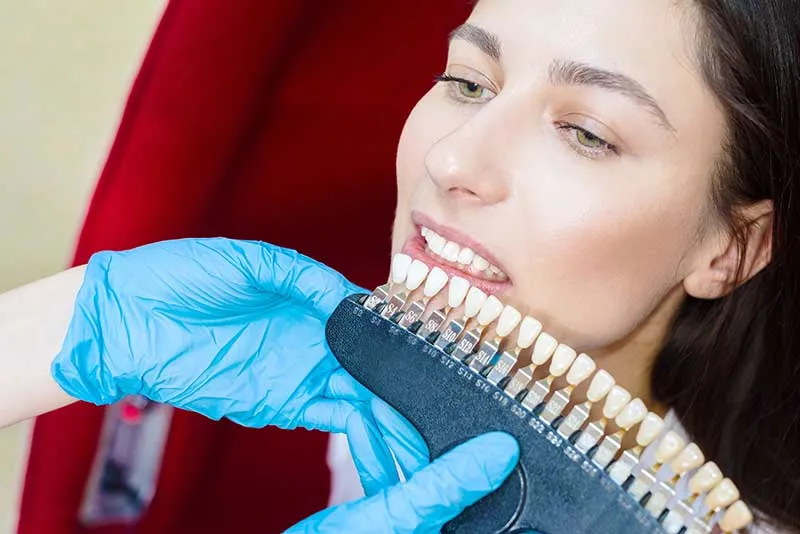
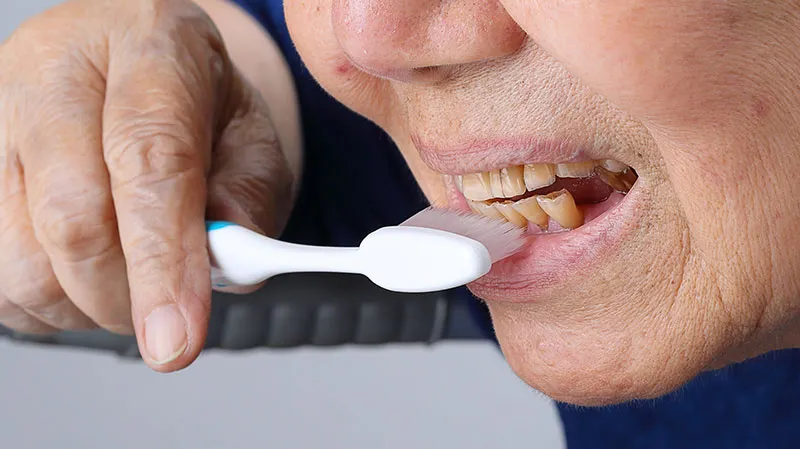
Tooth discoloration from food, aging, or medication can be corrected through professional whitening, bonding, or veneers tailored to the underlying cause.
Combining whitening, veneers, and orthodontics gives patients the straight, permanently white Hollywood smile that cosmetic dentistry has made accessible.
Coffee, tea, and red wine stain teeth faster on porous enamel, but rinsing with water and regular professional cleanings can significantly limit discoloration.
Professor Moradian-Oldak's peptide hydrogel technology can rebuild enamel-like material on worn teeth, potentially offering a way to reverse acid erosion.
How you consume acidic foods matters as much as what you eat, since swishing or sipping slowly prolongs enamel exposure and causes far more erosion overall.
White spots can result from excess fluoride, enamel demineralization, or certain medications, and can be treated with bonding, veneers, or microabrasion.
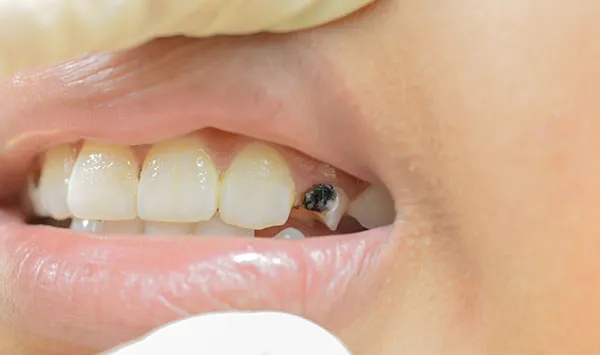
Teeth can turn black due to severe decay, injury, tartar buildup, or medications, and prompt dental treatment is essential to address the underlying cause.
Overusing whitening products, called bleachorexia, damages enamel, causes severe sensitivity, and makes teeth appear translucent, requiring dental correction.
Researchers developing a green tea extract that blocks exposed dentin tubules could offer longer-lasting tooth sensitivity relief than current options provide.
Sensitivity toothpastes like Sensodyne use potassium nitrate or stannous fluoride to build tolerance to temperature and pressure over regular daily use.
People whiten teeth to reverse staining from coffee, tea, wine, and aging, and professional bleaching provides the safest and most effective lasting results.