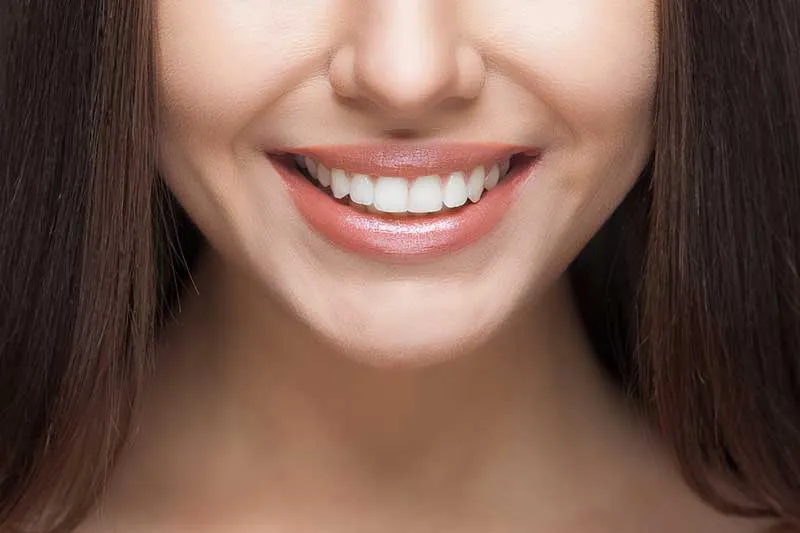
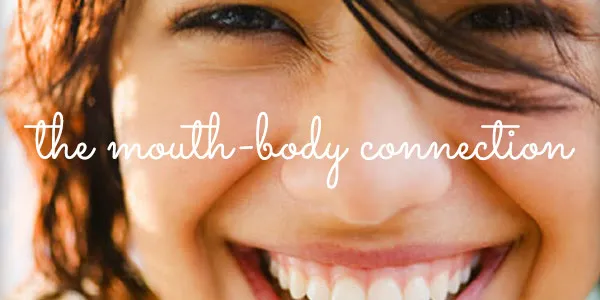
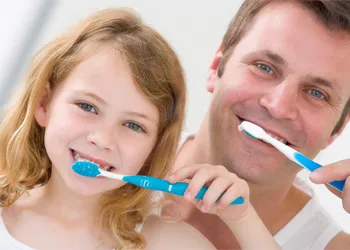
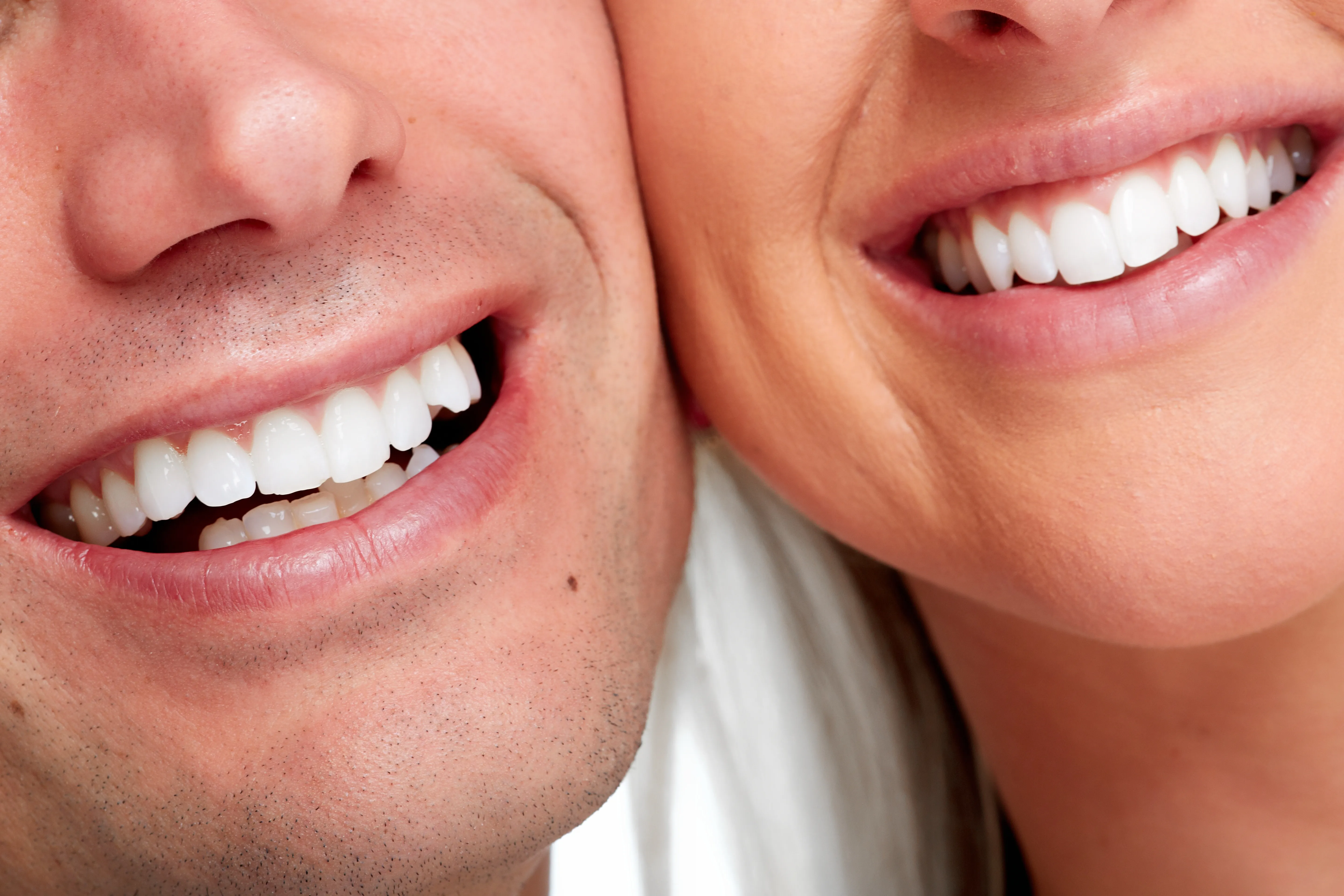
ADA research shows people with healthy smiles smile more often, which reduces stress hormones, boosts immune function, and improves overall well-being and mood.
Staying hydrated, wearing a mouthguard during sports, limiting sugary snacks, and scheduling a summer checkup are key dental safety tips for active months.
Over-brushing with too much force wears down enamel and causes gum recession, which dentists can identify through the distinctive pattern of wear on teeth.
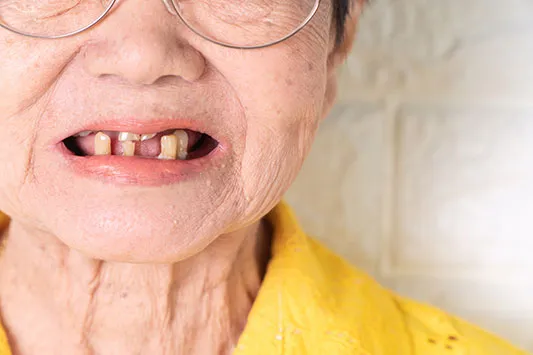
As the body ages, gum tissue thins, bones lose density, and immunity slows, making older adults more vulnerable to cavities, gum disease, and tooth loss.
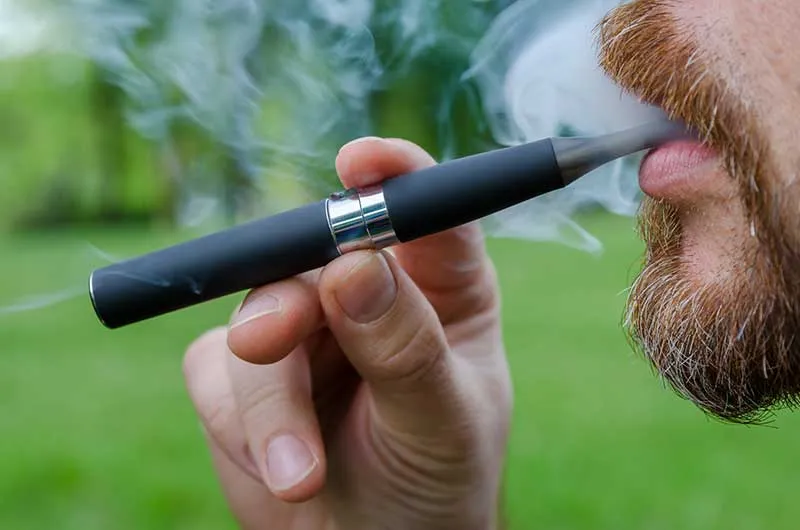
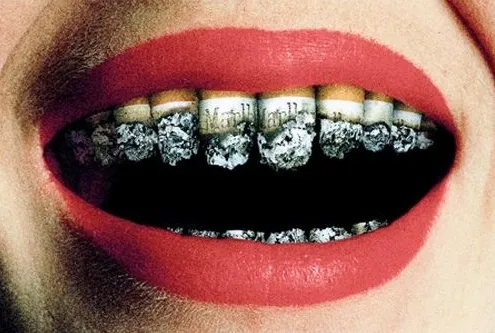
Research confirms vaping damages gum tissue, promotes cavities, and can cause tooth loss, undermining the belief that e-cigarettes are orally harmless.
Dark chocolate contains compounds that resist tooth decay better than fluoride in some studies, and its antioxidants support gum health with less sugar.
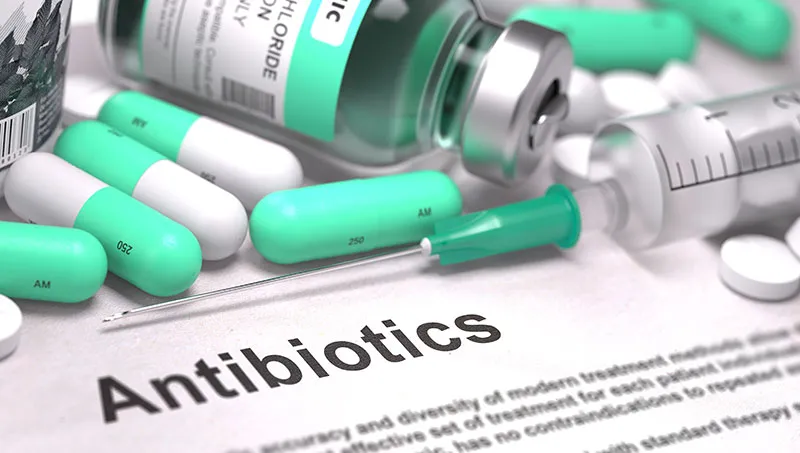
Patients with certain heart conditions or joint replacements may need an antibiotic before dental cleaning to prevent bacteria from causing serious infection.
Most dental insurance and FSA benefits expire December 31, so scheduling treatment before year-end maximizes the dental coverage you've already paid for.
Vegans face higher risks for cavities and tooth erosion due to reduced calcium and vitamin B12 intake and frequent consumption of acidic plant-based foods.
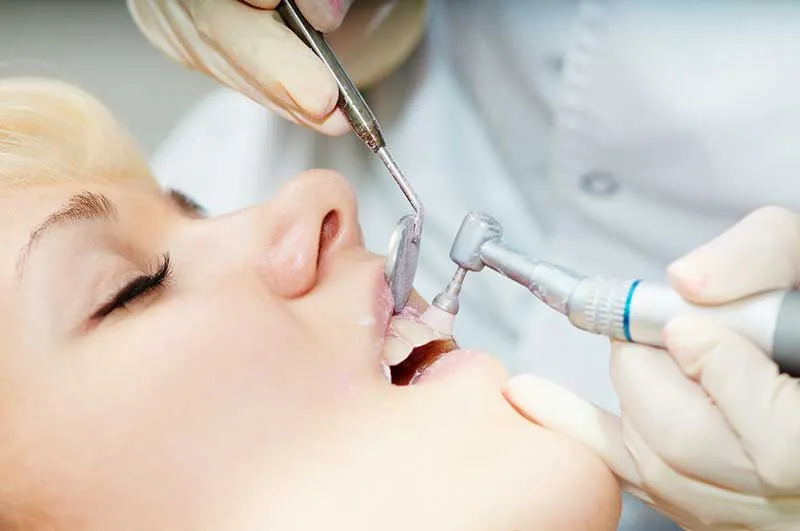
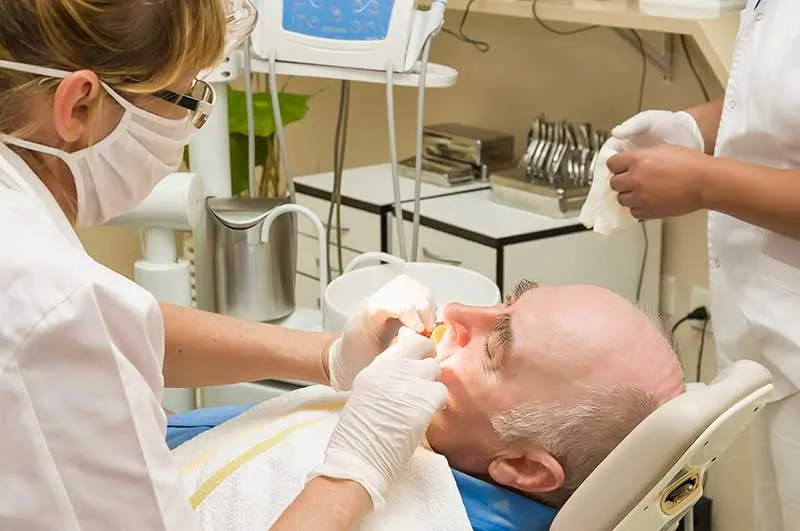
Professional cleaning every six months removes tartar and plaque that brushing misses, helping prevent cavities, gum disease, and tooth loss over time.
Extended mask-wearing increases dry mouth and mouth breathing, creating conditions for bacteria to thrive and raising the risk for gum disease and cavities.
Summer is ideal for children's dental visits since school is out, insurance benefits reset, and cavities or orthodontic concerns can be addressed easily.
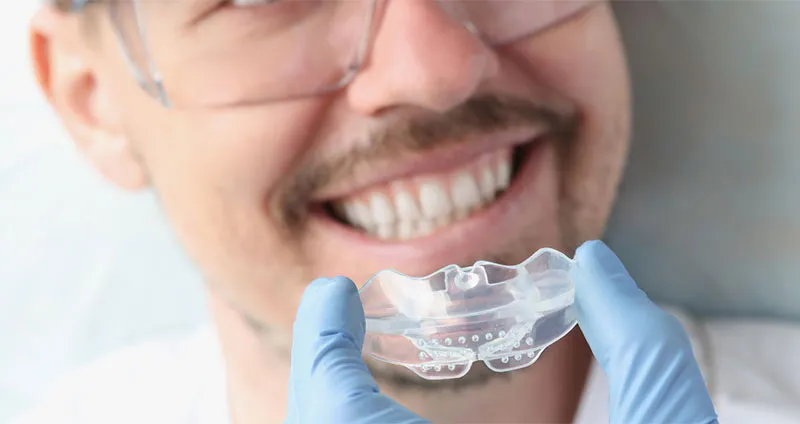
Bruxism, or teeth grinding, often occurs during sleep and can lead to worn enamel, cracked teeth, jaw pain, and headaches that a night guard can help prevent.
A study found that children with heart conditions were twice as likely to have poor dental health, reinforcing the link between oral and cardiovascular health.
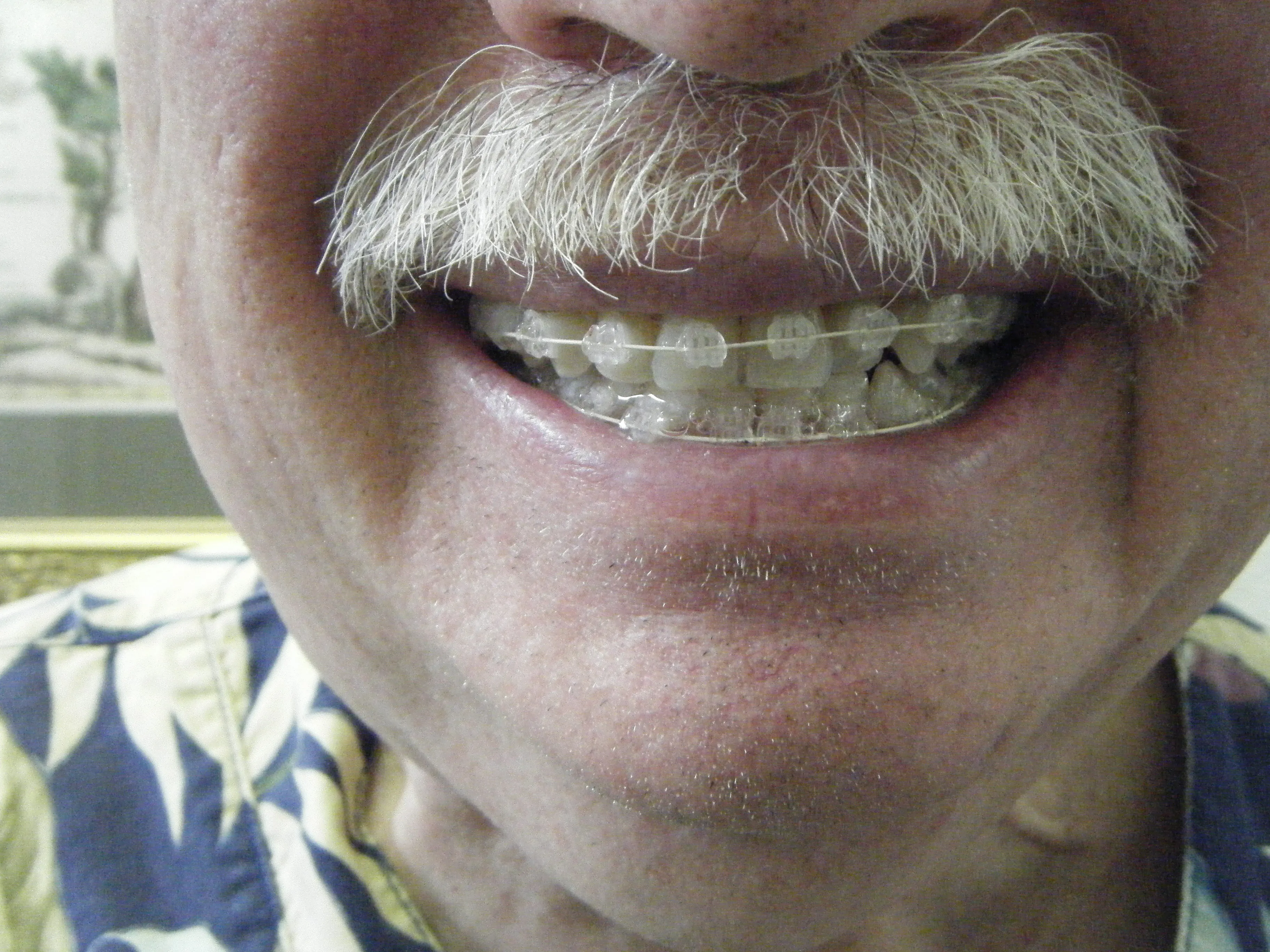
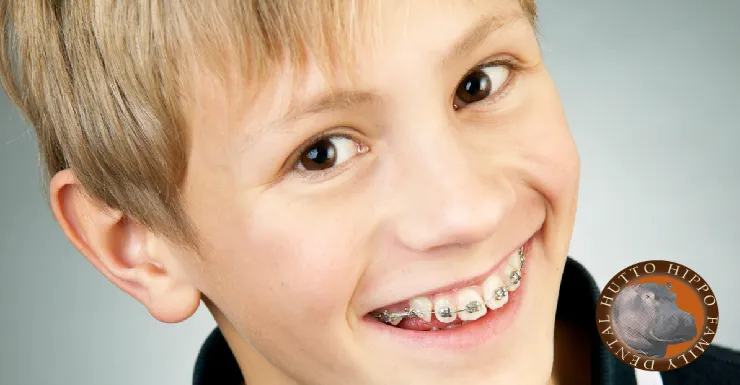
Remote work and video calls have driven a surge in adults seeking braces and clear aligners to correct crooked teeth, gaps, and bite issues at any age.
General dentists hold a DDS or DMD degree, while specialists like orthodontists, periodontists, endodontists, and oral surgeons complete additional training.
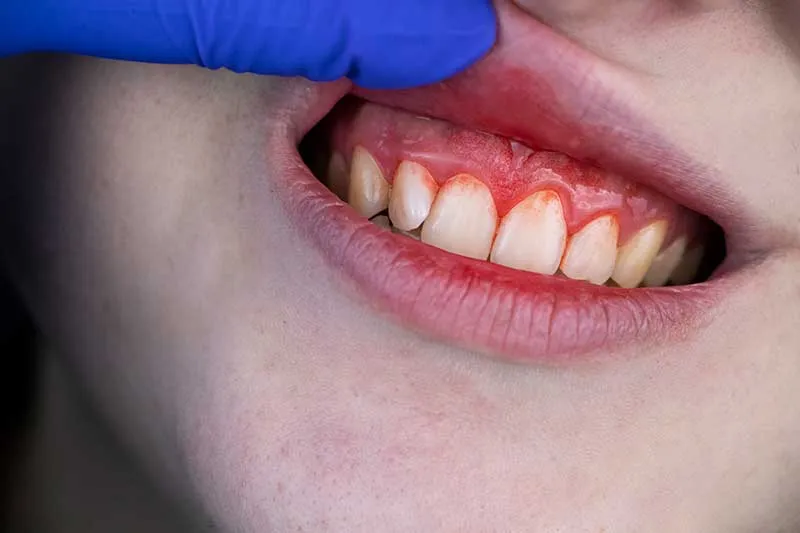
Rising hormones during puberty, pregnancy, and menopause make gum tissue more sensitive to bacteria, increasing the risk of gingivitis and periodontal disease.
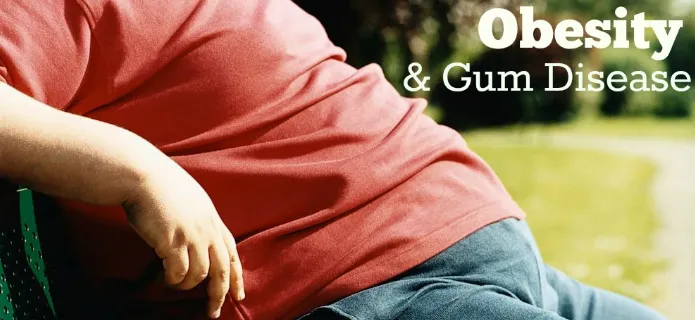
Research confirms obesity significantly raises gum disease risk, and weight loss can improve both systemic health and the condition of periodontal tissue.
Dental history stretches back to 7000 B.C., with major breakthroughs in the 1700s when extractions, dentures, and early fillings became more common treatments.
A University of Pennsylvania study found wisdom teeth removal patients showed improved taste sensitivity decades later, suggesting unexpected sensory benefits.
A Science Daily report found people who lose multiple teeth have a significantly higher risk of developing dementia, linking oral health to cognitive function.
A National Institute on Aging study found gum disease bacteria in the brains of Alzheimer's patients, suggesting a direct biological link between the two.
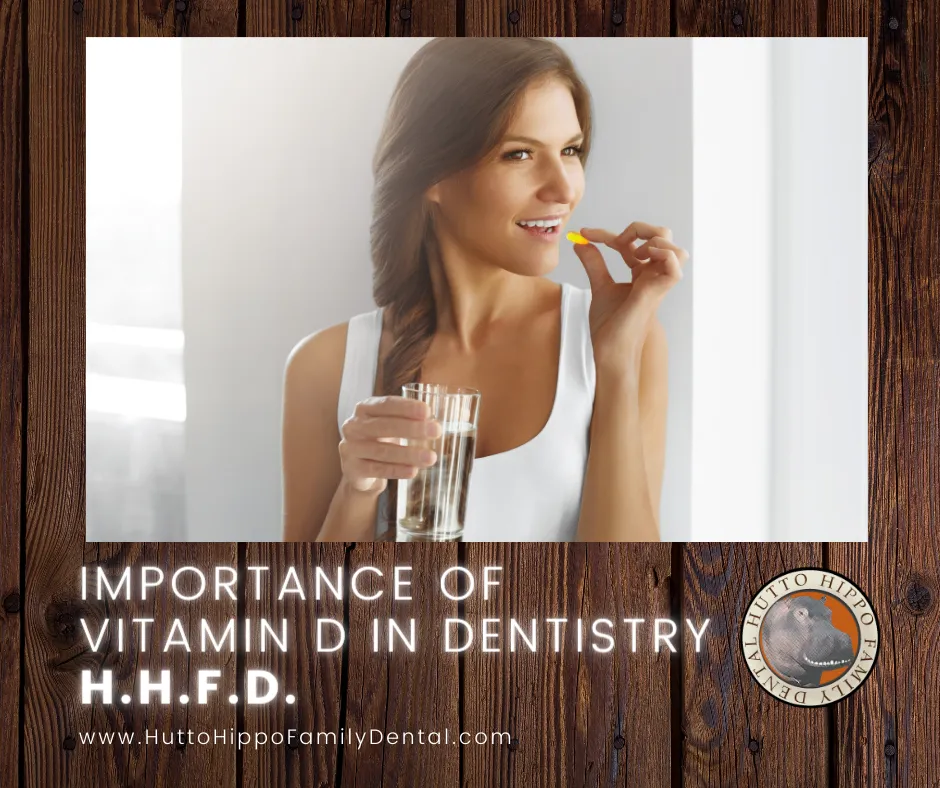
Vitamin D helps absorb calcium and phosphate essential for tooth enamel and bone health, and deficiency raises the risk of cavities and periodontal disease.
Hormonal changes during puberty, menstruation, pregnancy, and menopause increase gum sensitivity, raising women's risk for gingivitis and periodontal disease.
Hutto Hippo Family Dental launched a Spanish-language website to better serve the Spanish-speaking community in Hutto and the surrounding Central Texas area.
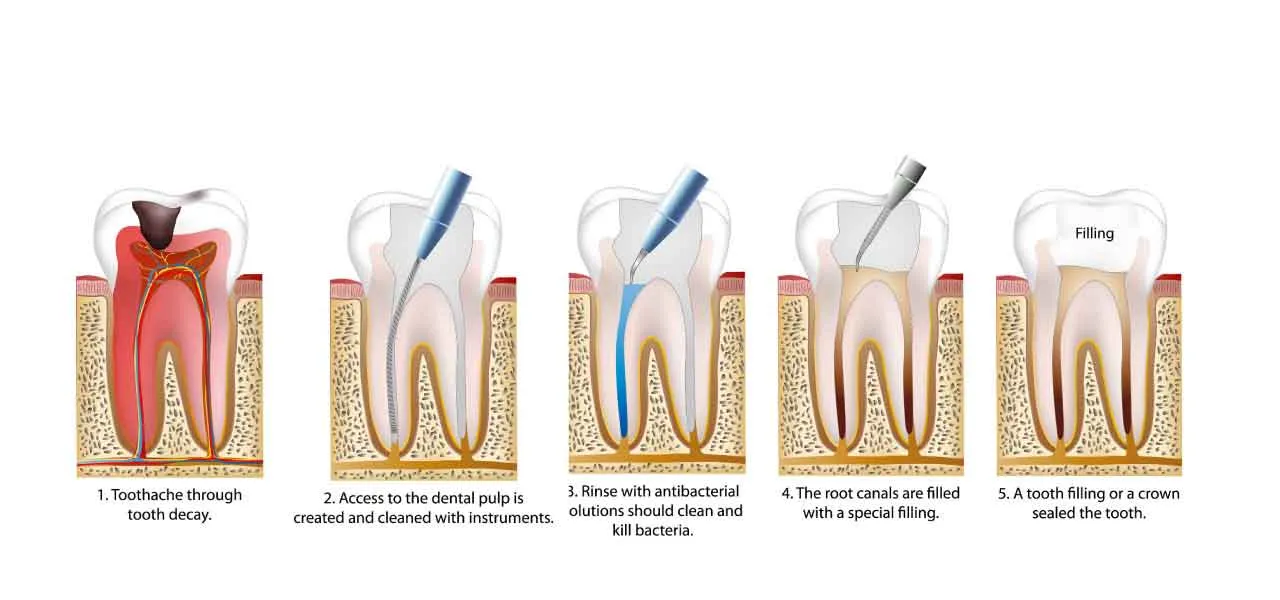
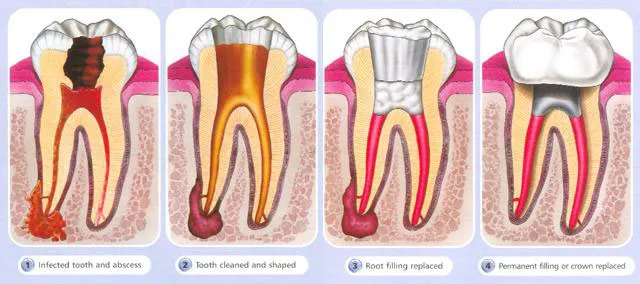
Saving a tooth with root canal treatment is preferable to extraction because tooth loss leads to bone loss and requires costly replacements like implants.
Mask breath comes from recirculated exhaled air revealing dry mouth and bacteria, and improving your oral hygiene is the most effective long-term solution.
Turkey, cheese, and nuts at Thanksgiving benefit your teeth, especially when followed by water and prompt brushing to limit damage from sugary desserts.
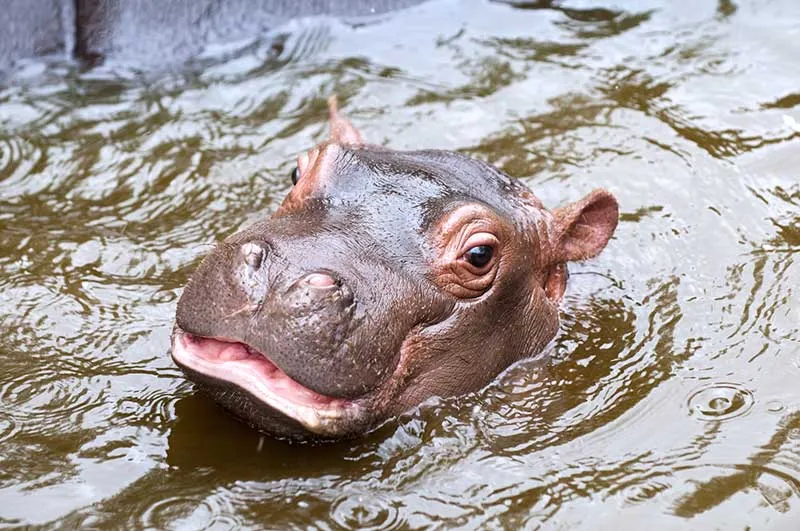
In 1915 a circus hippopotamus escaped and found Cottonwood Creek in Hutto, Texas, launching the legend that inspired Hutto Hippo Family Dental's mascot.
Pandemic stress caused a spike in teeth grinding, leading to cracked teeth, jaw pain, and worn enamel in patients who had never previously had bruxism.
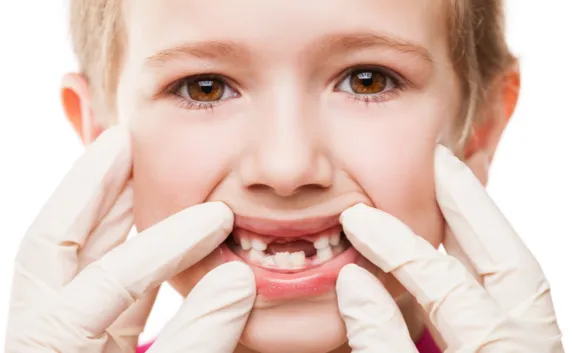
Baby teeth guide permanent teeth into proper alignment and support chewing and speech, so protecting them from decay is vital even before adult teeth arrive.
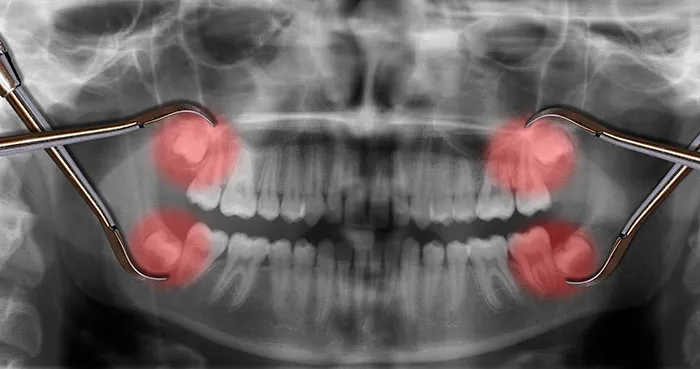
Modern dietary changes over 150 years have caused human jaws to shrink, leading to more crowded teeth, misaligned bites, and impacted wisdom teeth today.
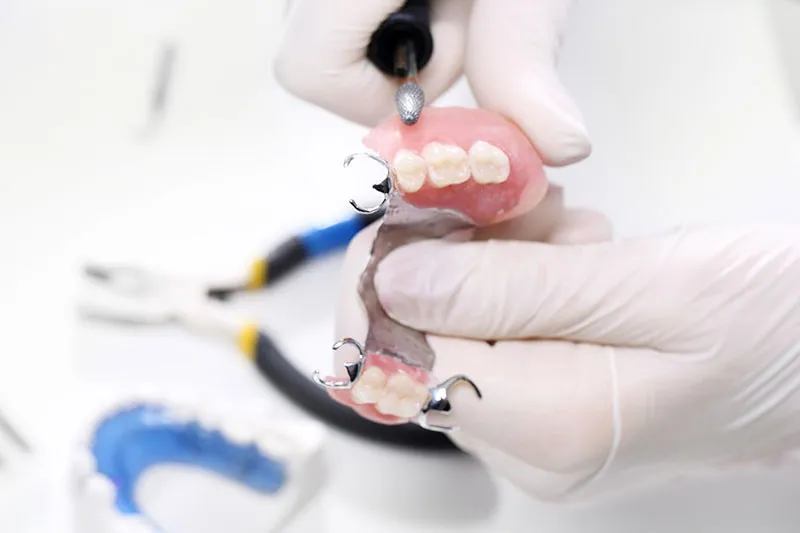
Older adults face tooth loss, dry mouth, and root decay, but modern solutions including implants, dentures, and deep cleaning can restore function and comfort.
Elite athletes suffer high rates of cavities and gum disease despite good hygiene, due to sports drinks, energy gels, and mouth breathing during exercise.
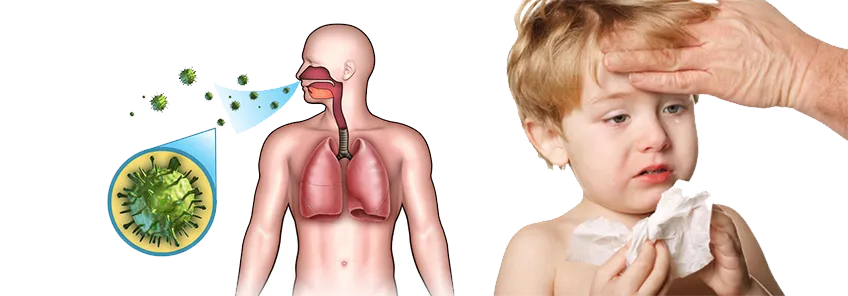
Gum disease bacteria weaken the immune system, potentially making patients more susceptible to severe illness from COVID-19 and other viral infections.
Texas dental offices reopened in May 2020 under executive order guidelines requiring masks, temperature checks, questionnaires, and enhanced sterilization.
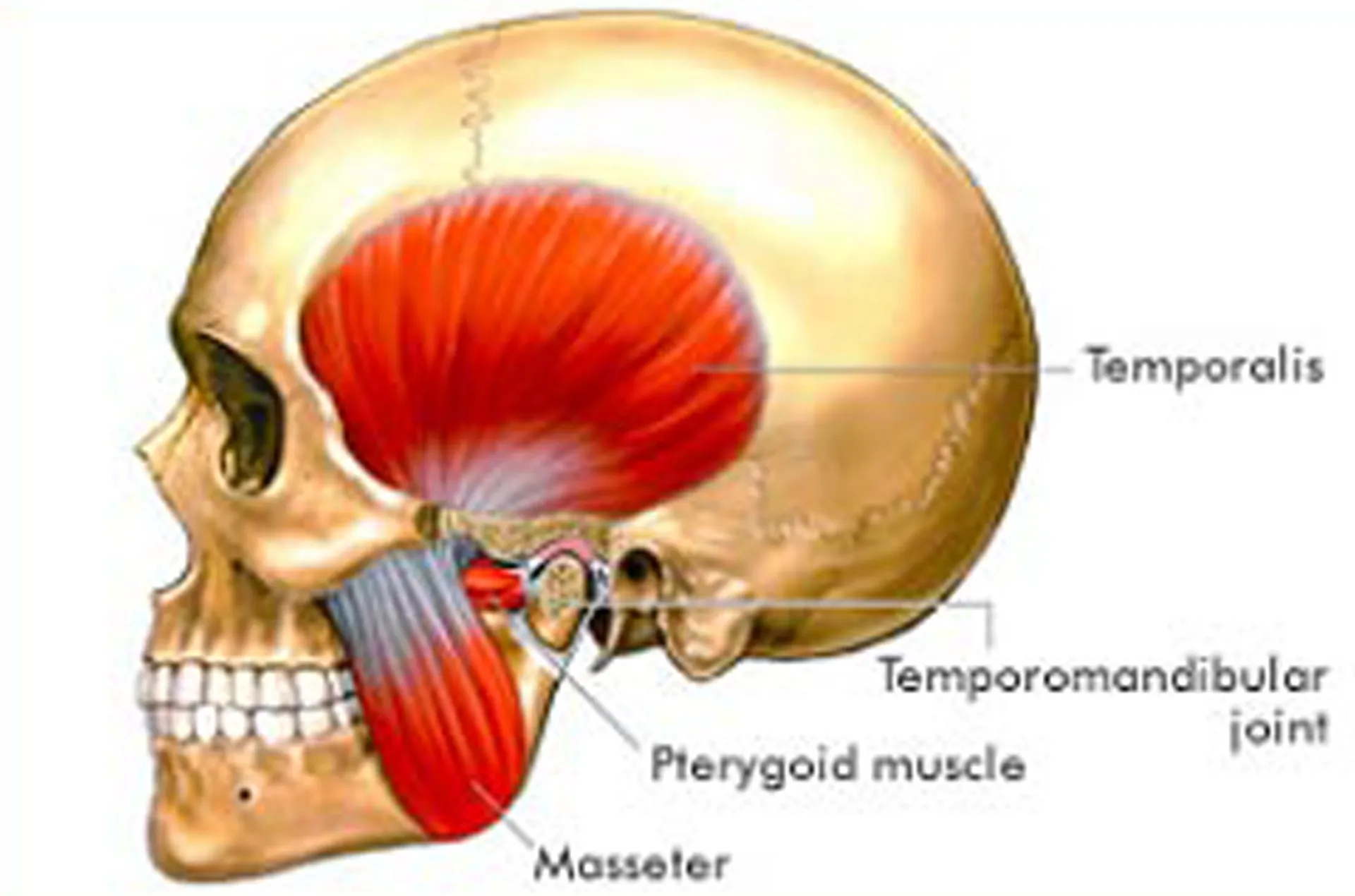
Jaw pain, clicking, and limited movement are common symptoms of TMJ disorders, which dentists can diagnose and treat with a variety of non-surgical approaches.
Water fluoridation began in Grand Rapids in 1945 and is recognized as one of the most effective public health measures ever taken to prevent tooth decay.
Researchers found that adult molar dentin records a lifetime of health data starting in the womb, revealing vitamin deficiencies and past disease history.
Researchers found a gum cell that detects chemical byproducts from harmful oral bacteria and activates the immune system to defend against gum disease.
Studies show patients with advanced gum disease have higher blood pressure and respond less effectively to blood pressure medication than healthy patients.
Despite good hygiene, elite athletes suffer high rates of cavities and gum disease due to sports drinks, energy gels, and mouth breathing during exercise.
Caregivers helping elderly or disabled loved ones with dental hygiene can follow ADA guidelines for safe, effective tooth brushing, flossing, and denture care.
The ADA recommends packing a travel dental kit, locating a dentist at your destination in advance, and staying consistent with brushing while traveling.
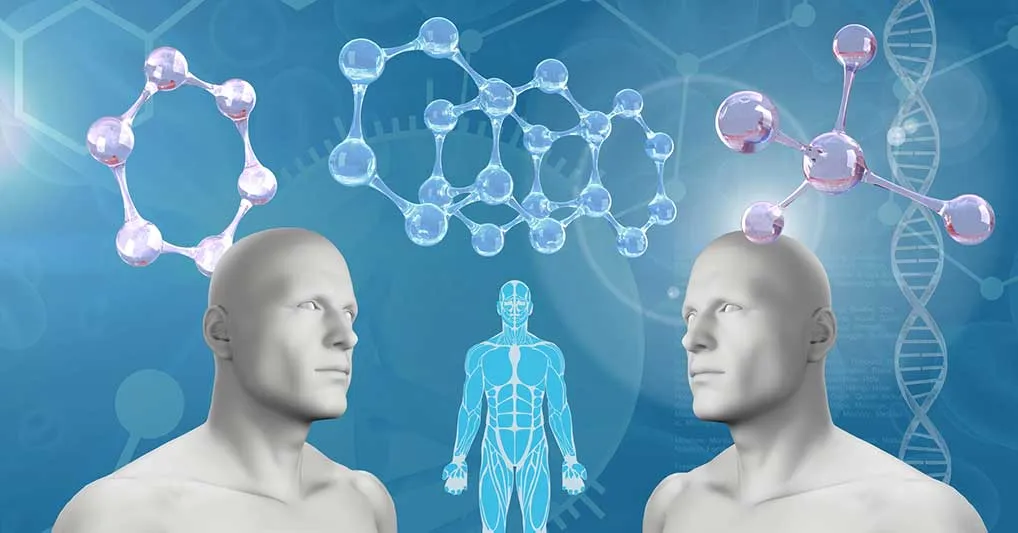
A University of Melbourne twin study confirmed genetics plays a minimal role in dental health, with diet and hygiene being the key determining factors.
University of Pennsylvania researchers developed micro-robots that remove dental biofilm from tooth surfaces, offering a breakthrough in plaque control.
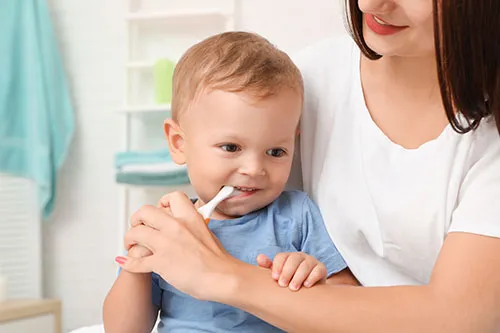
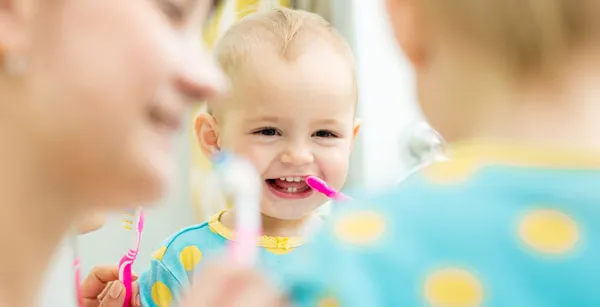
The American Academy of Pediatrics recommends fluoride toothpaste as soon as a baby's first tooth appears, using just a rice-grain-sized amount until age three.
Brief sensitivity after a filling is normal, but persistent pain weeks later may indicate a high bite, cracked tooth, or failed restoration needing care.
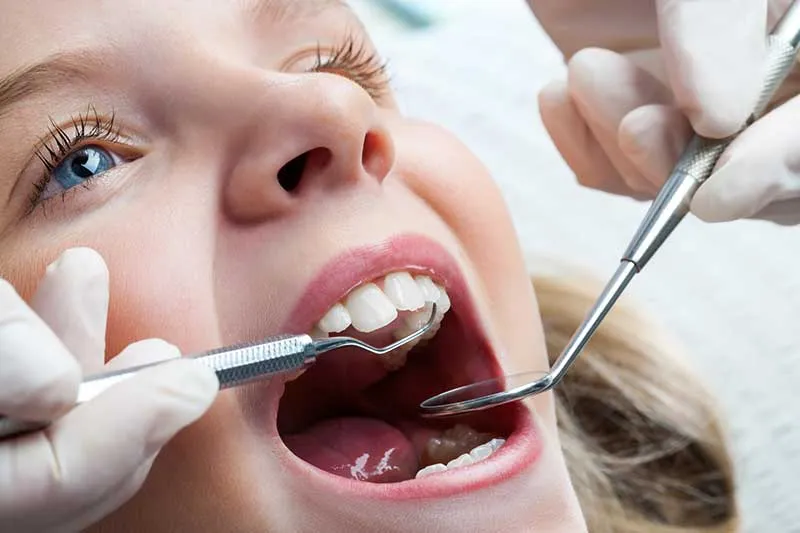
Regular dental checkups and cleanings are essential for detecting problems early and maintaining oral health, with visit frequency tailored to individual risk.
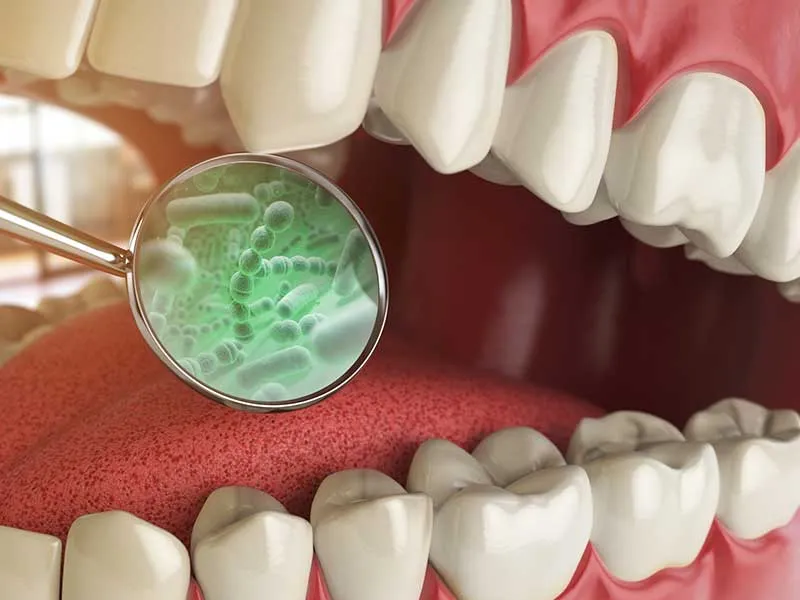
Overusing antibiotics disrupts the balance of oral bacteria, weakening the microbiome that protects teeth and gums and contributing to resistant infections.
A University of Pennsylvania trial used stem cells from baby teeth to regenerate pulp in injured children's teeth, restoring sensation and tooth function.
Common dental myths, like sugar directly causing cavities or bleaching always being harmful, have been debunked by current dental research and ADA guidance.
Medical research confirms smiling and laughing reduce stress hormones and release endorphins, making healthy teeth that inspire confidence a real health asset.
Diabetes and gum disease share a bidirectional link, where uncontrolled blood sugar worsens gum health and gum disease makes blood sugar harder to control.
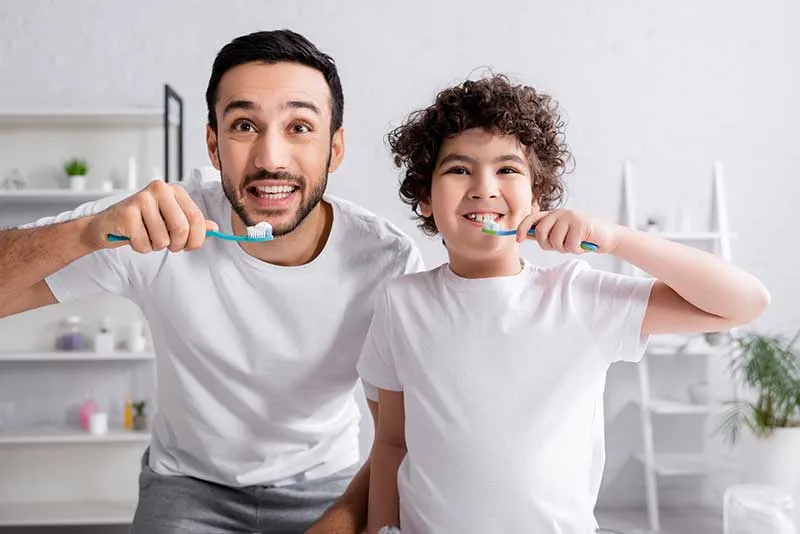
Children tend to mimic their parents, so modeling positive dental habits at home is one of the most effective ways to reduce your child's dental anxiety.
University of Florida researchers are studying beneficial oral bacteria that neutralize acid, potentially leading to a probiotic pill to prevent cavities.
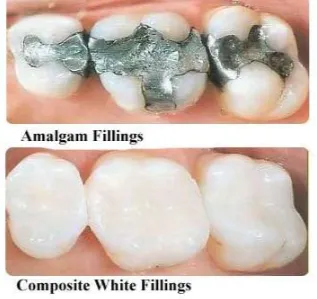
Oregon State researchers found bioactive glass in composite fillings resists bacterial attack and releases minerals that remineralize the surrounding tooth.
Teeth are essential for chewing food to support digestion, maintaining facial bone structure, enabling clear speech, and keeping adjacent teeth aligned.
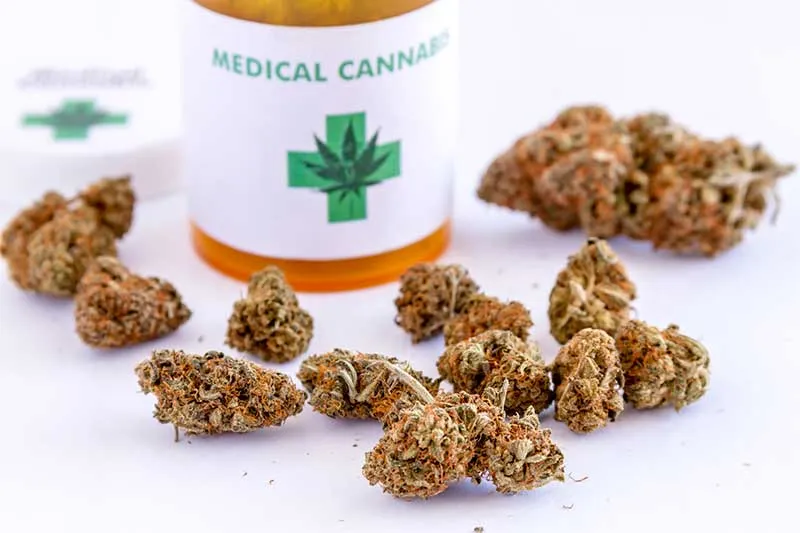
The ADA links recreational marijuana use to significantly higher rates of periodontal disease, the leading cause of adult tooth loss in the United States.
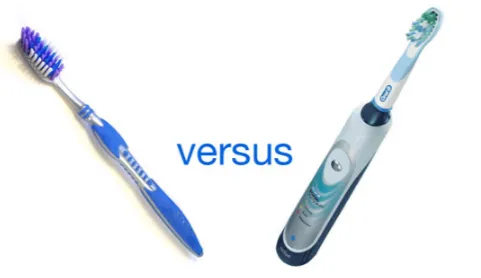
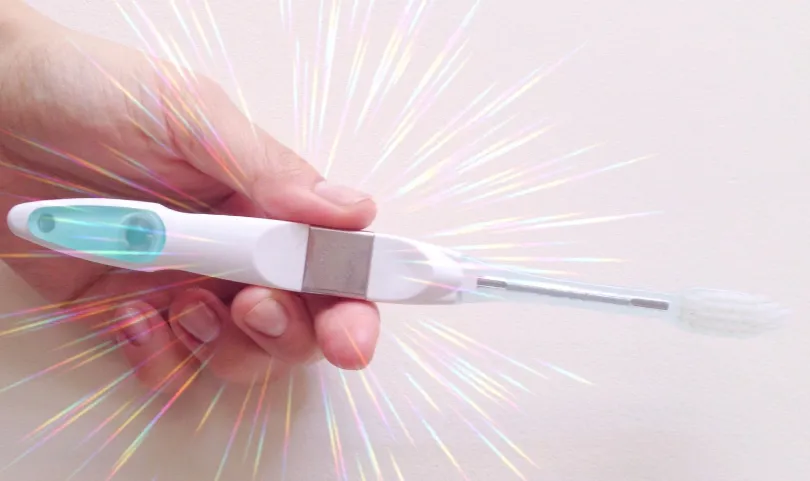
Ionic toothbrushes use electrically charged ions to reverse the polarity on tooth surfaces, causing plaque to repel away rather than just being scrubbed off.
Using a therapeutic mouthwash after brushing helps reduce plaque, fight bacteria, freshen breath, and provide additional fluoride protection for teeth and gums.
Milk, eggs, leafy greens, nuts, and crunchy vegetables are among the best tooth-friendly foods for calcium content, saliva stimulation, and cleaning action.
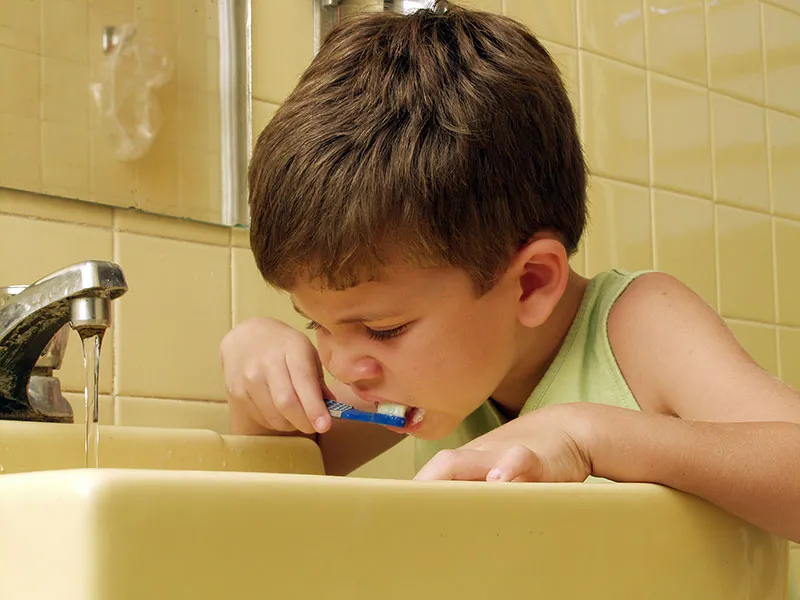
Simple choices like avoiding ice chewing, limiting sugary snacks, drinking more water, and brushing properly make a big difference in long-term dental health.
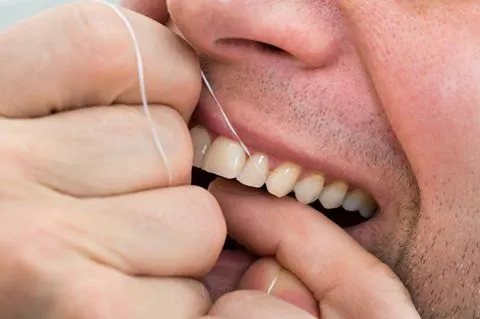
Flossing too aggressively can damage gums, while proper technique requires a gentle C-shaped motion around each tooth to remove plaque without injuring tissue.
New antibacterial coatings and surface technologies are increasing implant success rates by reducing infection risk and improving post integration into bone.
Plastic microbeads in some toothpastes become trapped in gum tissue and harbor bacteria that contribute to gingivitis, prompting Congress to ban the ingredient.
Psychology Today confirms smiling makes you appear more attractive and trustworthy while triggering positive mood responses in both the smiler and observer.
Research shows children from high-conflict homes have significantly more decayed, missing, and filled teeth than those in less stressful family environments.
Patients who skip dental care are 86 percent more likely to develop pneumonia, as oral bacteria can be inhaled into the lungs and cause respiratory infection.
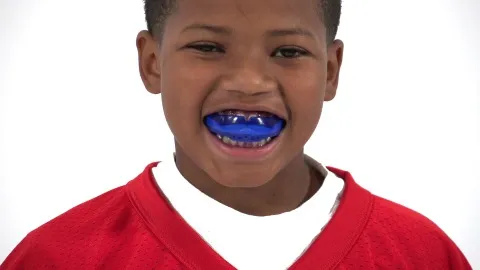
Custom-fitted mouthguards from a dentist protect children and adults in contact sports by cushioning impacts that could crack or knock out teeth during play.
After smoking, obesity is the second-greatest gum disease risk factor, because body fat triggers inflammatory responses that damage gum and bone tissue.
Eating Halloween candy with meals, avoiding sticky sweets, and brushing thoroughly are ADA-recommended ways to protect children's teeth during the holiday.
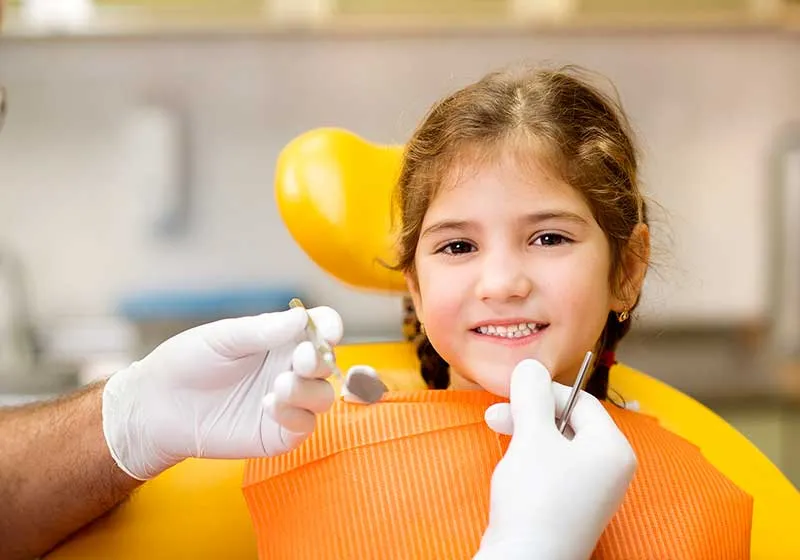
Helping children overcome dental fear means explaining what to expect, staying calm, and choosing a dentist skilled at making young patients feel safe.
The American Academy of Pediatric Dentistry recommends a first dental visit by age one to catch early decay, build good habits, and ease dental anxiety.
The ADA emphasizes flossing removes plaque between teeth where brushing cannot reach, preventing the gum disease that affects nearly half of American adults.
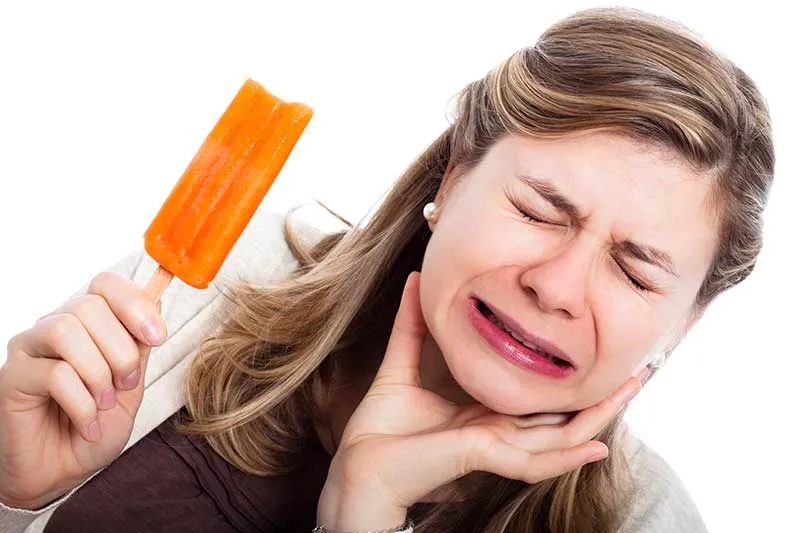
Tooth sensitivity is typically caused by worn enamel, exposed roots, or cavities, and can be treated with desensitizing toothpaste, fluoride, or bonding.
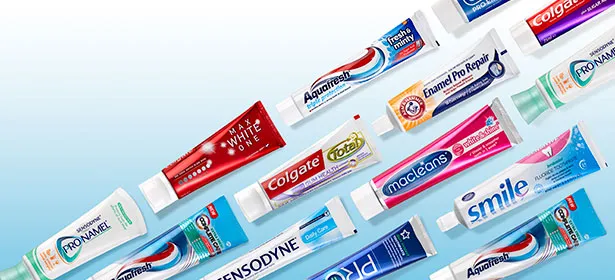
Sensitivity toothpastes like Sensodyne use potassium nitrate or stannous fluoride to build tolerance to temperature and pressure over regular daily use.
BioMinF is a breakthrough toothpaste ingredient that slowly releases calcium, phosphate, and fluoride over hours to repair enamel and reduce tooth sensitivity.
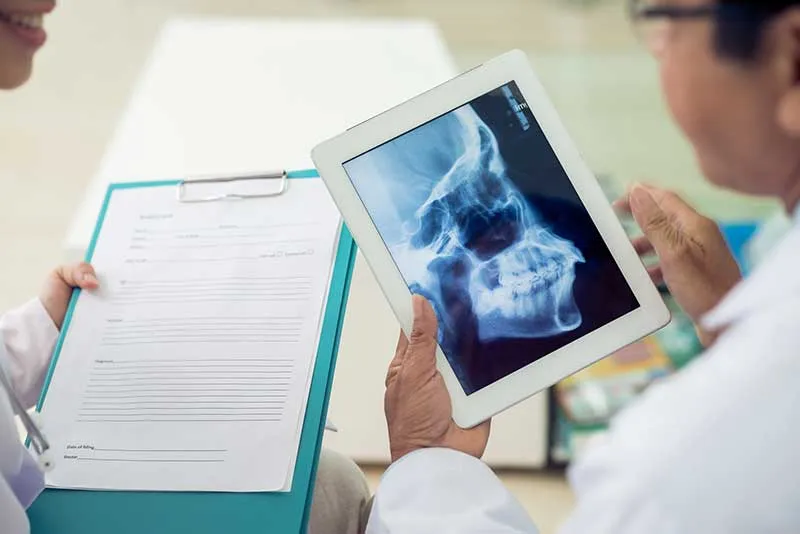
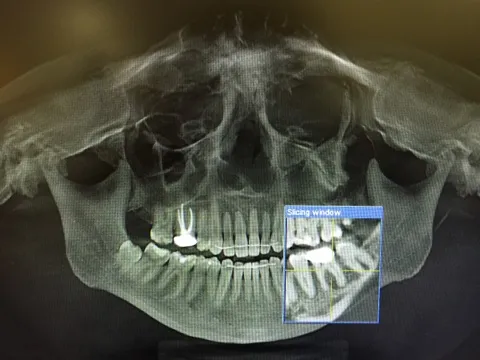
Dental x-ray frequency depends on your individual decay and gum disease risk rather than a fixed schedule, so your dentist determines when they are needed.
Researchers are exploring how beneficial oral bacteria can neutralize acid in the mouth, potentially leading to a probiotic pill that prevents tooth decay.
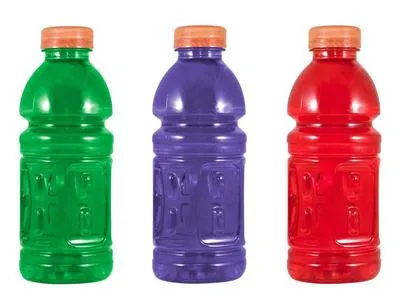
Sports drinks like Gatorade are high in sugar and acid that erode enamel, making water a healthier choice for hydration during exercise and sports activities.
Loloz lollipops contain a natural compound that targets the bacteria responsible for cavities and gum disease, offering a sweet way to support oral health.
Root canals don’t deserve their scary reputation. We debunk the top myths about pain, illness risk, and why saving your natural tooth is almost always the better choice.
The ADA recommends choosing a fluoride toothpaste with the ADA Seal of Acceptance to ensure it meets standards for safety, effectiveness, and cavity prevention.
Bad breath often comes from bacteria, dry mouth, gum disease, or certain foods, and daily brushing, flossing, tongue cleaning, and checkups can eliminate it.
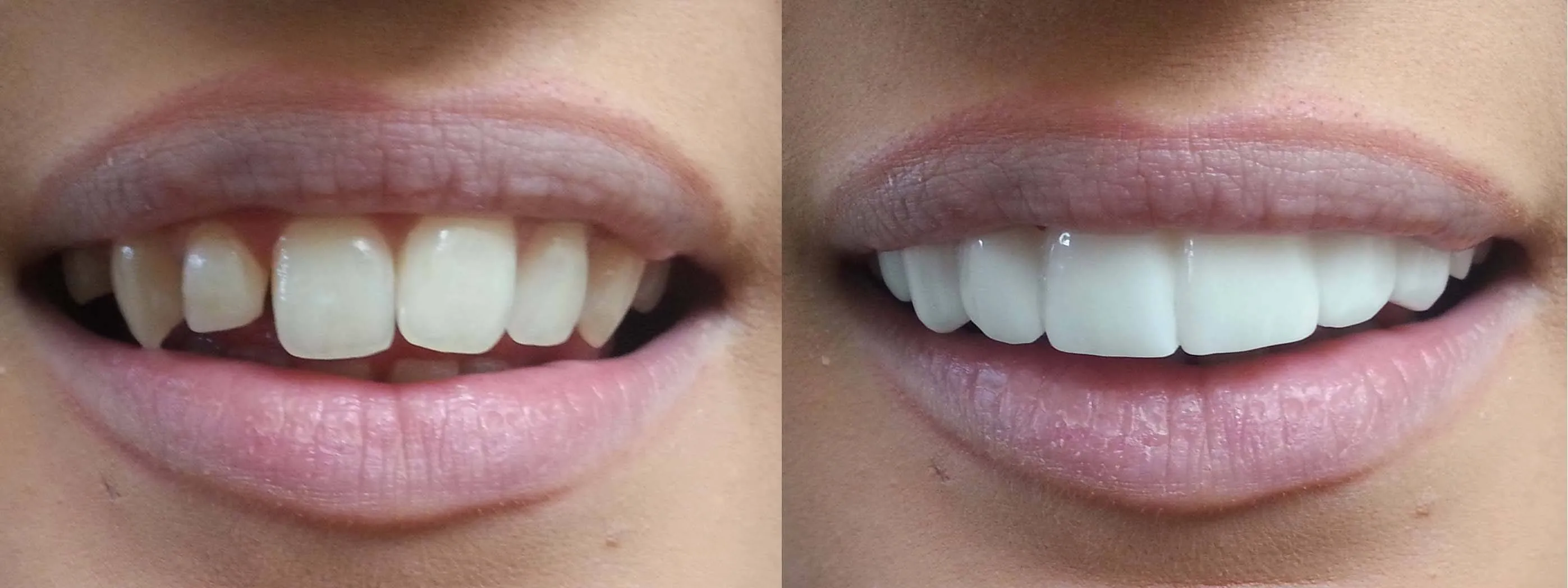
Porcelain veneers are custom shells bonded to the front of teeth to correct discoloration, chips, gaps, and misalignment for the Hollywood smile you want.
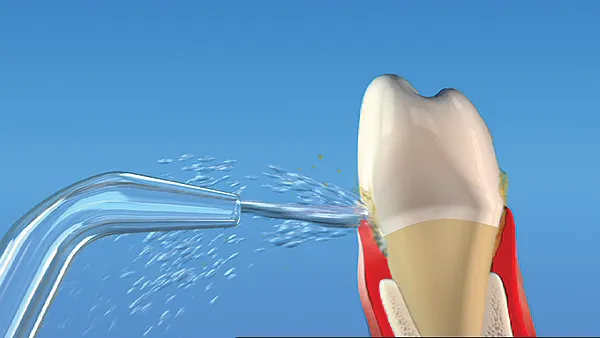
The Waterpik water flosser removes plaque and food below the gumline, reducing gum disease risk especially for patients with braces, bridges, or implants.
Pregnancy hormones can cause gum swelling, sensitivity, and bleeding, making regular dental cleanings and good oral hygiene vital for expectant mothers.
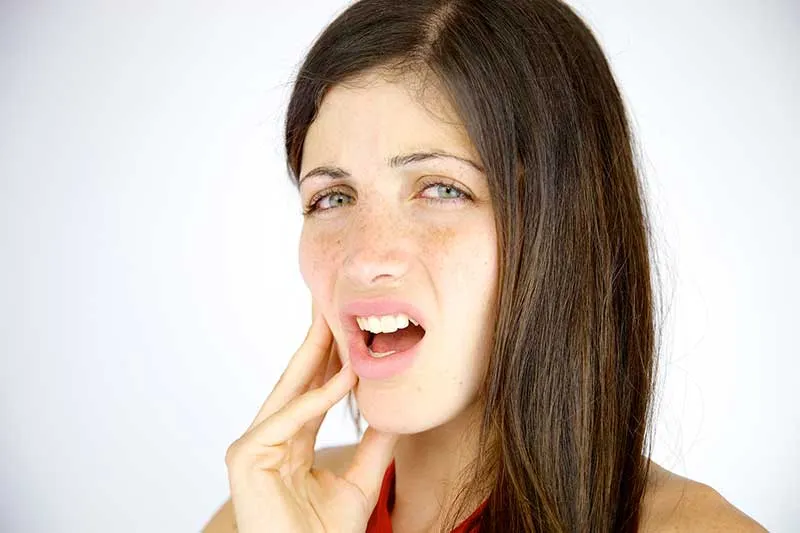
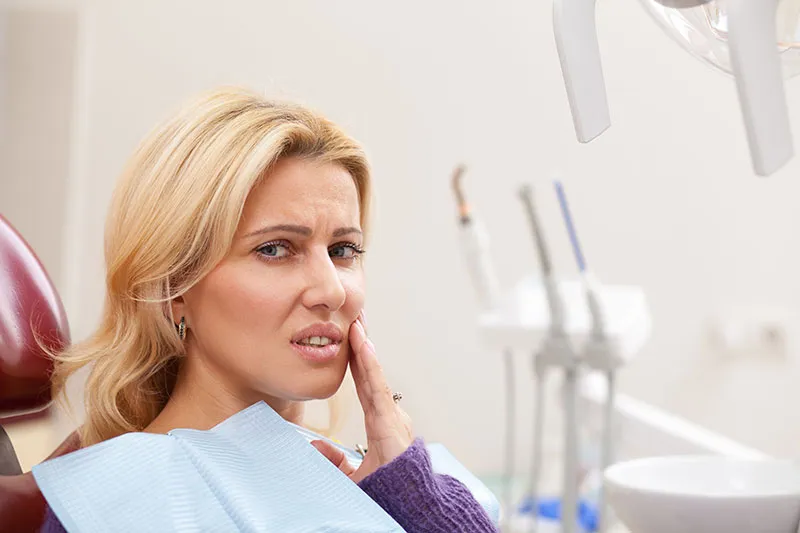
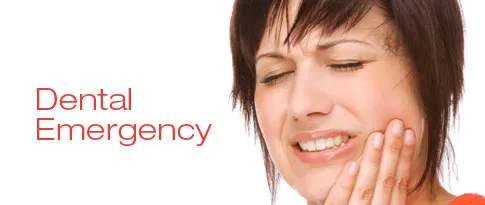
Salt water rinses, over-the-counter pain relievers, and clove oil can temporarily ease toothache pain until you can see your dentist for proper treatment.
Starting dental care in infancy, limiting sugary drinks, brushing twice daily, and the first dental visit by age one protects your child's developing teeth.
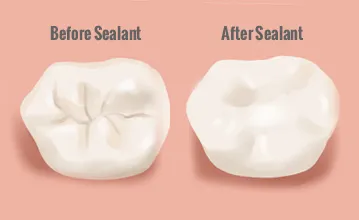
Dental sealants are plastic coatings applied to the chewing surfaces of back teeth that block bacteria and food from reaching the enamel and causing cavities.
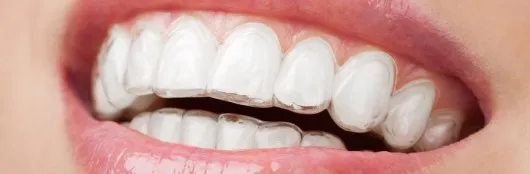
ClearCorrect is a clear aligner system using custom transparent trays to gradually straighten teeth without the metal brackets or wires of traditional braces.
A tooth that darkens after an injury may have damaged pulp. Learn what treatments—root canal, whitening, veneers, or crowns—can restore its appearance.
Harvard-led research suggests low-powered lasers may stimulate stem cells to regenerate dentin, potentially replacing drilling and fillings in future dentistry.
While some studies suggest compounds in red wine may limit oral bacteria, the ADA cautions it is not an effective or practical cavity prevention method.
Chewing sugarless gum after meals is ADA-approved because it stimulates saliva flow that washes away acids and food particles for a modest cavity benefit.
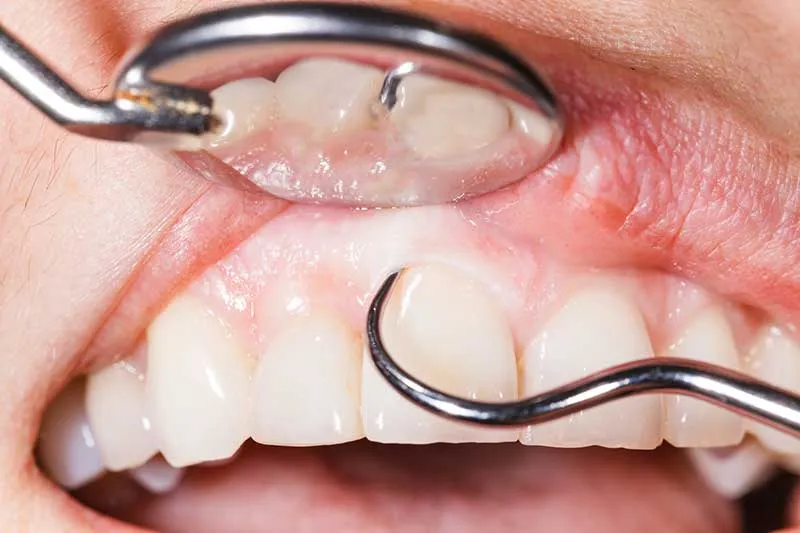
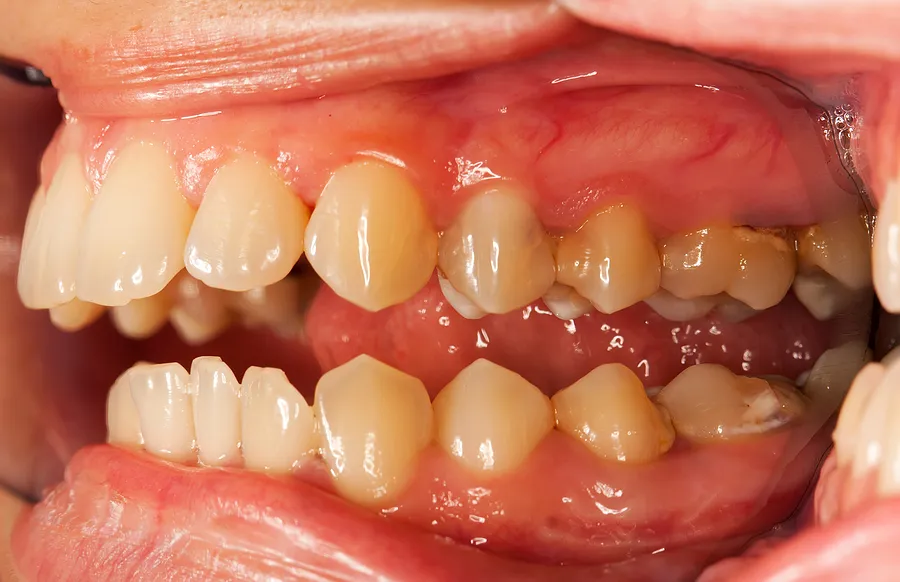
Gingivitis is early reversible gum inflammation without bone loss, while periodontal disease involves irreversible bone loss requiring professional treatment.
The ADA confirms that a diet low in sugar and rich in calcium, phosphates, and fibrous vegetables helps protect tooth enamel and support healthy gum tissue.
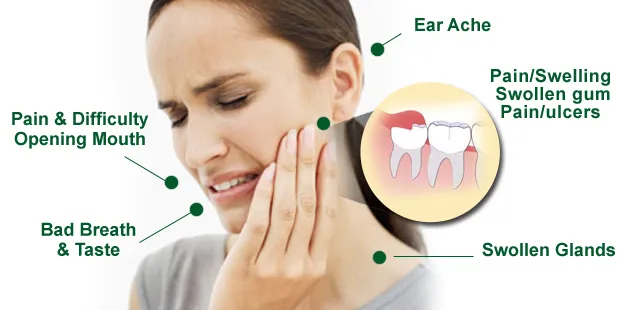
Most dentists recommend removing wisdom teeth that are impacted, cause crowding, or risk infection, typically between ages 17 and 25 for easiest recovery.
Hutto Hippo Family Dental offers a warm atmosphere and techniques like LANAP laser therapy that make dental visits more comfortable for anxious patients.
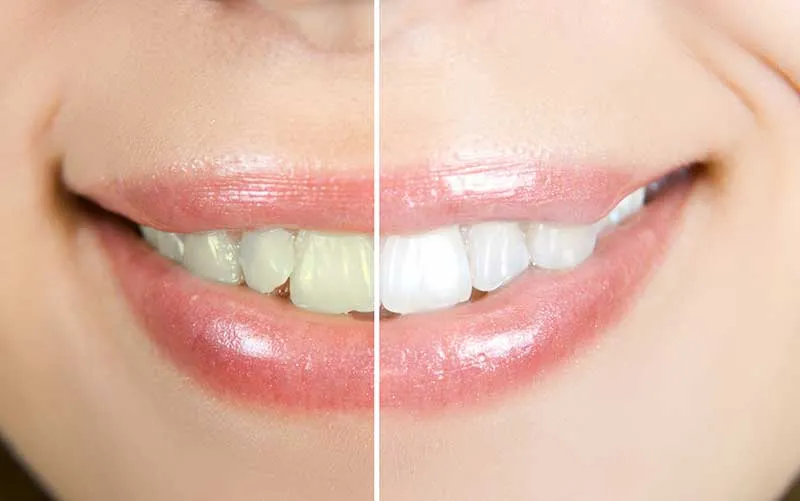
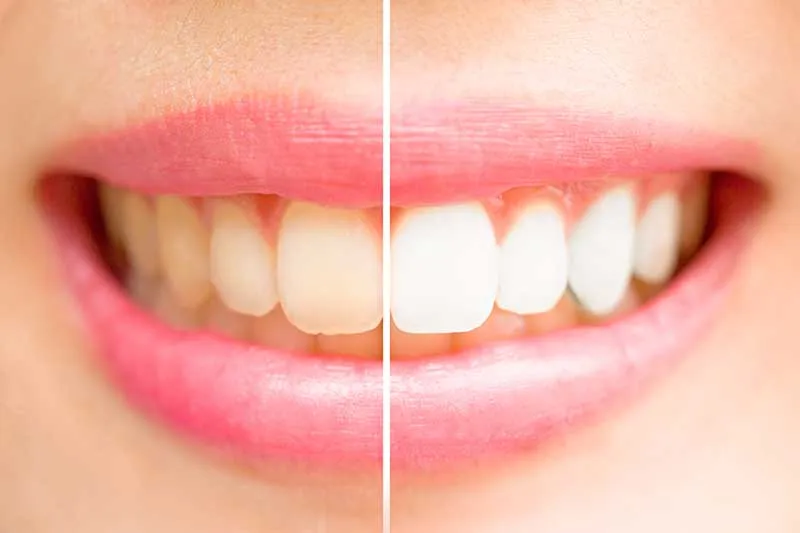
People whiten teeth to reverse staining from coffee, tea, wine, and aging, and professional bleaching provides the safest and most effective lasting results.
The most common causes of tooth loss are gum disease, untreated cavities, injury, smoking, and poor nutrition, most of which are preventable with regular care.
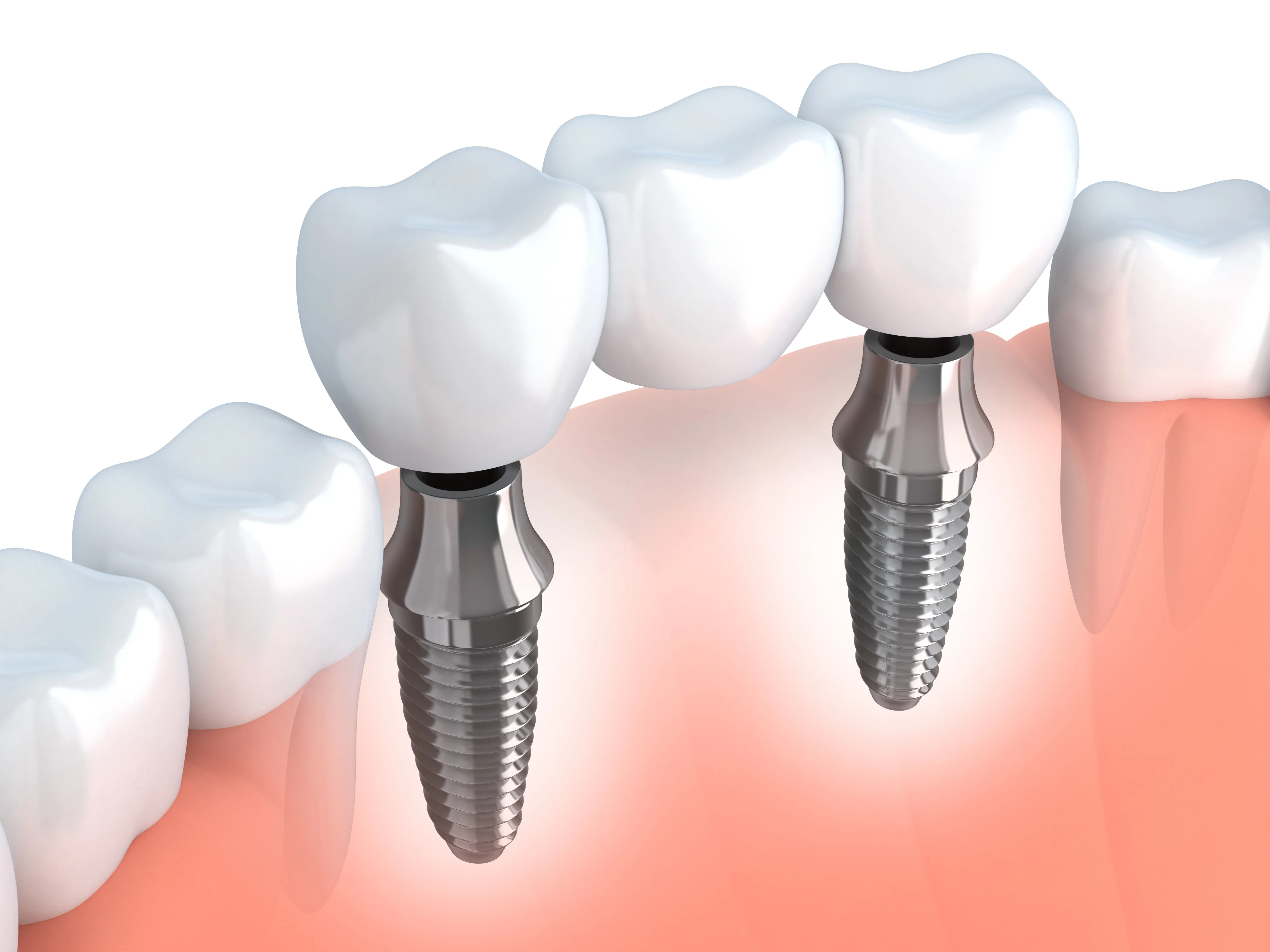
Dental implants are titanium roots that support permanent crowns and preserve jawbone, offering a more stable solution than bridges or removable dentures.
Cosmetic dentistry using porcelain veneers and bonding can transform crooked, discolored, or chipped teeth into a bright, aligned Hollywood-worthy smile.
Regular cleanings with daily brushing and flossing prevent the gum disease affecting half of adults over 30 and leading to an average of 12 lost teeth.