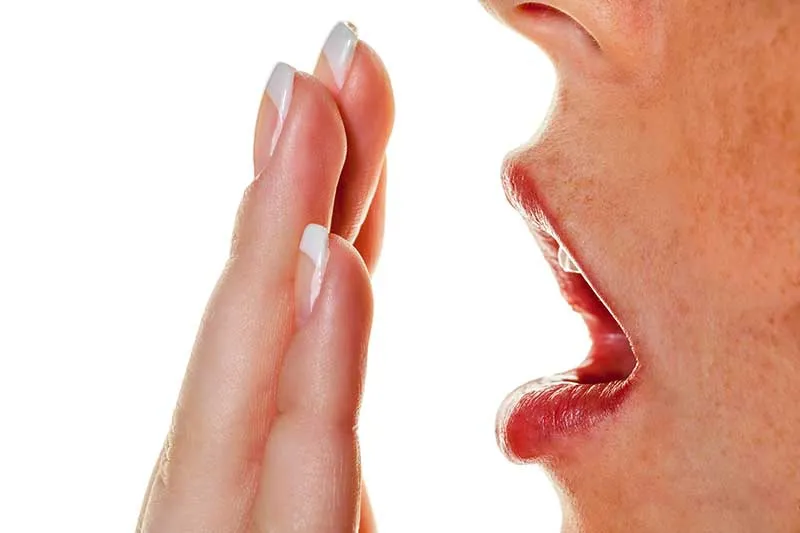
Bad breath is caused by poor hygiene, gum disease, dry mouth, certain foods, tobacco, and digestive issues, all of which require different treatment approaches.
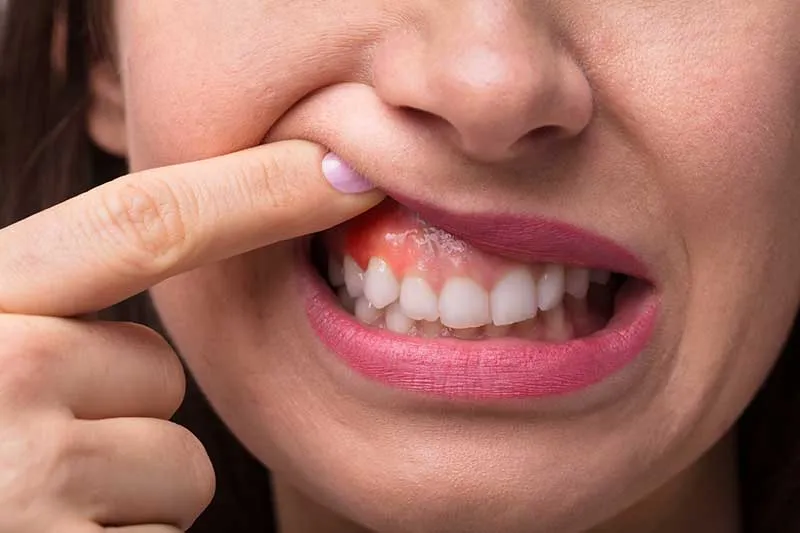
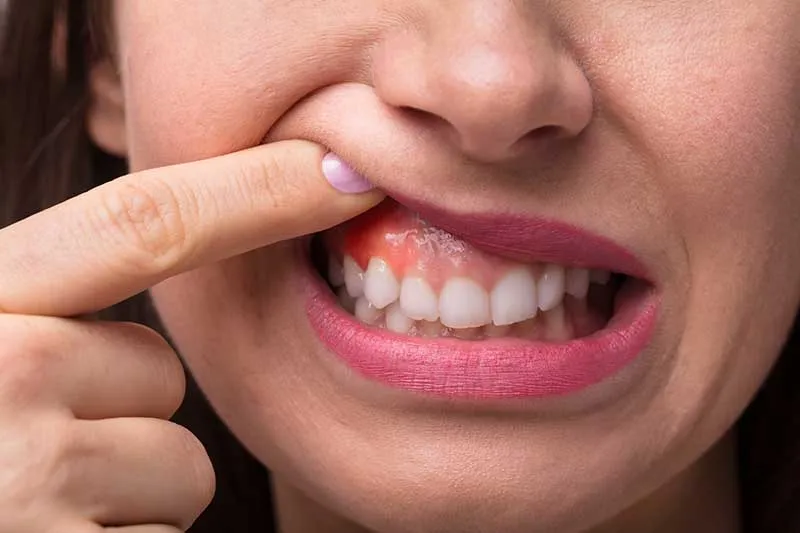
Swollen gums can be caused by gingivitis, infection, hormonal changes, or vitamin deficiency, and prompt dental care prevents the condition from worsening.
Bad breath on Valentine's Day can be prevented by addressing poor dental hygiene, dry mouth, certain foods, and underlying gum disease before the holiday.
Bad breath is caused by bacteria, food breakdown, tobacco, and gum disease, but daily brushing, flossing, and regular cleanings can keep halitosis in check.
Smoking and vaping restrict blood flow to gum tissue, causing recession, bone loss, and increased susceptibility to gum disease that may cause tooth loss.
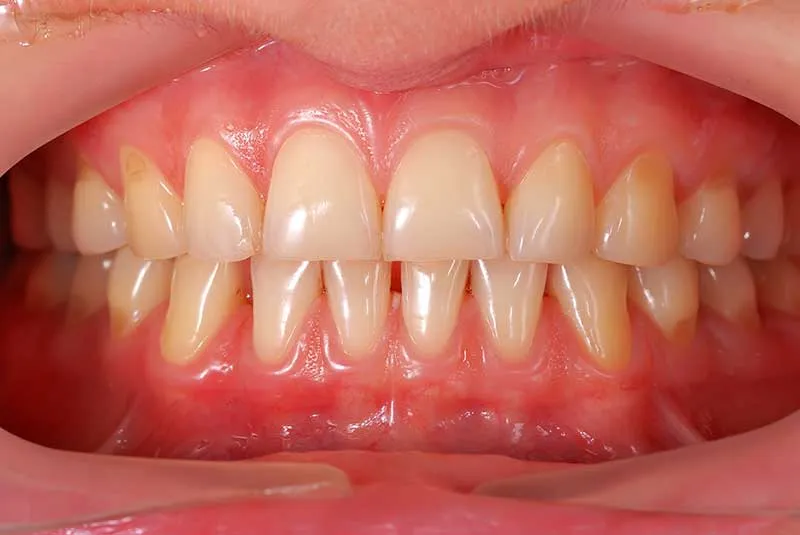
Periodontal disease is the leading cause of gum recession, which exposes tooth roots, causes sensitivity, and can lead to loose teeth if left untreated.
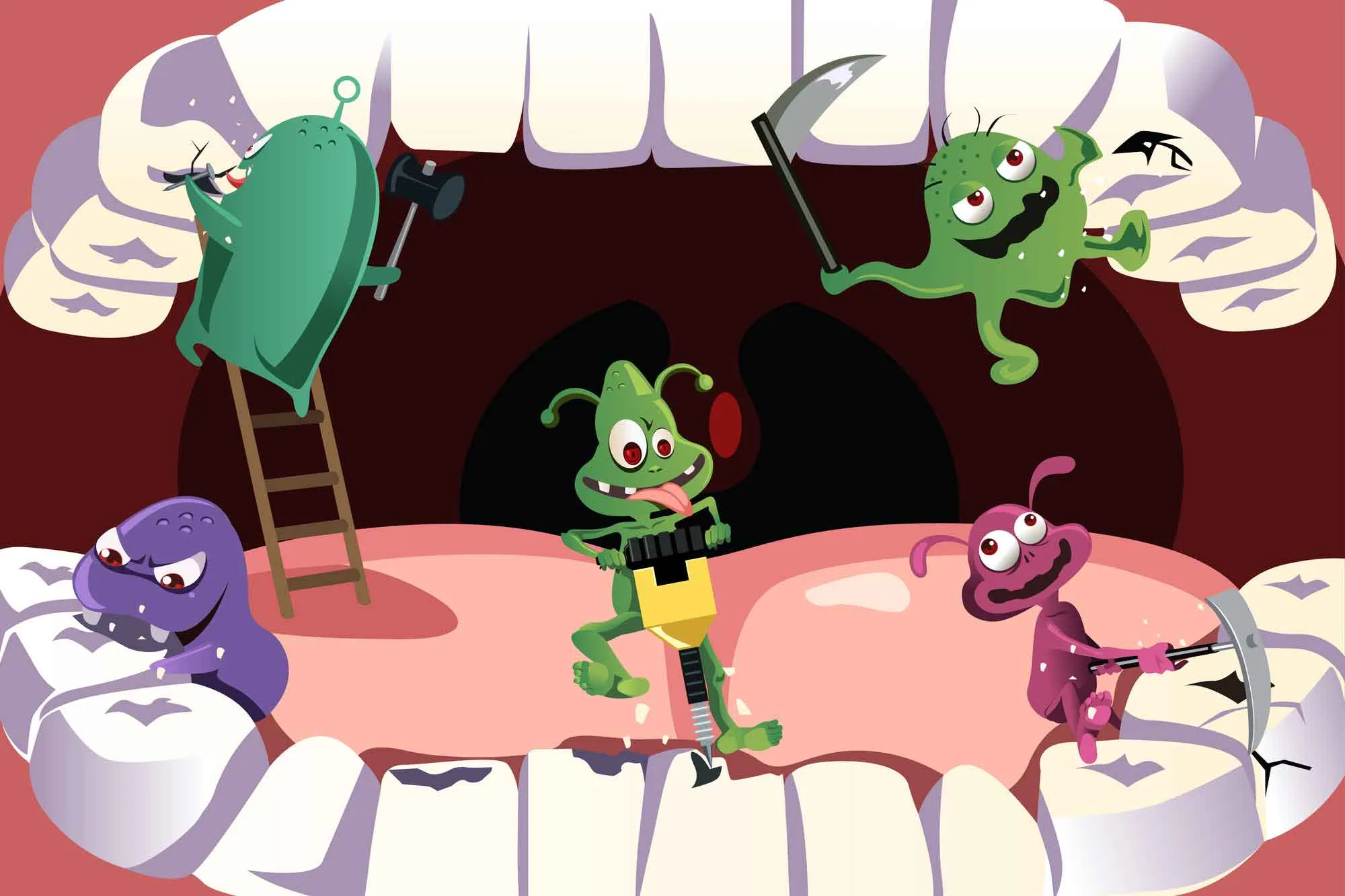
Harmful bacteria responsible for cavities and gum disease organize into protective biofilm communities, making them harder to eliminate with brushing alone.
Gum pain may come from aggressive brushing, ill-fitting appliances, gum disease, or abscess, and a dentist can pinpoint the source and provide proper treatment.
Aching gums can often be relieved at home with salt water rinses, tea bag compresses, and cold compresses until you can see your dentist for proper treatment.
A gum lift reshapes or removes excess gum tissue to reduce a gummy smile, create more uniform gum lines, and improve the overall aesthetics of your smile.
Chronic dry mouth reduces the saliva needed to neutralize acids and wash away food, increasing the risk of cavities, gum disease, and oral fungal infections.
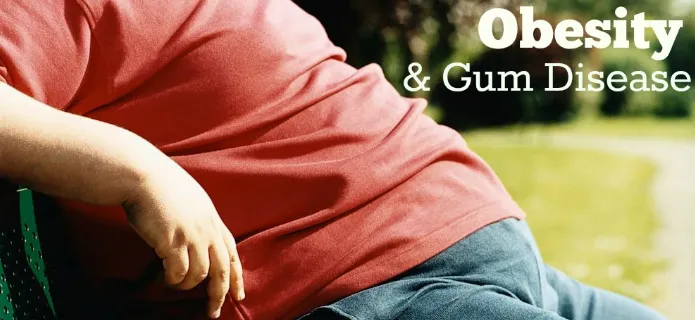
After smoking, obesity is the second-greatest gum disease risk factor, because body fat triggers inflammatory responses that damage gum and bone tissue.
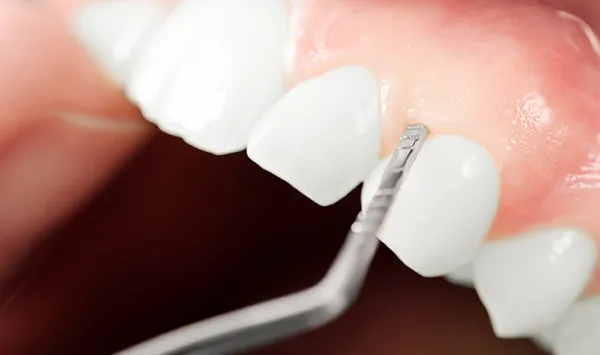
Gingivitis is early reversible gum inflammation without bone loss, while periodontal disease involves irreversible bone loss requiring professional treatment.