Summer is ideal for children's dental visits since school is out, insurance benefits reset, and cavities or orthodontic concerns can be addressed easily.
Early checkups, fluoride toothpaste, sealants, and limiting sugar can prevent the cavities that affect 42 percent of children between ages two and eleven.
Children's root canal treatment differs from adult procedures because it must account for still-developing roots and use techniques that preserve growth.
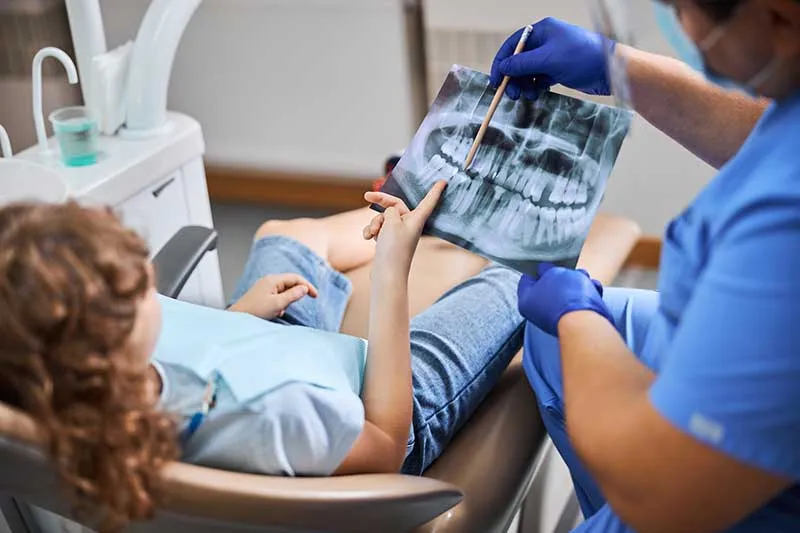
Scheduling dental checkups before school catches cavities and alignment issues early, preventing the dental pain that causes millions of missed school hours.
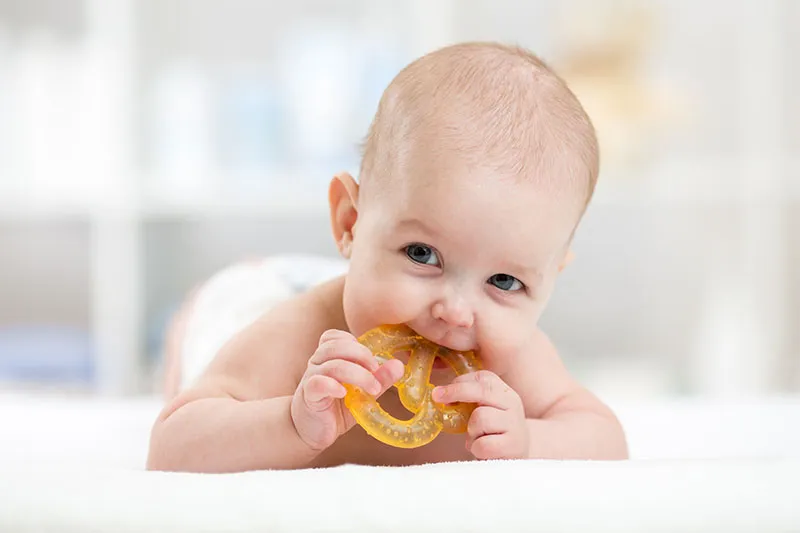
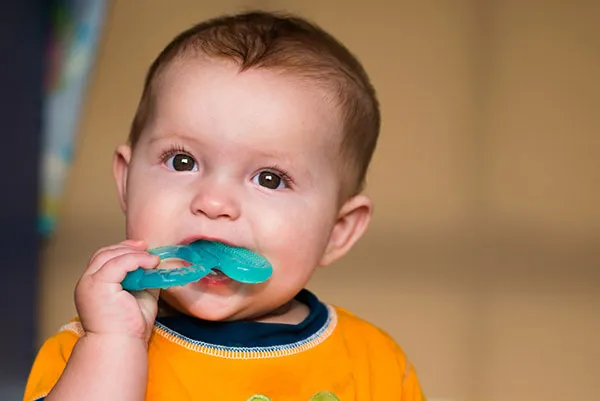
Baby teeth typically begin erupting between three and fourteen months, and knowing normal teething symptoms helps parents provide comfort during this milestone.
Pregnant mothers need calcium, phosphate, and vitamin D to support dental health and baby tooth development, which begins as early as six weeks in utero.
Filling baby bottles with sugary drinks or letting infants sleep with a bottle can cause tooth decay in young children, but simple guidelines can prevent it.
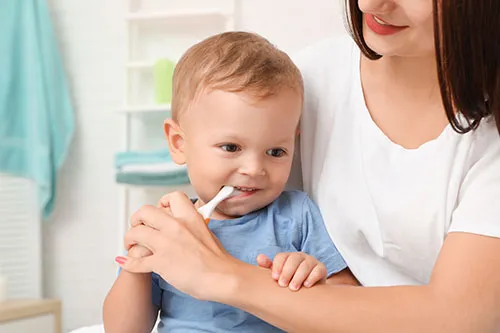
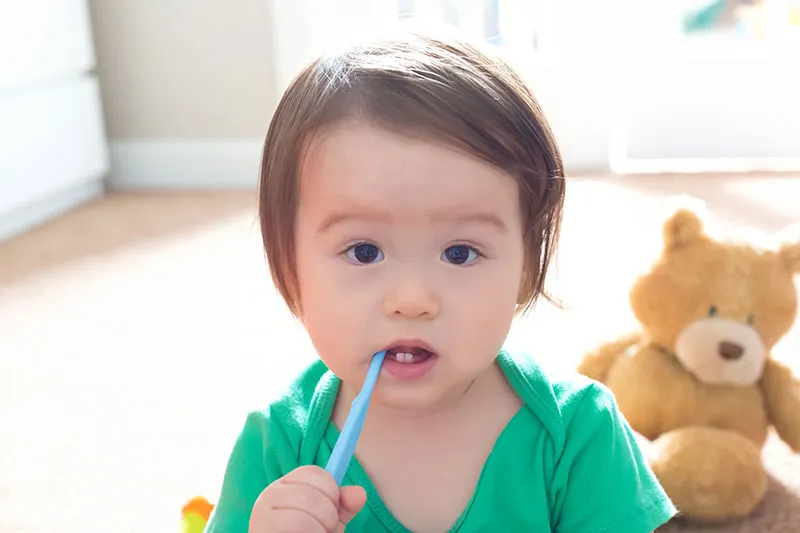
The American Academy of Pediatrics recommends fluoride toothpaste as soon as a baby's first tooth appears, using just a rice-grain-sized amount until age three.
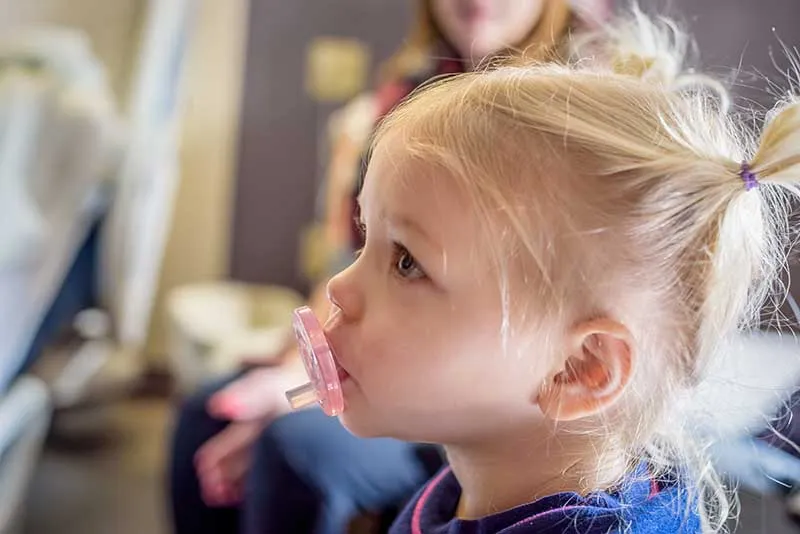
The American Academy of Pediatric Dentistry recommends pacifiers because pacifier habits are easier to limit before affecting tooth and jaw development.
Thumb sucking is normal for infants, but if it continues past age four or five, it can alter permanent teeth development and require orthodontic intervention.
Children with physical or developmental conditions may require modified dental techniques or sedation to ensure safe and effective oral care at every visit.
Two-year molars break through between 22 and 33 months, causing discomfort that parents can ease with chilled teething rings and appropriate pain relievers.
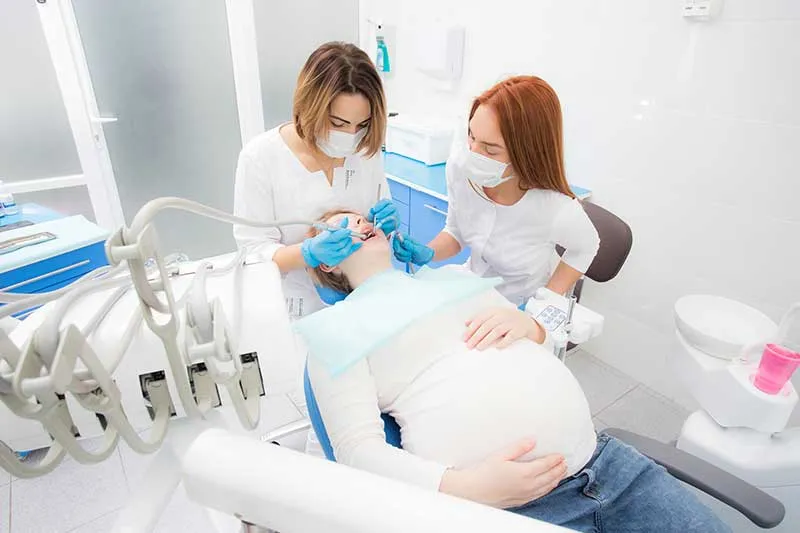
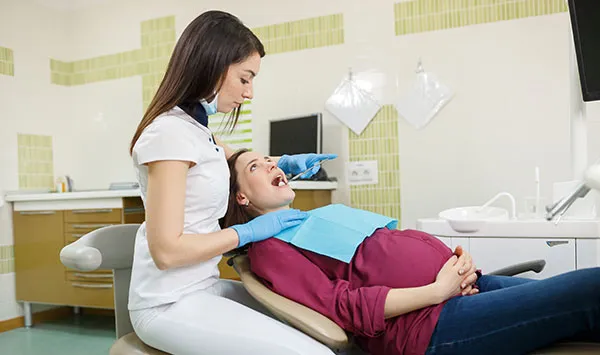
Dental care is essential during pregnancy because hormonal changes increase cavity risk and baby teeth begin developing as early as six weeks in utero.
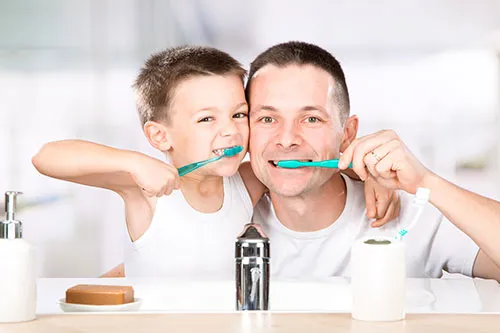
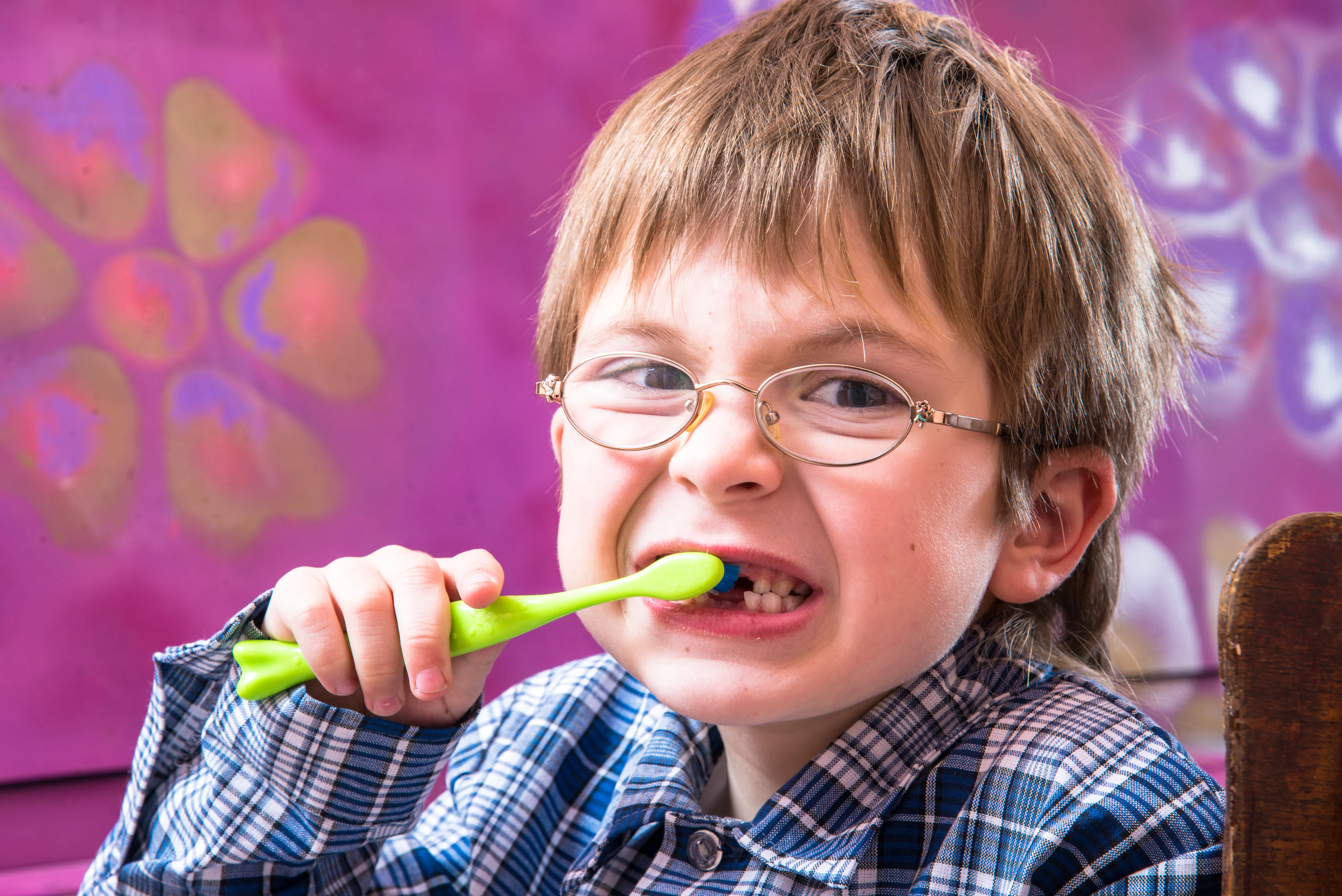
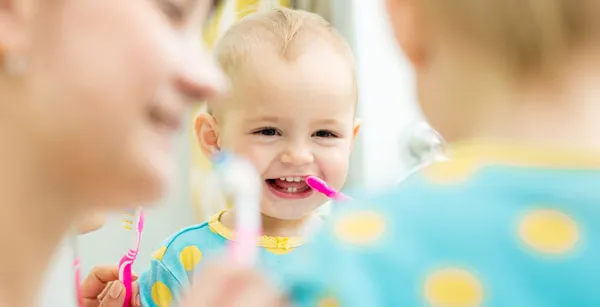
Children tend to mimic their parents, so modeling positive dental habits at home is one of the most effective ways to reduce your child's dental anxiety.
Every February the ADA joins educators and healthcare providers to raise awareness about children's dental health and encourage lifelong hygiene habits.
Common myths about dental care during pregnancy have been debunked by the ADA, confirming that x-rays, cleanings, and fillings are safe for expectant mothers.
Helping children overcome dental fear means explaining what to expect, staying calm, and choosing a dentist skilled at making young patients feel safe.
The American Academy of Pediatric Dentistry recommends a first dental visit by age one to catch early decay, build good habits, and ease dental anxiety.
Chewing sugarless gum after meals is ADA-approved because it stimulates saliva flow that washes away acids and food particles for a modest cavity benefit.