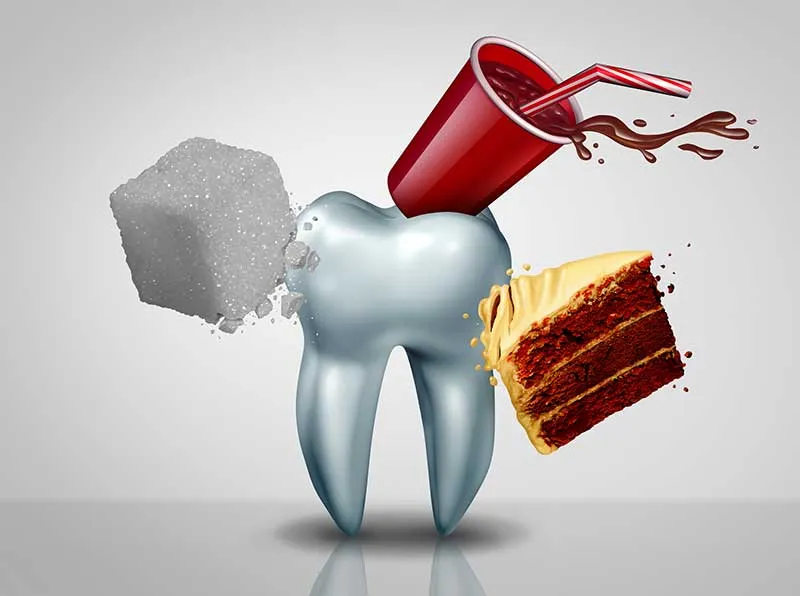
Halloween candy triggers acid attacks on enamel lasting 20 minutes per piece, making rinsing with water and prompt brushing essential for dental protection.
Dark chocolate contains compounds that resist tooth decay better than fluoride in some studies, and its antioxidants support gum health with less sugar.
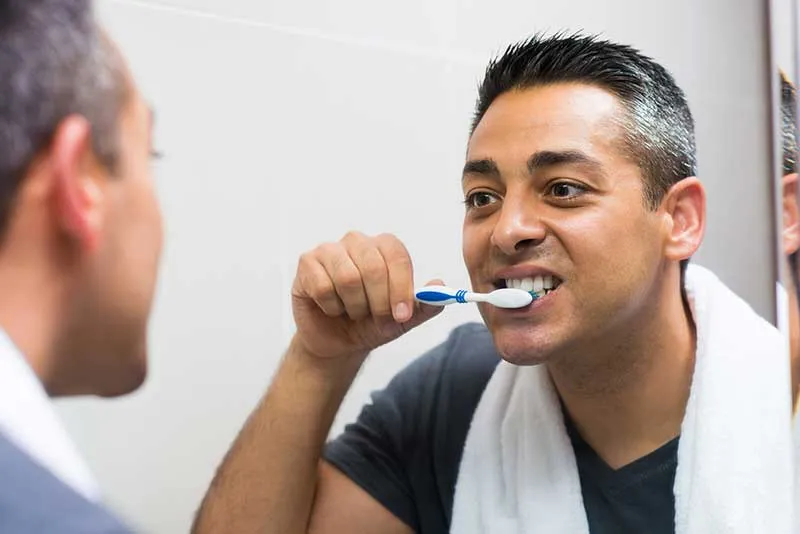
Professional cleanings remove hardened tartar that brushing cannot, while daily brushing, flossing, and antiseptic rinse prevent new plaque from building.
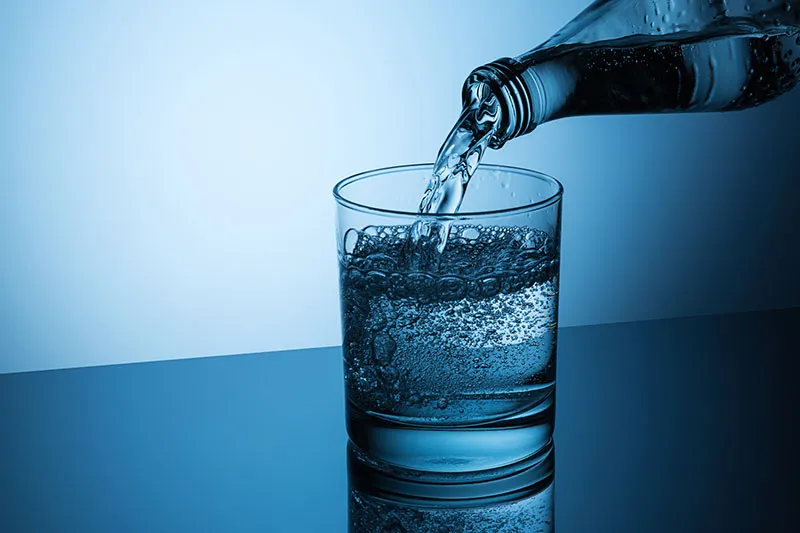
ADA-referenced research found that sparkling water has virtually the same effect on enamel as still water, making it a safe alternative to sugary sodas.
Garlic's active compound allicin has antibacterial properties that reduce cavity-causing bacteria and help relieve toothache pain when applied topically.
Protect your teeth during the holidays by eating sweets with meals, drinking water, brushing promptly, and following ADA guidelines for healthier food choices.
During summer, choosing water over sodas, eating crunchy vegetables and cheese, and brushing consistently protects teeth through the warmer active season.
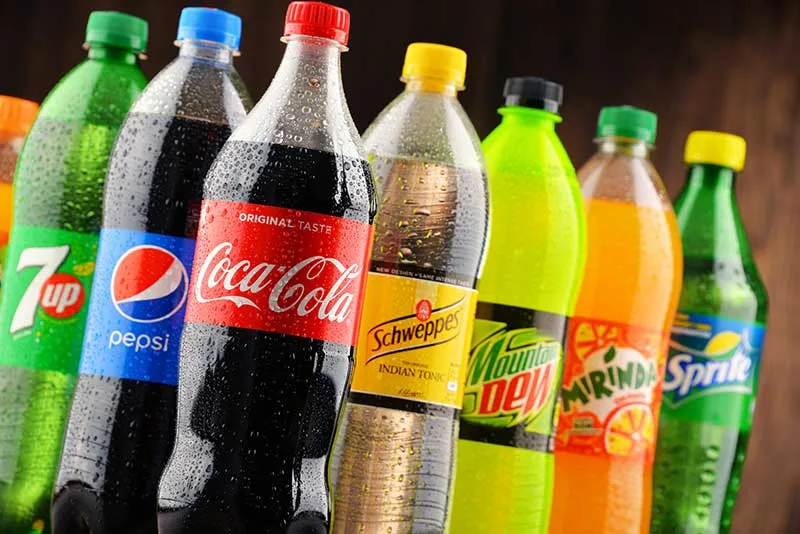
King's College London researchers found soft drinks are the common link between tooth enamel erosion and obesity, as their acid and sugar harm teeth and health.
Sugar-free holiday treats like strawberry cheese mice and fruit kabobs satisfy sweet cravings while protecting teeth from the cavities sugary sweets cause.
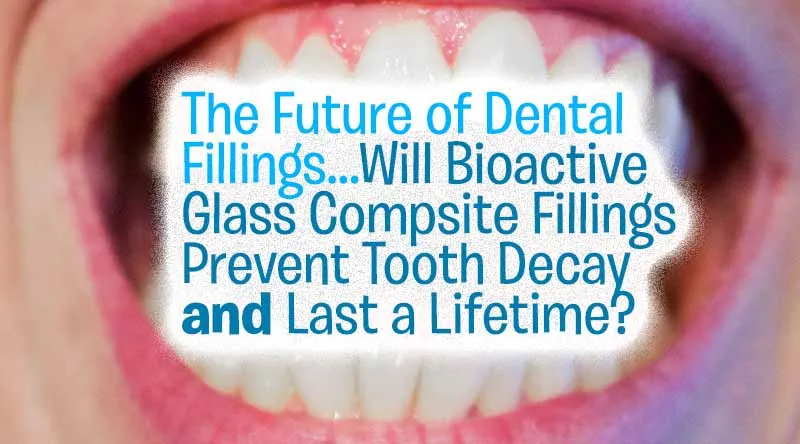
Oregon State researchers found bioactive glass in composite fillings resists bacterial attack and releases minerals that remineralize the surrounding tooth.
Milk, eggs, leafy greens, nuts, and crunchy vegetables are among the best tooth-friendly foods for calcium content, saliva stimulation, and cleaning action.
Eating Halloween candy with meals, avoiding sticky sweets, and brushing thoroughly are ADA-recommended ways to protect children's teeth during the holiday.
Helping children overcome dental fear means explaining what to expect, staying calm, and choosing a dentist skilled at making young patients feel safe.