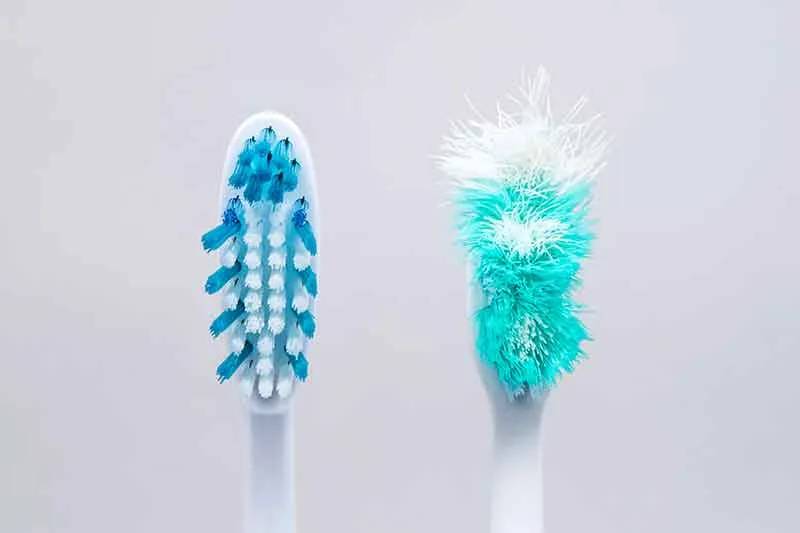
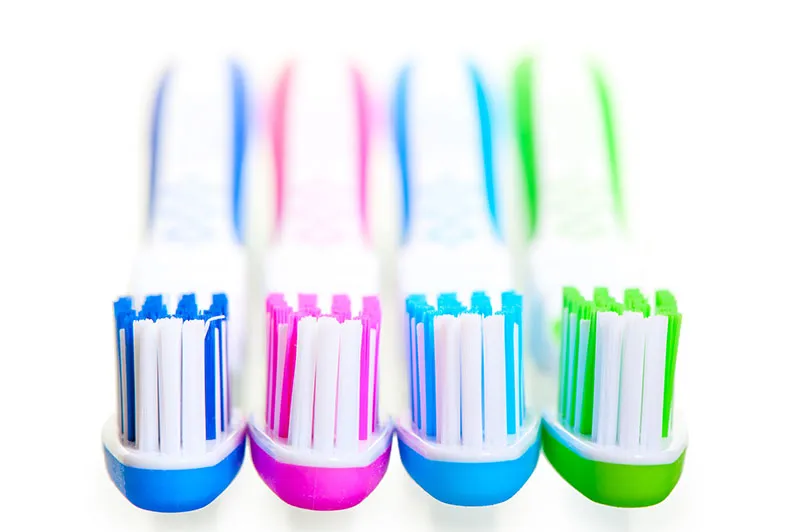
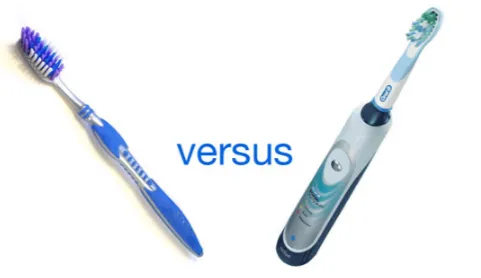
Replace your toothbrush every three to four months, after illness, and when bristles are frayed, because worn bristles clean teeth far less effectively.
Over-brushing with too much force wears down enamel and causes gum recession, which dentists can identify through the distinctive pattern of wear on teeth.
Dentists recommend brushing the tongue daily to remove bacteria that cause bad breath and can spread to the teeth and gums to promote decay and disease.
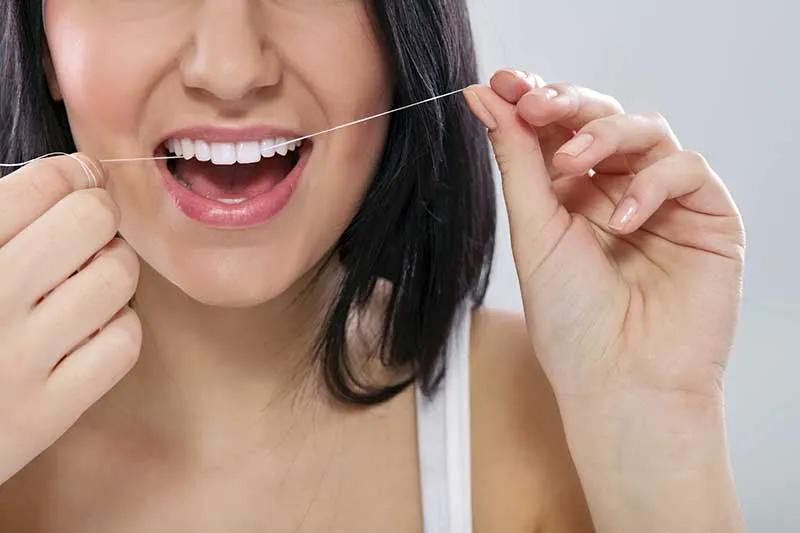
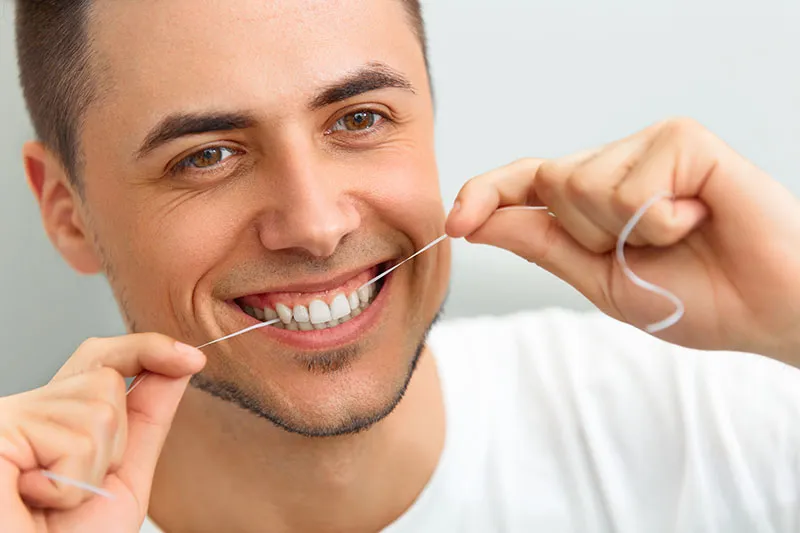
Dental floss was invented in 1815 by Dr. Levi Spear Parmly, who recognized that cleaning between teeth was crucial for preventing gum disease and decay.
Only seven percent of Americans brushed regularly in 1900, but World War II military hygiene campaigns made daily toothbrushing a national health habit.
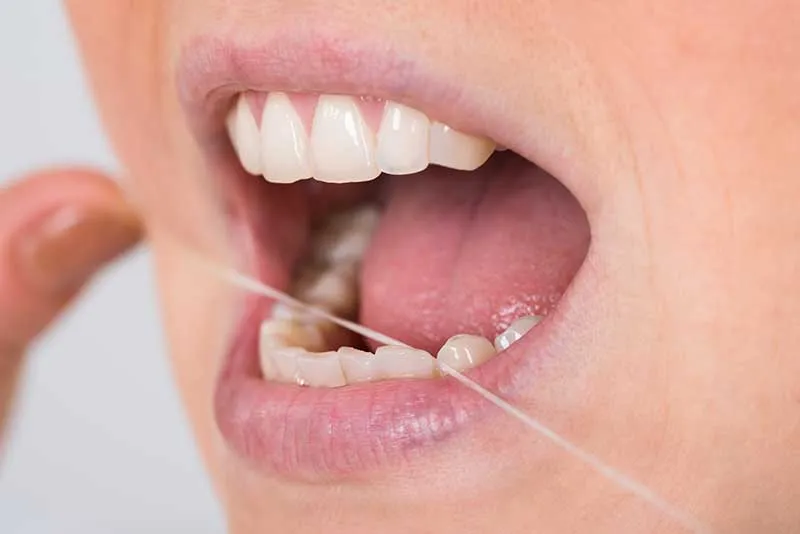
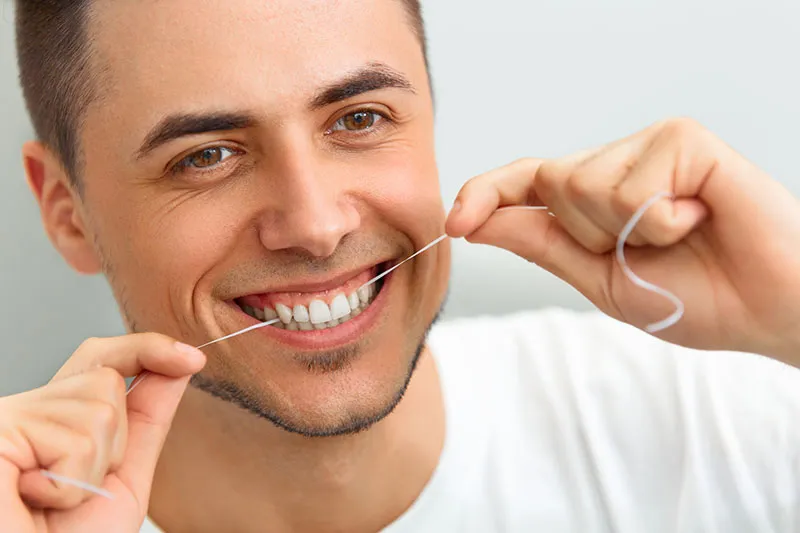
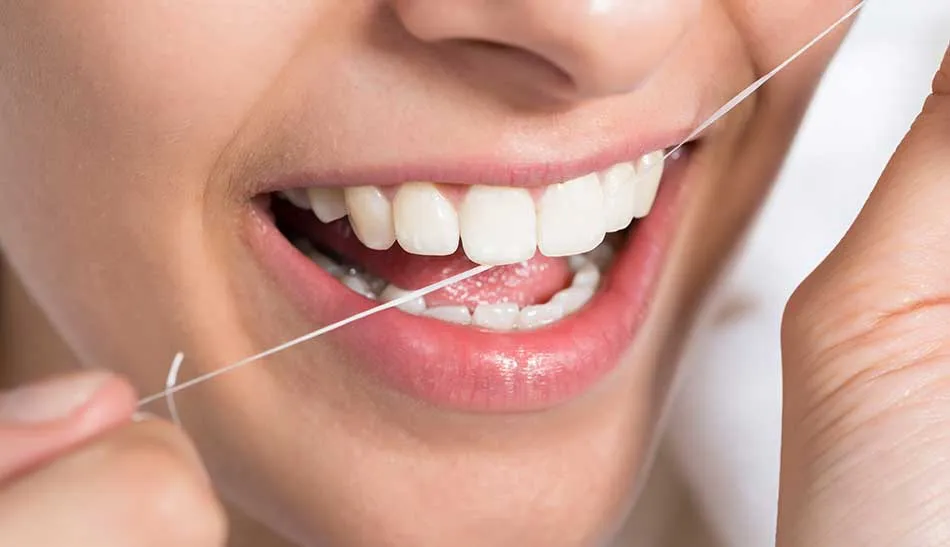
Microbiome research confirms flossing disrupts the bacterial communities between teeth, reducing the harmful species that cause gum disease and cavities.
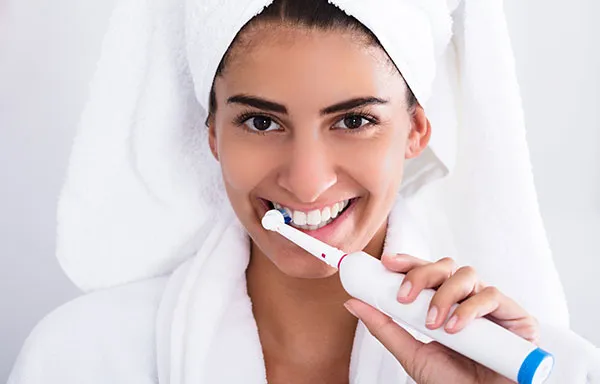
The ADA recommends a soft-bristled toothbrush with the ADA Seal, replaced every three to four months, used with gentle circular motions for best cleaning.
Jaw pain, clicking, and limited movement are common symptoms of TMJ disorders, which dentists can diagnose and treat with a variety of non-surgical approaches.
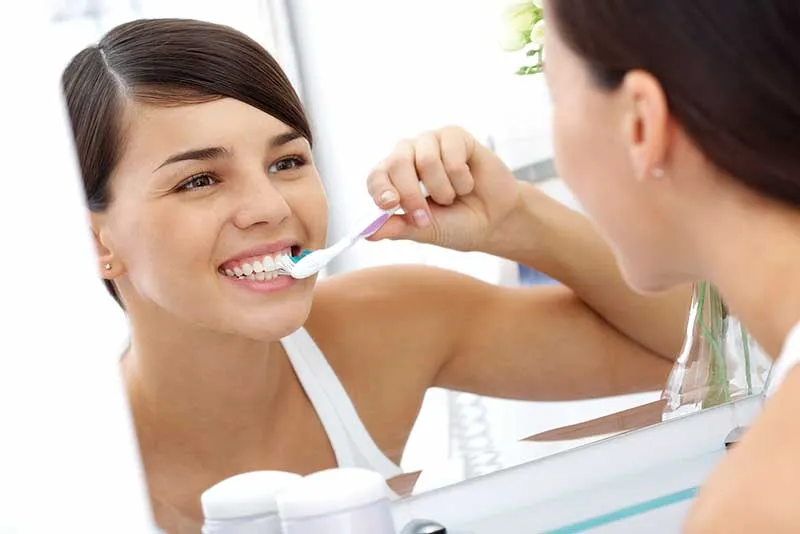
Brushing alongside children, making it a game, and using two-minute timers are dentist-approved strategies that help kids develop strong toothbrushing habits.
Gargling with salt water can reduce inflammation, kill surface bacteria, and help relieve gum pain, sore throats, and discomfort following dental procedures.
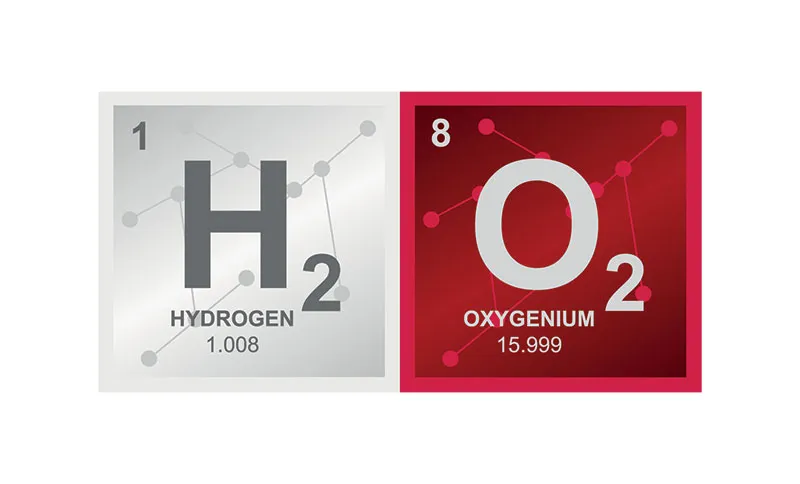
Diluted hydrogen peroxide is safe for gargling and can kill bacteria, modestly whiten teeth, and help soothe minor gum inflammation when used properly.
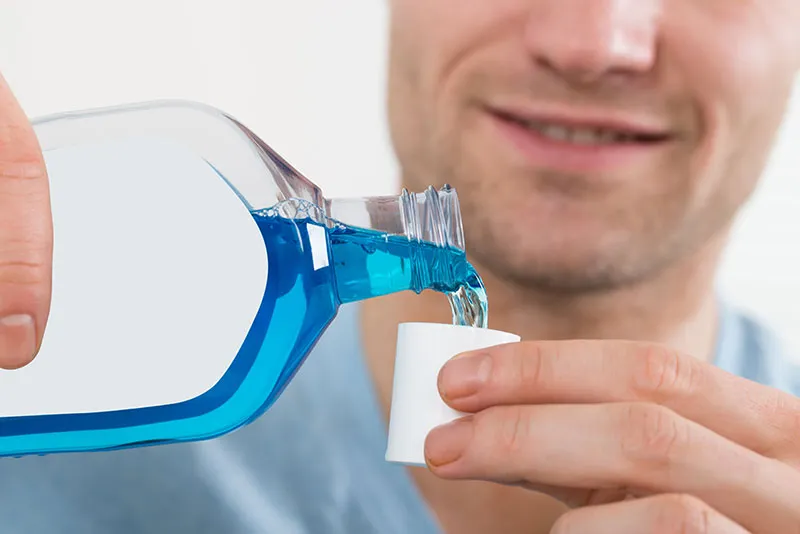
Alcohol-free mouthwashes are better for daily use because they clean effectively without causing dry mouth or irritating the soft tissues of the oral cavity.
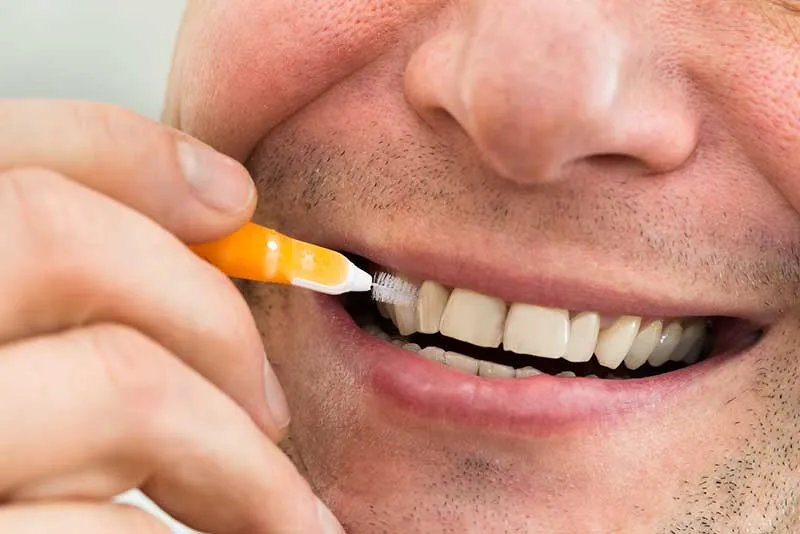
A proxy brush is a small interdental cleaning tool that fits between teeth, especially useful for patients with braces, wide gaps, or difficulty flossing.
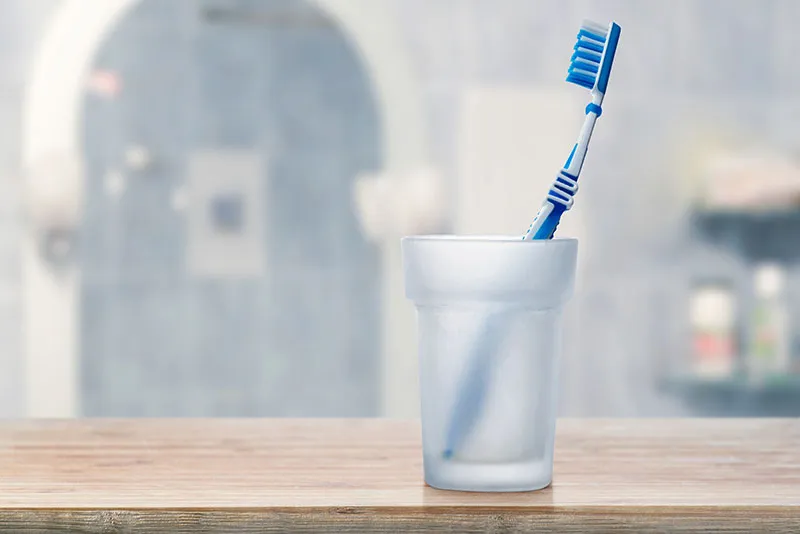
Best practices for toothbrush care include rinsing after each use, storing upright to air dry, never sharing brushes, and replacing every three to four months.
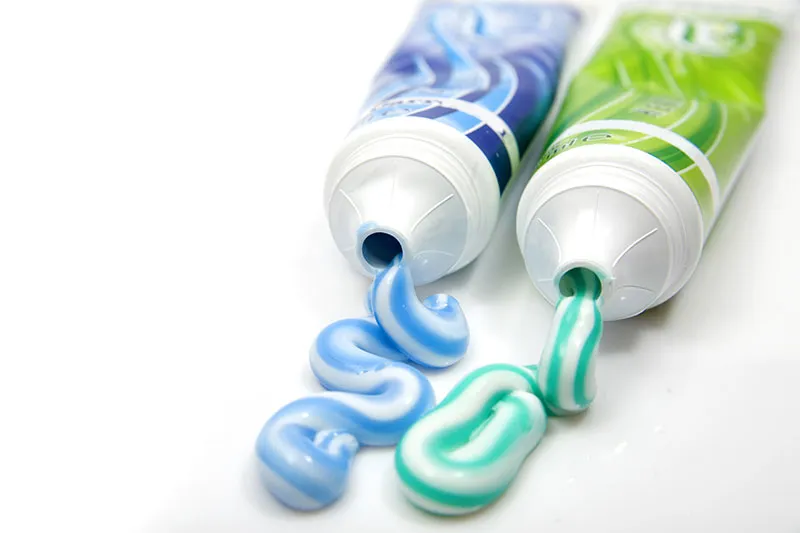
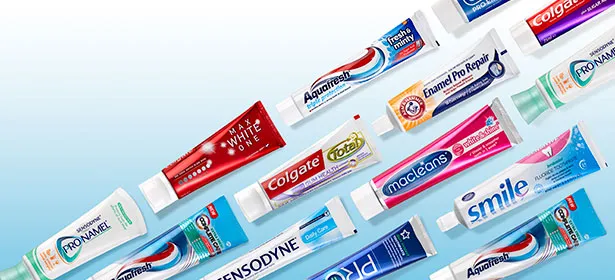
Dentists recommend choosing a toothpaste with ADA approval and the appropriate fluoride content along with a formula designed for your specific dental needs.
A survey found 27 percent of patients admit lying to their dentist about flossing, but gum inflammation and plaque patterns between teeth reveal the truth.
Signs you are not flossing enough include bleeding gums, persistent bad breath, visible plaque between teeth, and early gum disease that worsens over time.
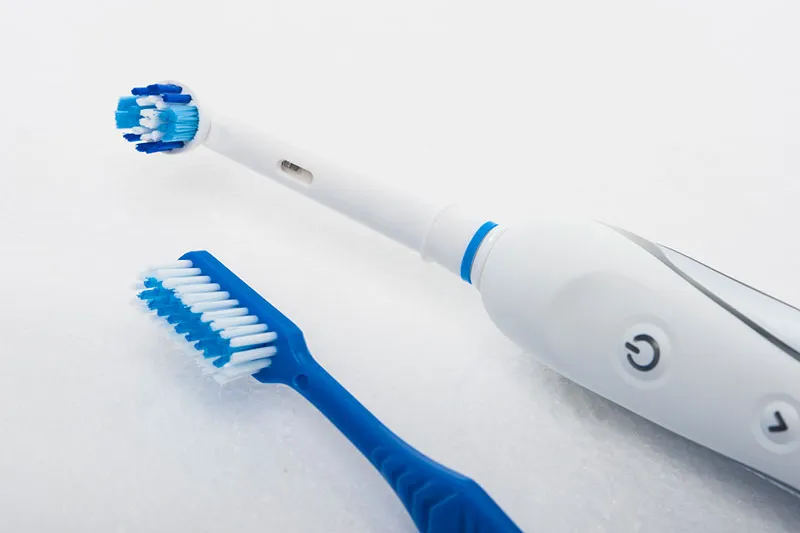
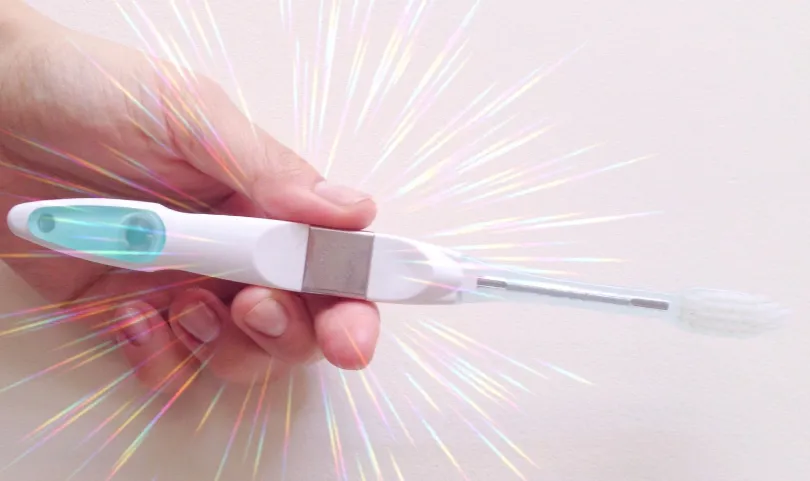
Ionic toothbrushes use electrically charged ions to reverse the polarity on tooth surfaces, causing plaque to repel away rather than just being scrubbed off.
Plastic microbeads in some toothpastes become trapped in gum tissue and harbor bacteria that contribute to gingivitis, prompting Congress to ban the ingredient.
Tooth sensitivity is typically caused by worn enamel, exposed roots, or cavities, and can be treated with desensitizing toothpaste, fluoride, or bonding.
Sensitivity toothpastes like Sensodyne use potassium nitrate or stannous fluoride to build tolerance to temperature and pressure over regular daily use.
The ADA recommends choosing a fluoride toothpaste with the ADA Seal of Acceptance to ensure it meets standards for safety, effectiveness, and cavity prevention.