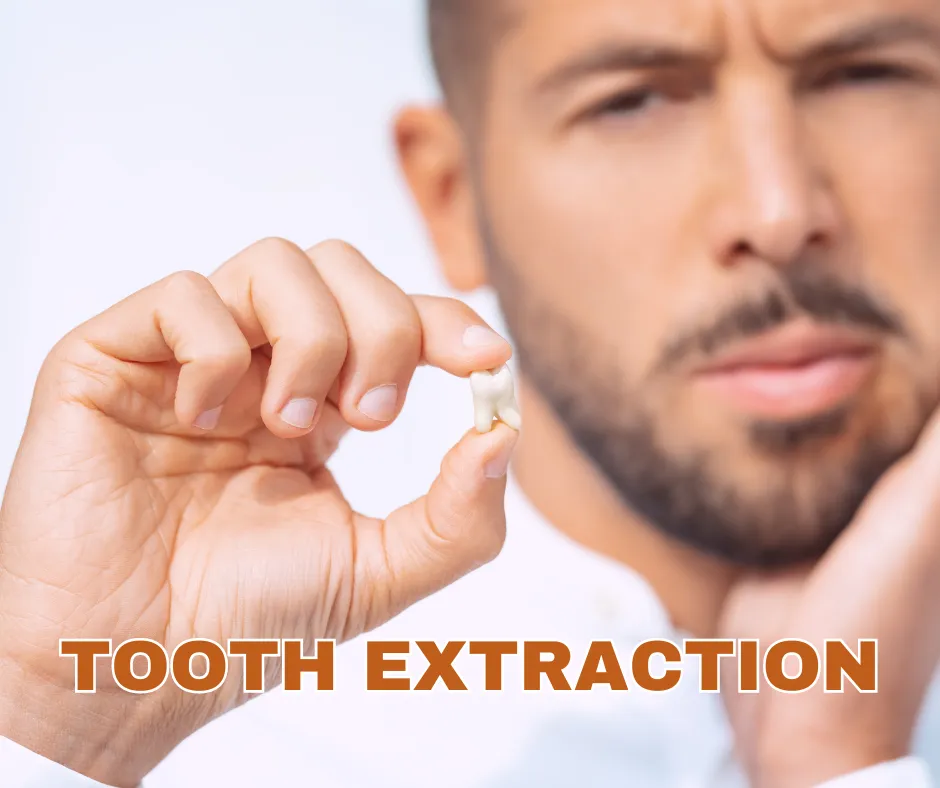
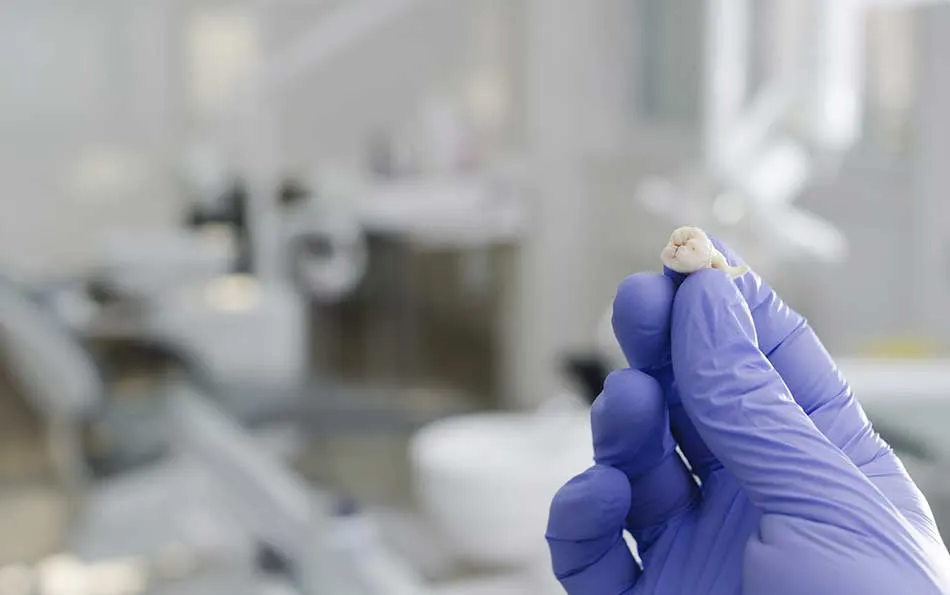
Tooth extraction is a common in-office procedure for severely decayed, impacted, or crowded teeth, and most patients recover quickly with proper aftercare.
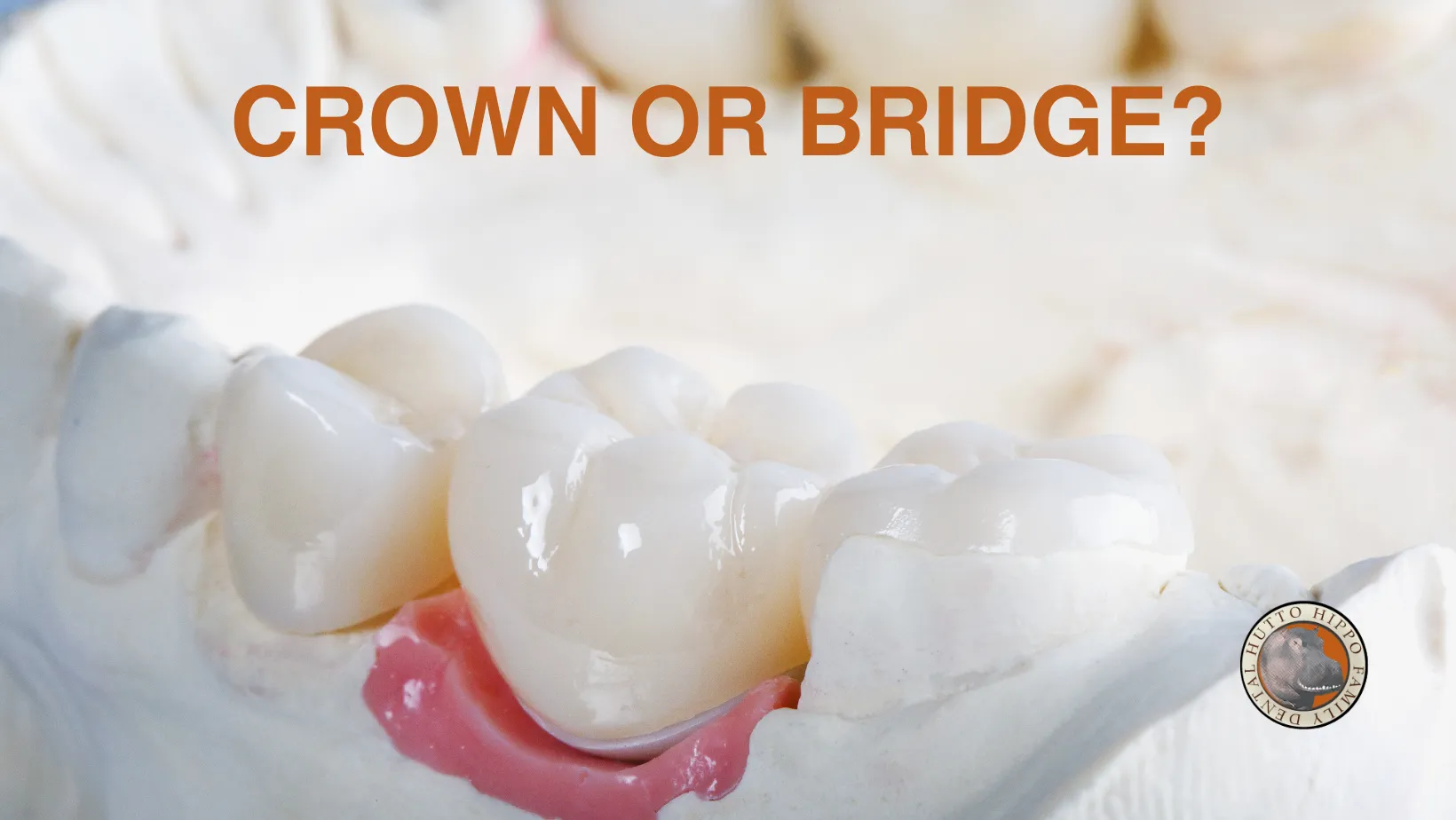
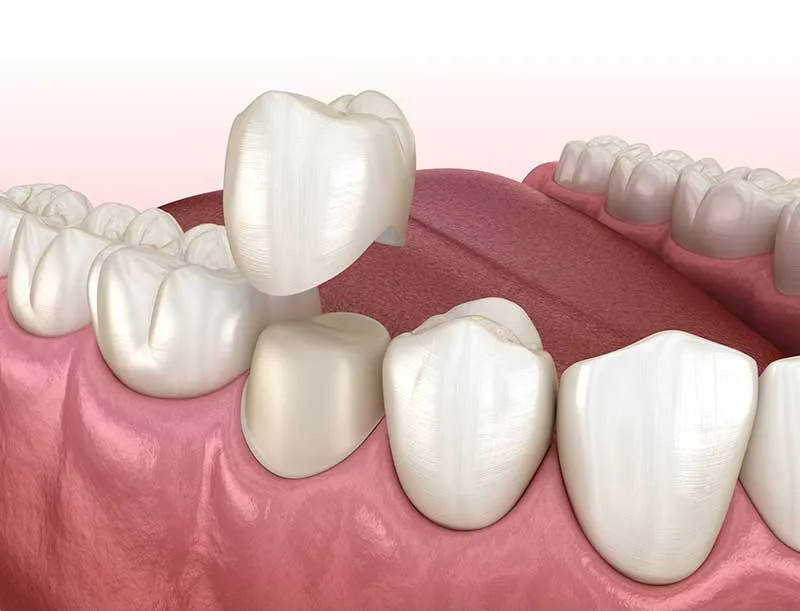
Dental crowns and bridges treat cracked teeth, severe decay, missing teeth, and worn enamel, restoring both function and appearance in a routine procedure.
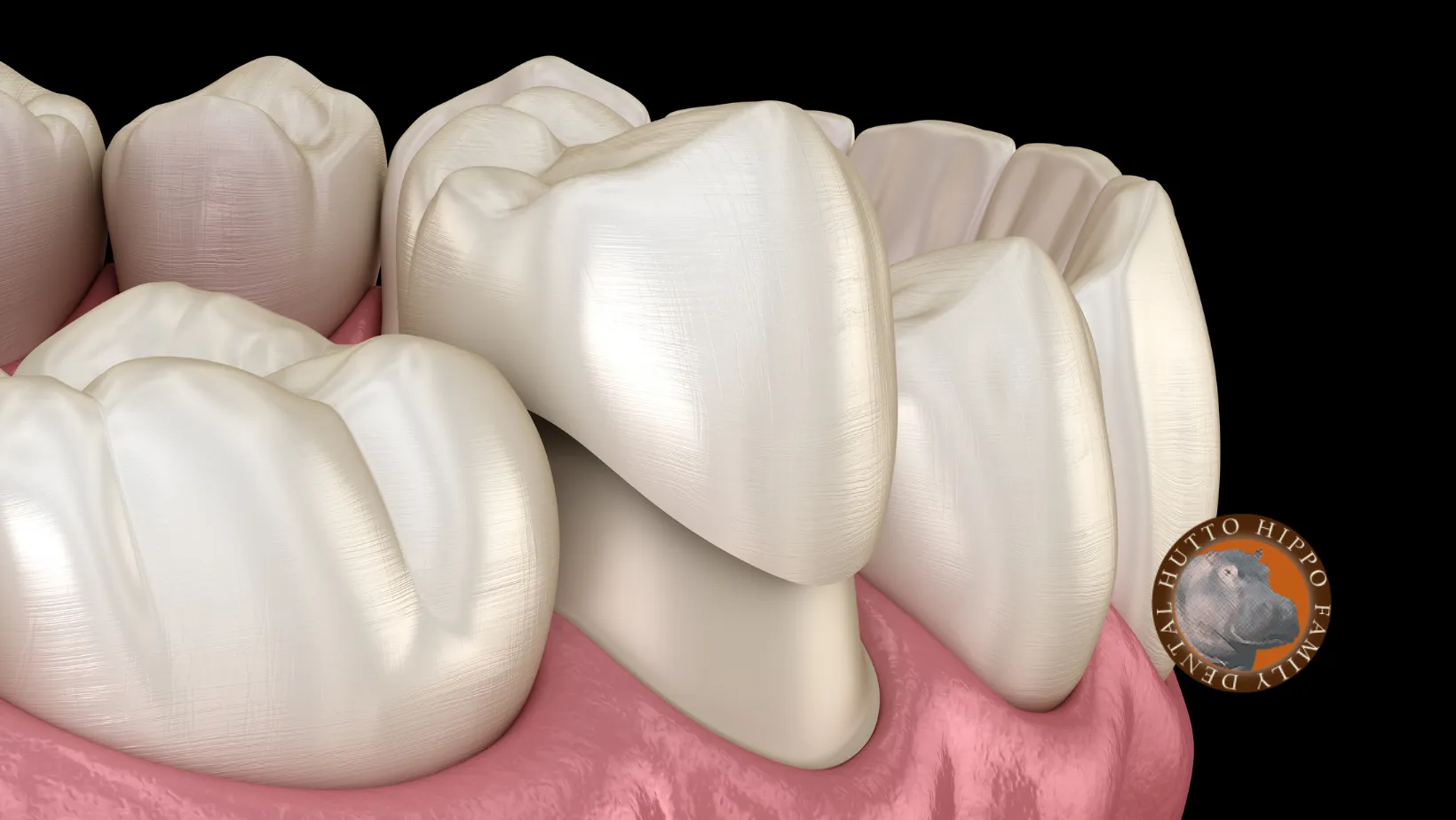
Dental crowns and caps are interchangeable terms for tooth-shaped restorations placed over a damaged tooth or implant to restore both function and appearance.
The Wisdom Tooth Project connects seniors to affordable local dental care, addressing the high rates of untreated tooth decay among Americans over 65 years old.
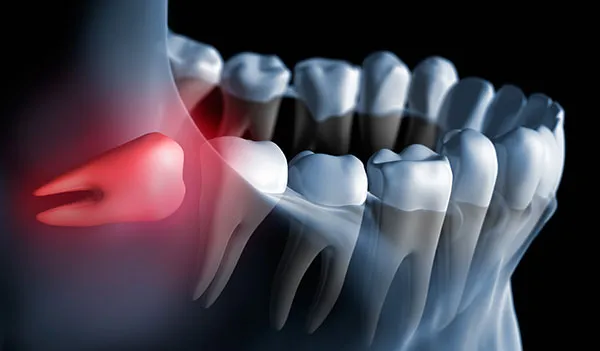
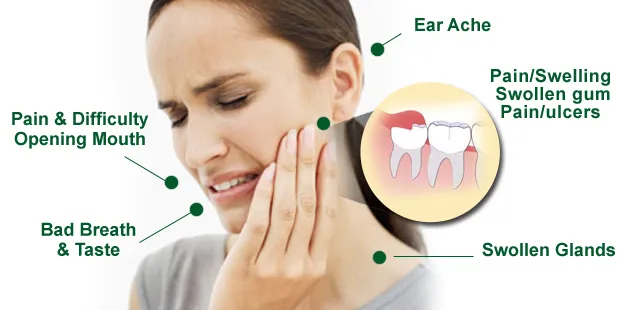
Wisdom teeth often need removal because they cause pain, crowd neighbors, or become impacted, and extraction is typically performed during the late teen years.
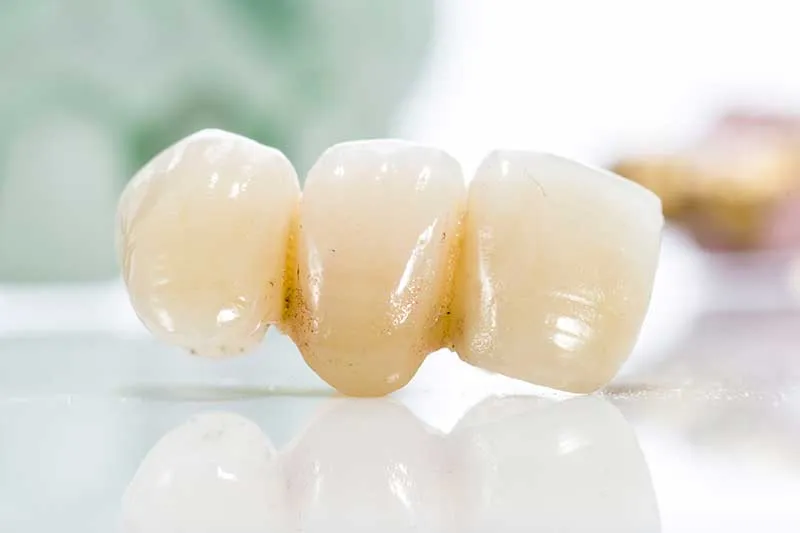
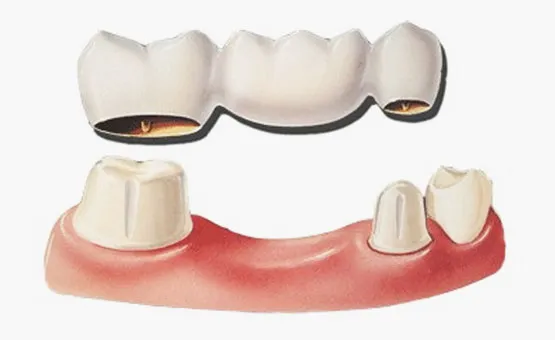
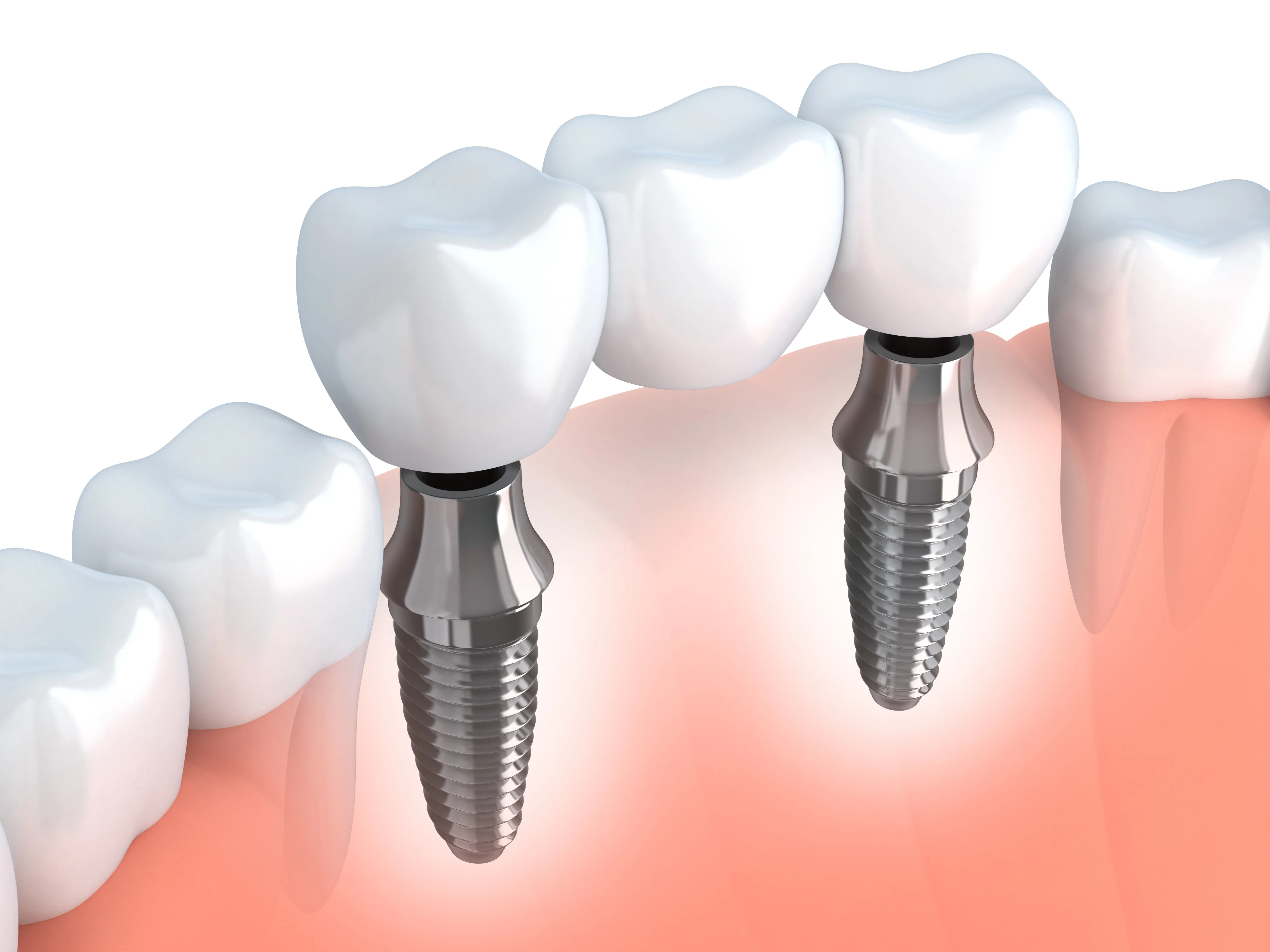
A dental bridge uses crowns on teeth adjacent to a gap to anchor a false tooth, restoring your bite and preventing neighboring teeth from shifting out of place.
CEREC technology lets dentists design and mill a custom porcelain crown in a single appointment, so patients walk in with a broken tooth and leave restored.
Impacted or misaligned wisdom teeth press on nearby nerves and muscles, potentially triggering tension headaches and migraines that resolve after extraction.
CEREC uses digital scanning and computer-aided milling to produce custom porcelain crowns, veneers, and fillings chairside in a single convenient appointment.
A loose dental crown should be addressed promptly because it can dislodge completely, allow bacterial decay to begin, or indicate a fractured tooth underneath.
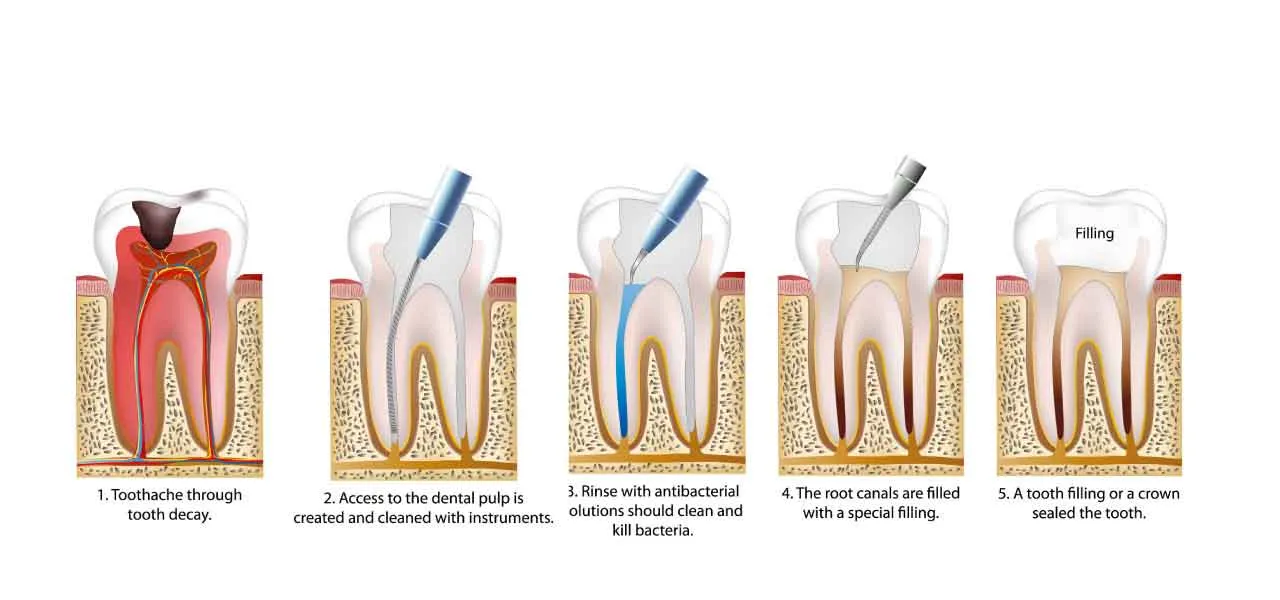
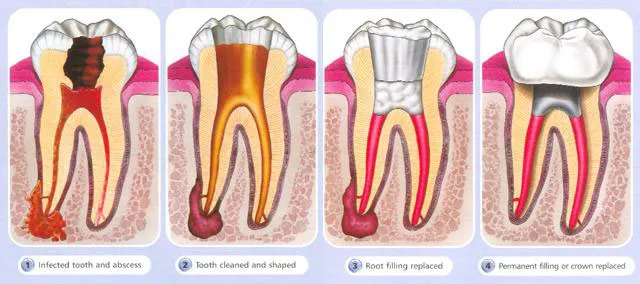
Saving a tooth with root canal treatment is preferable to extraction because tooth loss leads to bone loss and requires costly replacements like implants.
Researchers are developing antibacterial filling materials that fight bacteria responsible for new cavities forming around existing dental restorations.
Brief sensitivity after a filling is normal, but persistent pain weeks later may indicate a high bite, cracked tooth, or failed restoration needing care.
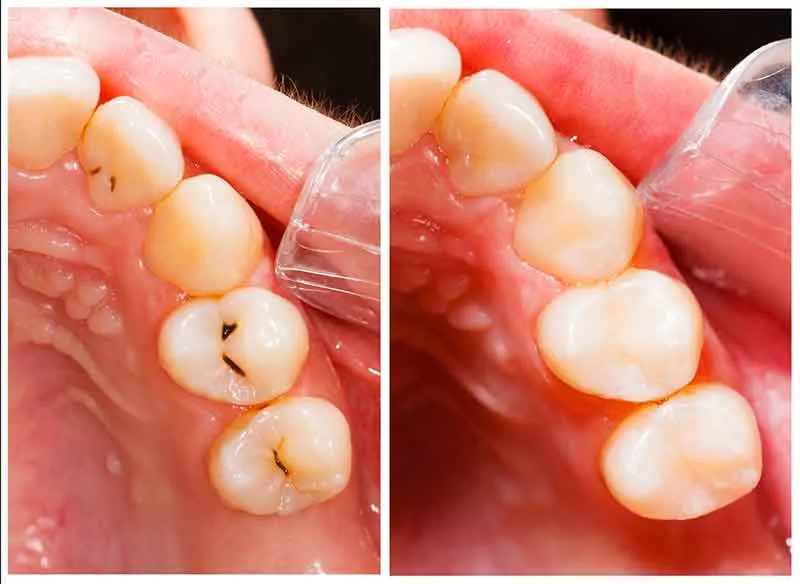
Some tooth sensitivity after a filling is completely normal and typically fades within a few days to weeks as the tooth adjusts to the new restoration.
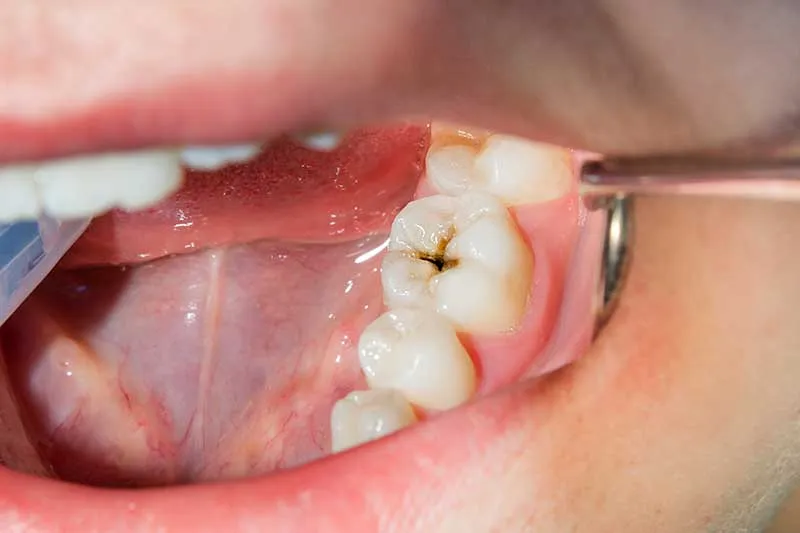
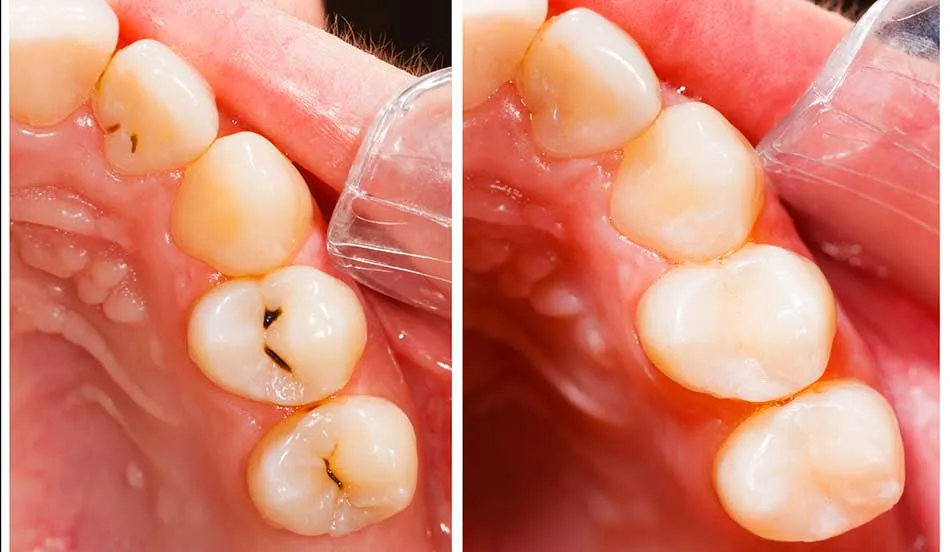
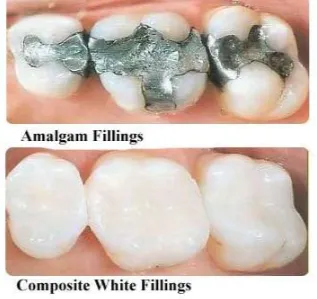
Cavities are holes caused by bacterial acids eroding enamel, and they must be treated with fillings before they deepen to the nerve and cause severe pain.
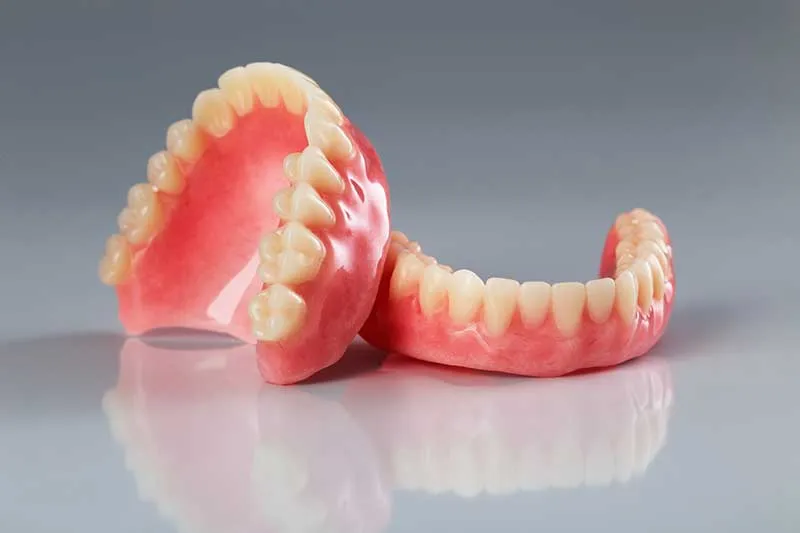
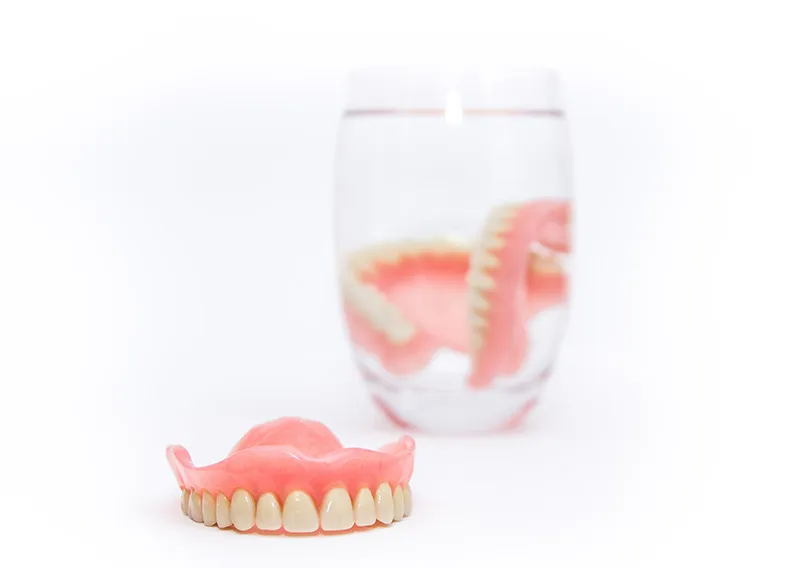
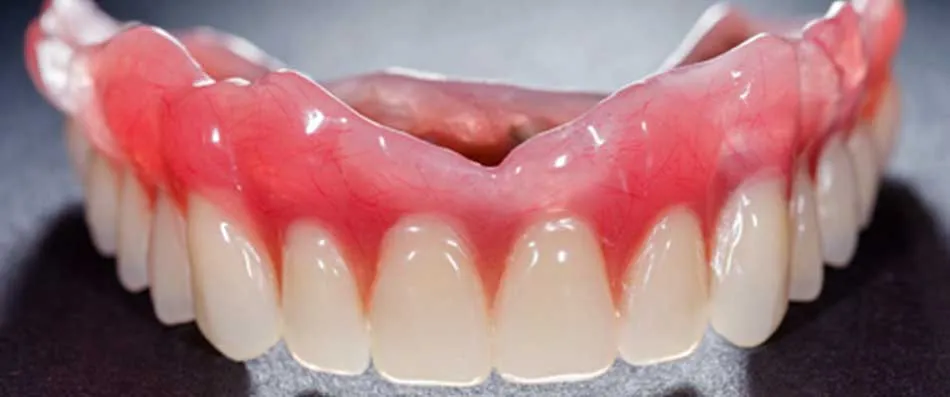
Proper denture care includes daily cleaning, overnight soaking, and avoiding forcing them into place, which can crack clasps and lead to poor-fitting dentures.
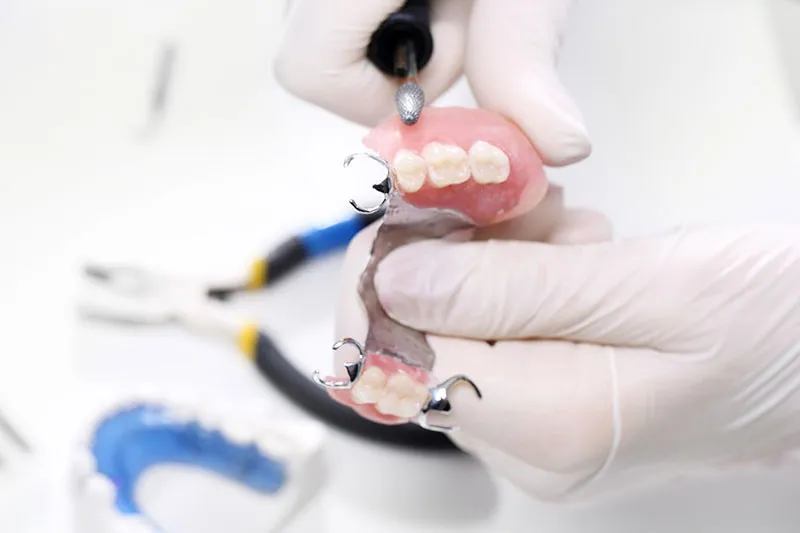
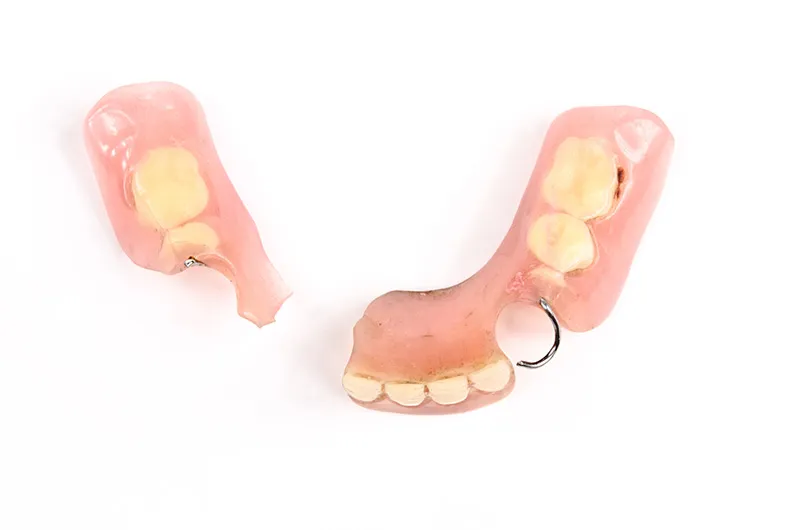
A broken denture often results from drops, poor fit, or daily wear and should be repaired professionally as soon as possible to restore proper chewing function.
Oral Health America tracks decay across all 50 states, revealing one-third of seniors have lost six or more teeth, with 25 states receiving poor grades.
After wisdom tooth extraction, eating yogurt, smoothies, mashed potatoes, and soup allows extraction sites to heal comfortably without irritation or infection.
A dental bridge fills the gap left by a missing tooth using crowns on adjacent teeth, restoring your bite, preventing shifting teeth, and improving your smile.
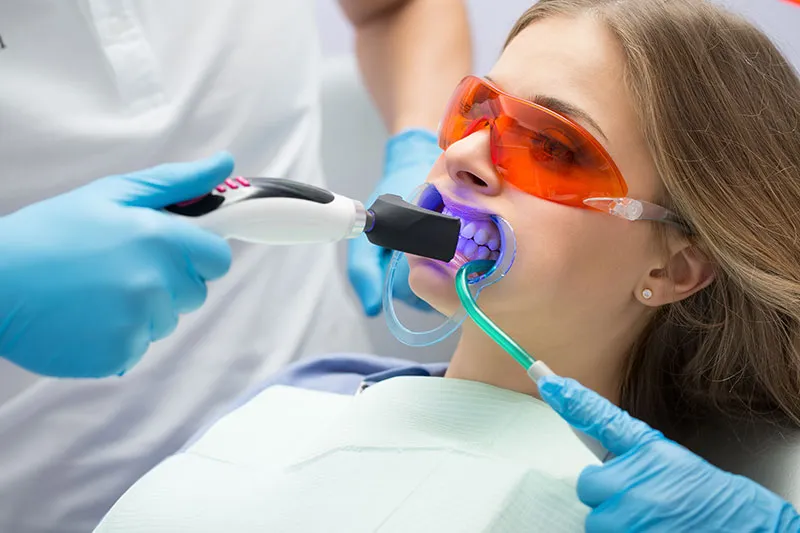
Oregon State researchers found bioactive glass in composite fillings resists bacterial attack and releases minerals that remineralize the surrounding tooth.
A root canal removes infected pulp to eliminate pain and infection, and with modern anesthesia, the procedure is far more comfortable than most patients expect.
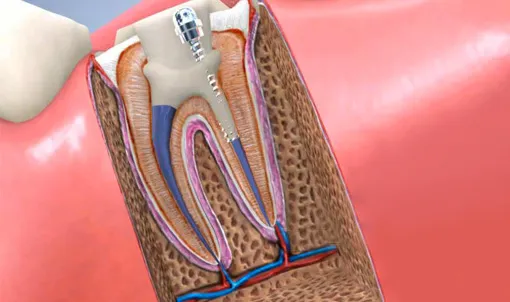
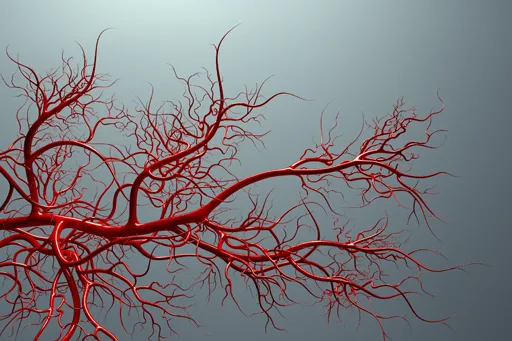
Researchers are experimenting with engineering blood vessels in root-canal-treated teeth to restore living tissue and increase the longevity of treated teeth.
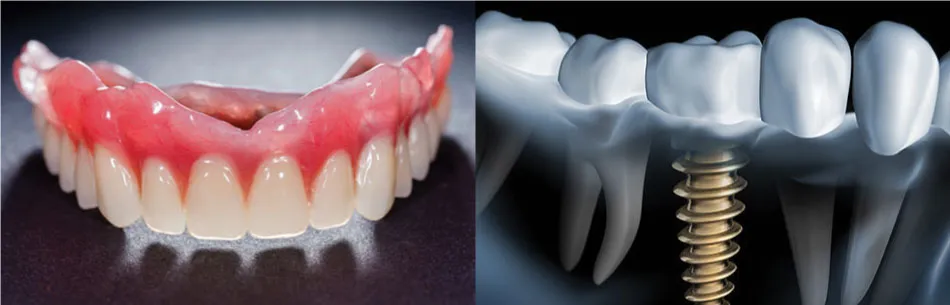
Choosing between dentures and implants depends on your health, bone density, lifestyle, and budget, and your dentist can help you weigh the options carefully.
Science Daily experts note that removing a painless wisdom tooth carries real risks including infection and nerve damage, requiring careful dental evaluation.
University of Illinois researchers found grape seed extract treatment before placing resin fillings strengthens tooth structure and extends filling life.
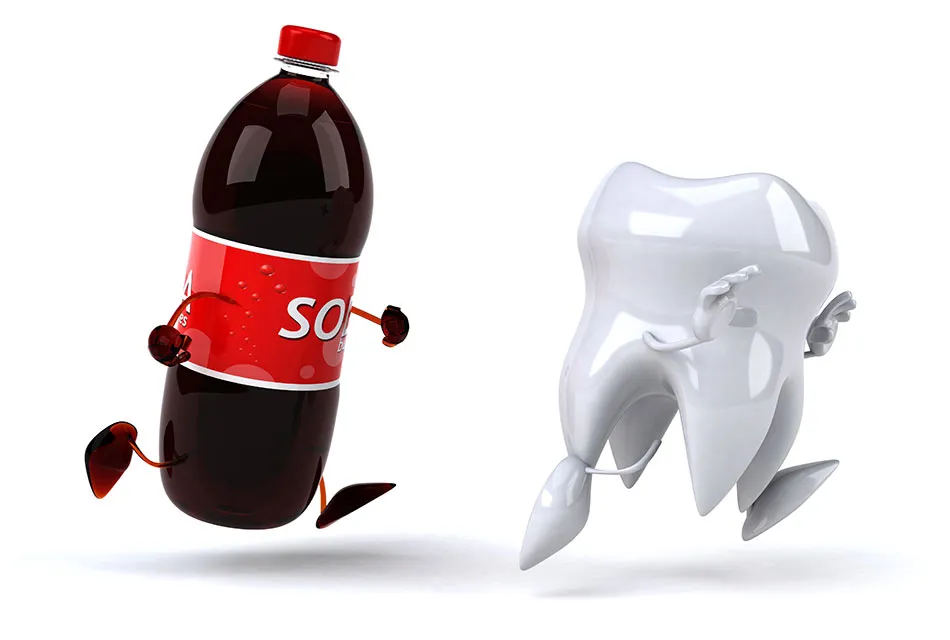
A dentist's experiment found that energy drinks damage enamel more than Coca-Cola due to higher acid content, making water the safest beverage choice for teeth.
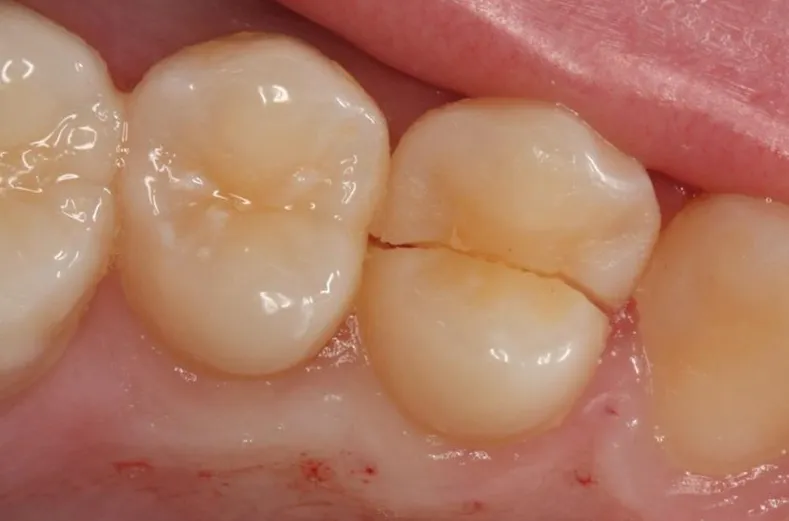
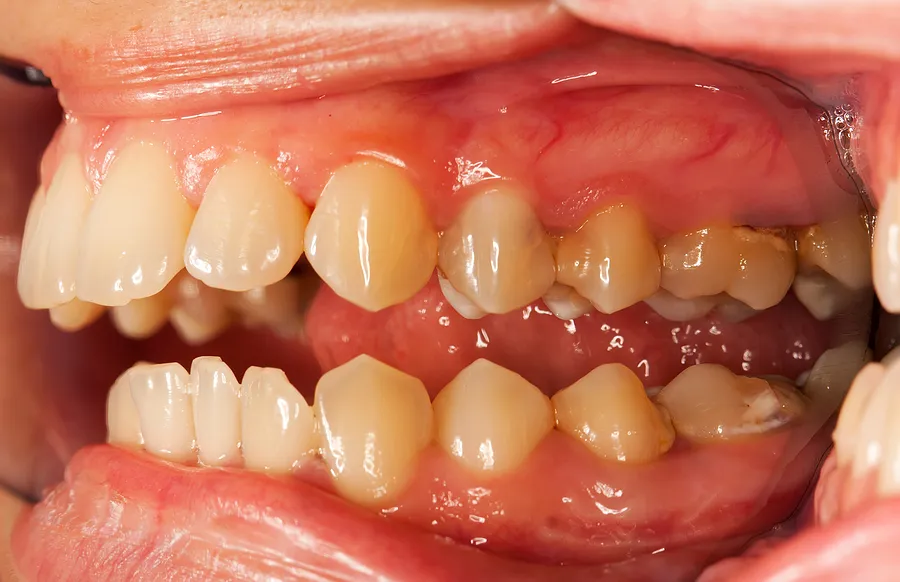
Cracked teeth range from superficial craze lines to deep fractures reaching the pulp, with treatment varying from monitoring to crowns or root canal therapy.
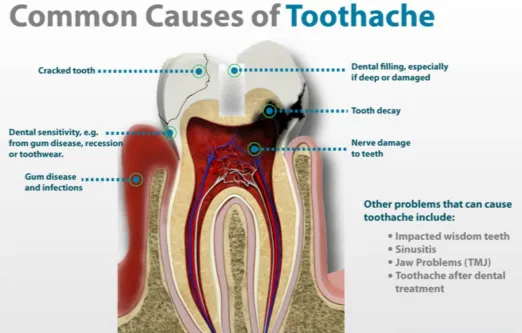
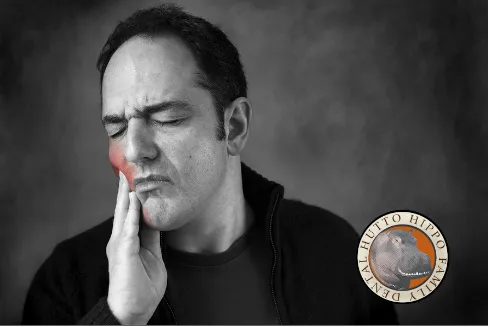
Toothaches are caused by deep decay, cracked teeth, gum disease, or abscess, and a dentist must identify the underlying source to provide lasting relief.
The American Academy of Pediatric Dentistry recommends a first dental visit by age one to catch early decay, build good habits, and ease dental anxiety.
Tooth sensitivity is typically caused by worn enamel, exposed roots, or cavities, and can be treated with desensitizing toothpaste, fluoride, or bonding.
BioMinF is a breakthrough toothpaste ingredient that slowly releases calcium, phosphate, and fluoride over hours to repair enamel and reduce tooth sensitivity.
Researchers are exploring how beneficial oral bacteria can neutralize acid in the mouth, potentially leading to a probiotic pill that prevents tooth decay.
Loloz lollipops contain a natural compound that targets the bacteria responsible for cavities and gum disease, offering a sweet way to support oral health.
Root canals don’t deserve their scary reputation. We debunk the top myths about pain, illness risk, and why saving your natural tooth is almost always the better choice.
Most dentists recommend removing wisdom teeth that are impacted, cause crowding, or risk infection, typically between ages 17 and 25 for easiest recovery.
Dental implants are titanium roots that support permanent crowns and preserve jawbone, offering a more stable solution than bridges or removable dentures.