
Dentures
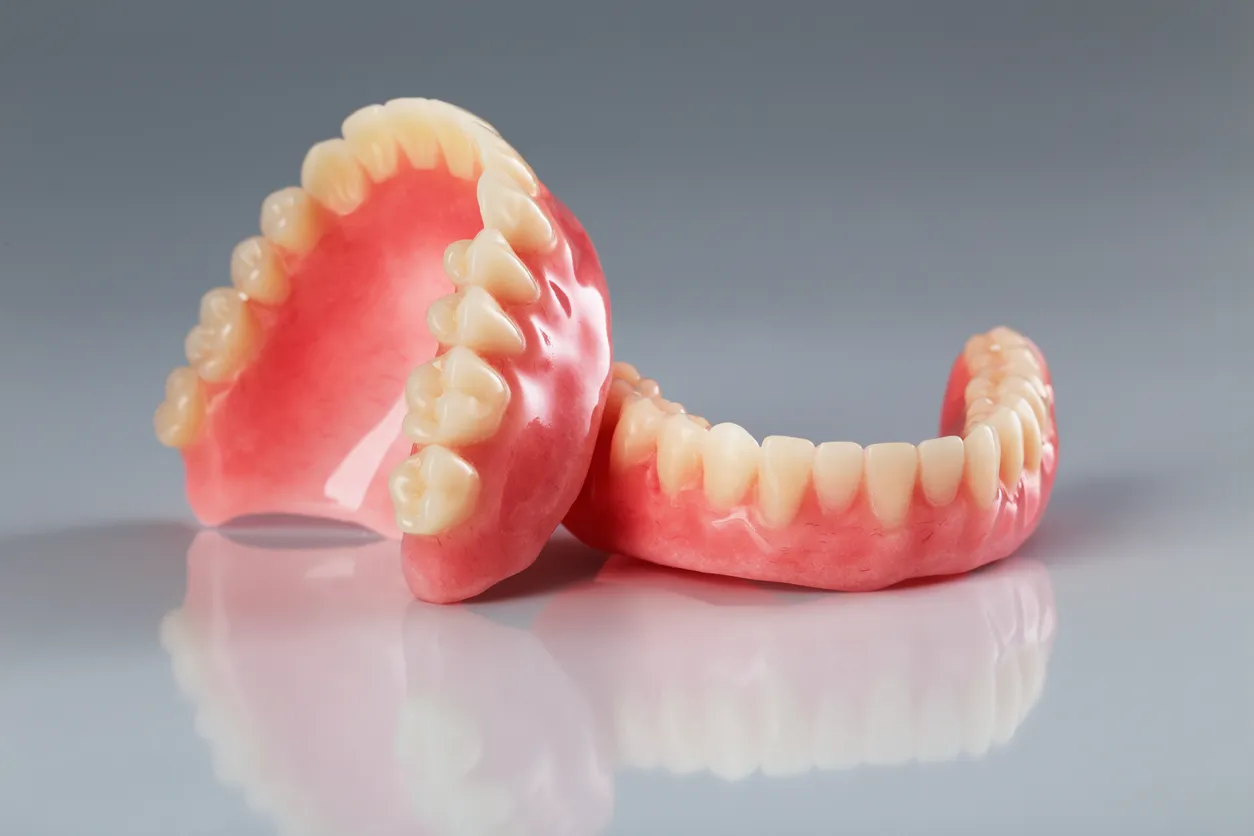
Restore Your Smile with Custom Dentures
If you’ve lost some or all of your teeth, dentures can restore your smile, improve your ability to eat and speak, and give you back your confidence. At Hutto Hippo Family Dental, we craft custom dentures designed to fit comfortably and look natural, serving families from Hutto, Taylor, Round Rock, Pflugerville, and Georgetown.
Types of Dentures
Full (Complete) Dentures
Full dentures replace all of your teeth on the upper or lower jaw (or both). They rest on your gums and are held in place by suction and your jaw muscles. Modern dentures look remarkably natural and can be crafted to match the appearance of your original teeth.
Partial Dentures
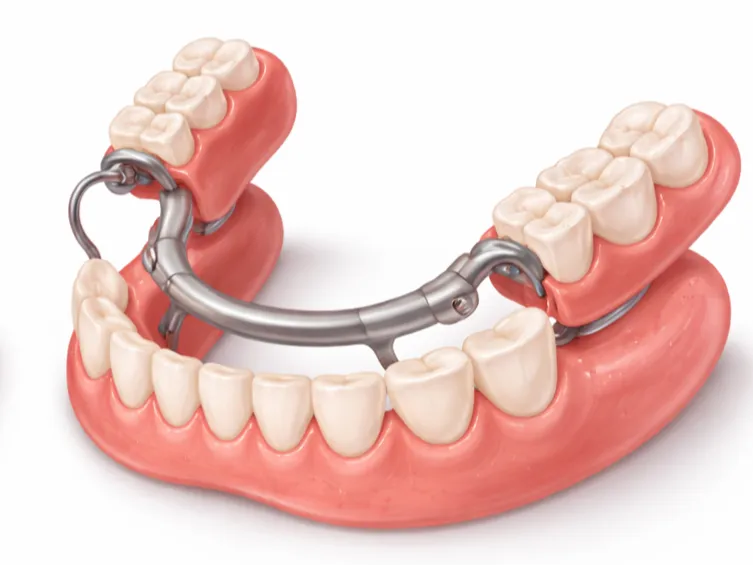
Partial dentures replace one or more missing teeth when you still have some natural teeth remaining. They typically use metal clasps or precision attachments to anchor to your existing teeth.
Implant-Supported Dentures
For patients who want the security of dentures without worrying about slippage, implant-supported dentures attach to dental implants that are placed in the jawbone. This option provides superior stability and helps preserve jawbone density.
Getting Used to Your Dentures
It takes most people a few weeks to adjust to dentures. During the adjustment period, you may notice:
- Increased saliva flow — your mouth treats the denture as a foreign object at first
- Minor soreness or irritation — especially at pressure points
- Difficulty with certain foods or speech — this improves with practice
We recommend starting with soft foods cut into small pieces and gradually reintroducing harder foods as you become comfortable. Reading aloud or singing can help you adapt your speech more quickly.
What If My Dentures Don’t Fit Well?
Dentures can loosen over time as your jaw changes shape. This is normal — without tooth roots, the jawbone gradually resorbs. If your dentures are slipping, causing sore spots, or making it difficult to eat, don’t wait. Schedule an appointment and we can:
- Reline the denture to restore a better fit by reshaping the base
- Rebase the denture using new denture material if the teeth themselves are still in good condition
- Replace the denture if it is worn beyond adjustment
Most dentures last 5–10 years before replacement is needed. Regular checkups allow us to monitor the fit and condition before problems develop.
How to Care for Your Dentures
Well-maintained dentures look better and last longer:
- Remove and rinse after eating to remove food particles
- Brush daily with a soft denture brush and non-abrasive denture cleaner (never regular toothpaste, which is too abrasive)
- Soak overnight in water or an ADA-approved denture solution to prevent warping and maintain shape
- Handle with care — dentures can break if dropped; place a folded towel in the sink when cleaning
- Keep regular appointments so we can check the fit and the health of your gums and remaining teeth
Frequently Asked Questions About Dentures
How long does it take to get dentures? The process typically takes several appointments over 4–6 weeks. We take impressions, have the dentures crafted at a dental lab, and then fit and adjust them to your mouth.
Will dentures affect how I speak? There may be a short adjustment period during which certain sounds feel different. Most patients adapt quickly. Reading aloud at home helps speed up the process.
Can I sleep in my dentures? It is generally recommended to remove dentures at night to give your gum tissues a rest and to soak the dentures in cleansing solution. Sleeping in dentures increases the risk of gum irritation and accelerates bone resorption.
Related Services
Depending on your situation, one of these alternatives may also be appropriate:
- Dental Implants — a permanent alternative that preserves jawbone and eliminates the need for adhesives
- Dental Bridges & Crowns — if you are missing only one or a few teeth
- Emergency Dental Care — for broken or ill-fitting dentures causing pain
Contact us today to learn which denture option is right for you.
Ready for a healthier smile?
Schedule your appointment today. We accept all insurance and offer flexible payment plans. New patients are always welcome!