
Gum Disease Treatment
Treat Gum Disease Without Surgery
Gum (periodontal) disease is one of the most common dental problems in adults, and one of the leading causes of tooth loss. The good news is that, when caught early, it can be treated effectively without surgery. At Hutto Hippo Family Dental, we offer non-surgical periodontal treatment to restore your gum health, serving patients from Hutto, Taylor, Round Rock, Pflugerville, and Georgetown.
Understanding Gum Disease
Gum disease progresses in stages:
- Gingivitis – The earliest stage, characterized by red, swollen gums that bleed easily. Gingivitis is reversible with proper treatment and home care.
- Periodontitis – More advanced gum disease where the gums pull away from the teeth, forming pockets where bacteria accumulate. This can damage the bone and tissue supporting your teeth.
- Advanced Periodontitis – The most severe form, where significant bone and tissue loss occurs, potentially leading to tooth loss.
Non-Surgical Treatment Options
Scaling and Root Planing (Deep Cleaning)
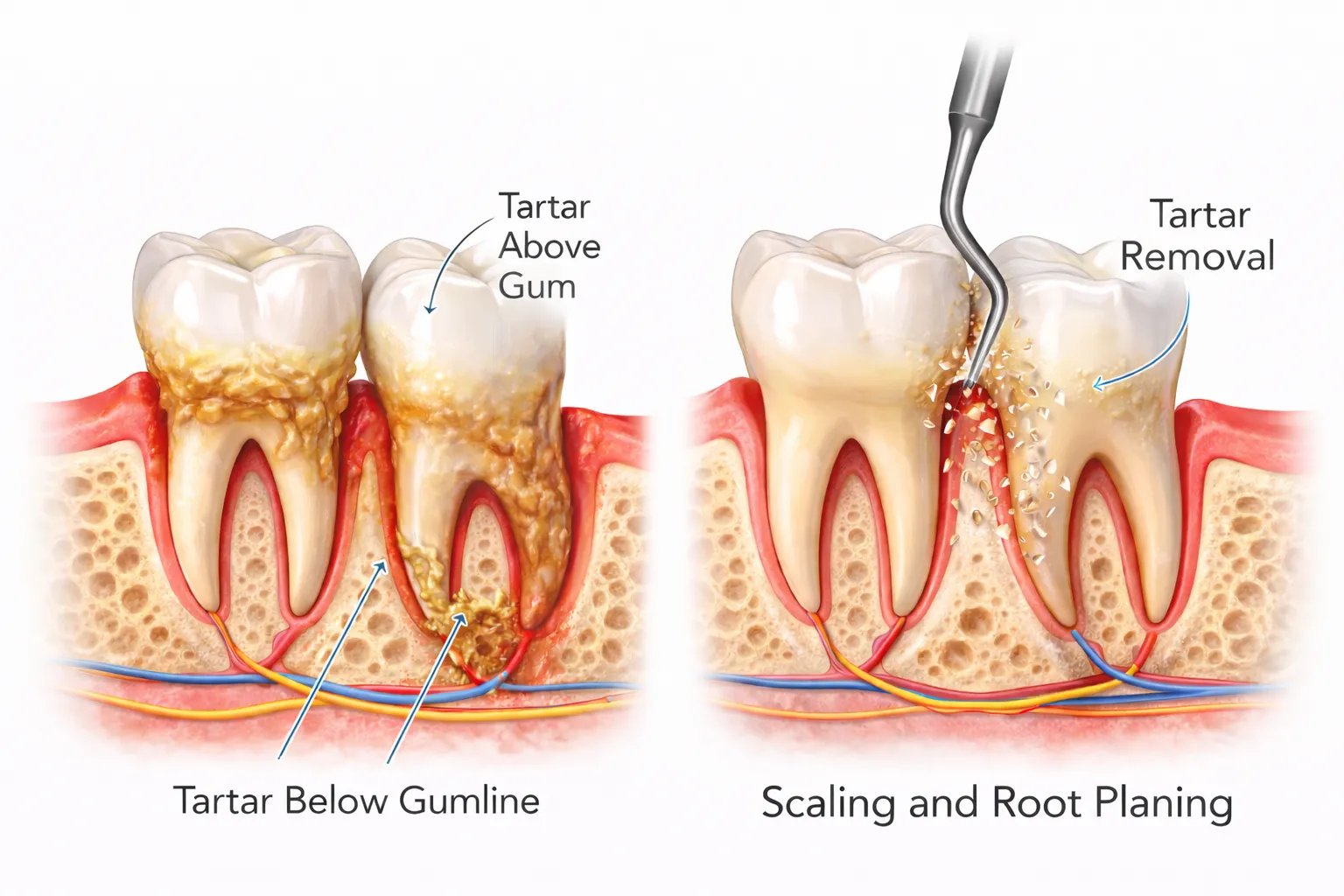
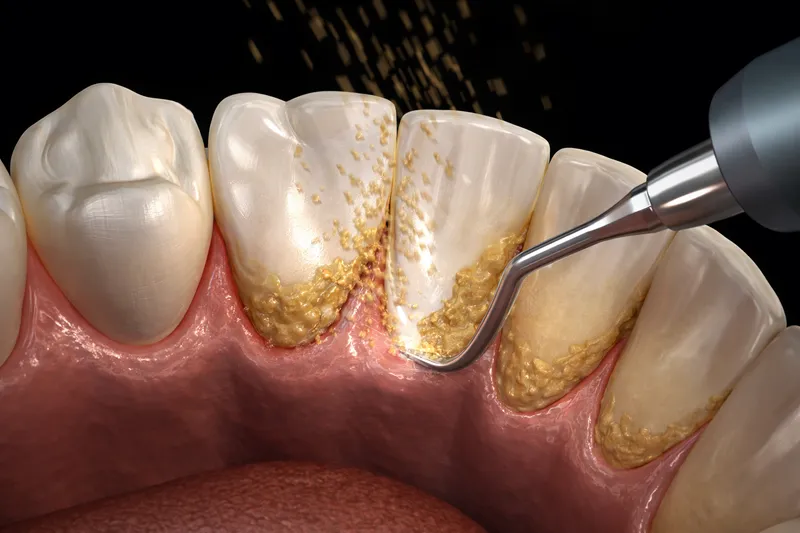
Scaling and root planing is the gold standard for treating early to moderate periodontal disease. During this procedure, we:
- Remove tartar and plaque from above and below the gum line (scaling)
- Smooth the root surfaces to help the gums reattach to the teeth (root planing)
LANAP Laser Therapy
We offer LANAP (Laser Assisted New Attachment Procedure), a minimally invasive laser treatment for periodontal disease. LANAP:
- Selectively targets and destroys bacteria without harming healthy tissue
- Promotes regeneration of bone and connective tissue
- Involves minimal bleeding, swelling, and discomfort
- Requires no cutting or sutures
Warning Signs of Gum Disease
- Red, swollen, or tender gums
- Gums that bleed when you brush or floss
- Persistent bad breath
- Receding gums (teeth appear longer)
- Loose or shifting teeth
- Changes in your bite
How Gum Disease Affects Your Overall Health
Research has established a strong connection between gum disease and systemic health conditions including:
- Heart disease — Bacteria from infected gums can enter the bloodstream and contribute to arterial inflammation
- Diabetes — Gum disease makes blood sugar harder to control, and diabetes makes gum disease harder to treat
- Respiratory infections — Inhaling oral bacteria can worsen lung conditions
- Pregnancy complications — Untreated periodontal disease has been linked to premature birth and low birth weight
Treating gum disease is not just about your teeth — it’s about your whole-body health.
What to Expect at a Periodontal Appointment
During your evaluation we will:
- Measure the depth of the pockets between your teeth and gums
- Take X-rays to evaluate bone levels
- Review your medical history and medications
- Develop a personalized treatment plan
For most patients with early-to-moderate gum disease, scaling and root planing over one to two appointments is highly effective. We will schedule a follow-up visit 4–6 weeks later to evaluate your response to treatment.
Maintaining Gum Health After Treatment
Periodontal maintenance visits (typically every 3–4 months) are essential after gum disease treatment. Regular maintenance:
- Prevents disease from progressing
- Allows us to monitor pocket depths and bone levels
- Removes tartar that builds up faster in susceptible patients
Good daily habits at home matter equally. Brush for two minutes twice a day, floss daily (or use a water flosser), and use an antimicrobial mouthwash if recommended by our team.
Frequently Asked Questions About Gum Disease
Is gum disease reversible? Gingivitis — the earliest stage — is fully reversible with professional cleaning and improved home care. More advanced periodontitis cannot be fully reversed, but it can be halted and managed effectively with consistent treatment and maintenance.
How do I know if I have gum disease? Common warning signs include bleeding gums when brushing, persistent bad breath, red or swollen gums, and teeth that feel loose or have shifted. However, gum disease can also be painless in its early stages — which is why regular cleanings and checkups are essential.
Can I get gum disease even if I brush every day? Yes. Brushing alone does not remove plaque and tartar from between teeth or below the gum line. Flossing daily and regular professional cleanings are both essential components of prevention.
Related Services
Treating gum disease may open the door to restoring your smile:
- Dental Implants — healthy gums are required before implant placement
- Dental Bridges & Crowns — may be needed after tooth loss from advanced gum disease
- Emergency Dental Care — for dental abscesses or acute gum infections
Don’t wait—gum disease is much easier to treat in its early stages. Contact us today to schedule a periodontal evaluation.
Ready for a healthier smile?
Schedule your appointment today. We work with most dental insurance plans and offer flexible payment options. New patients are always welcome!